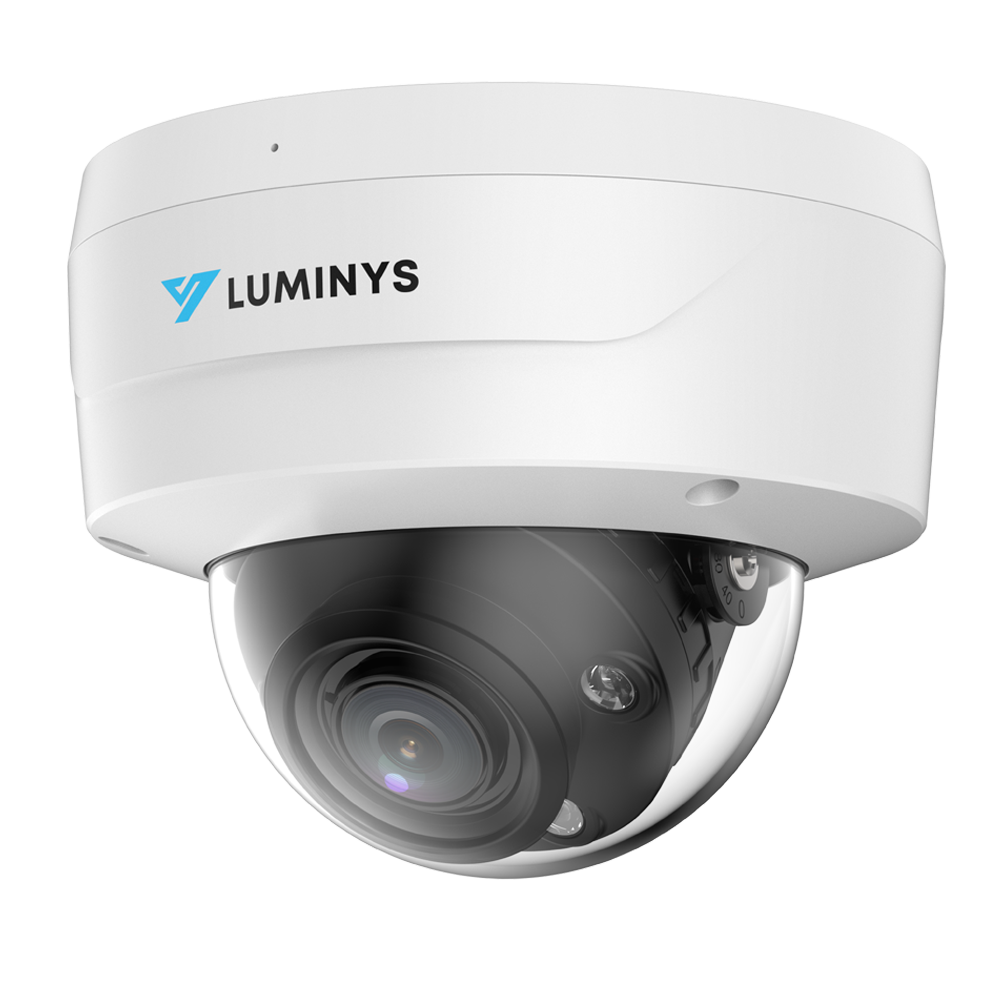
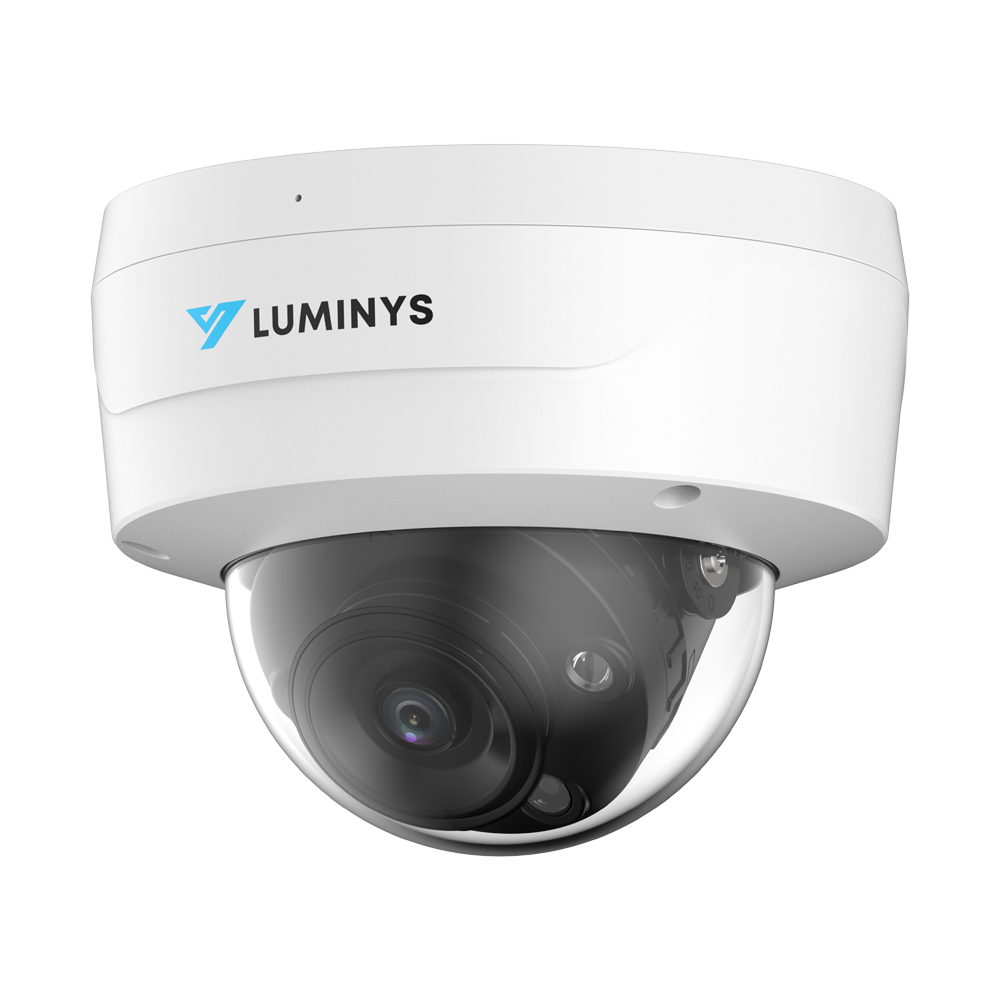
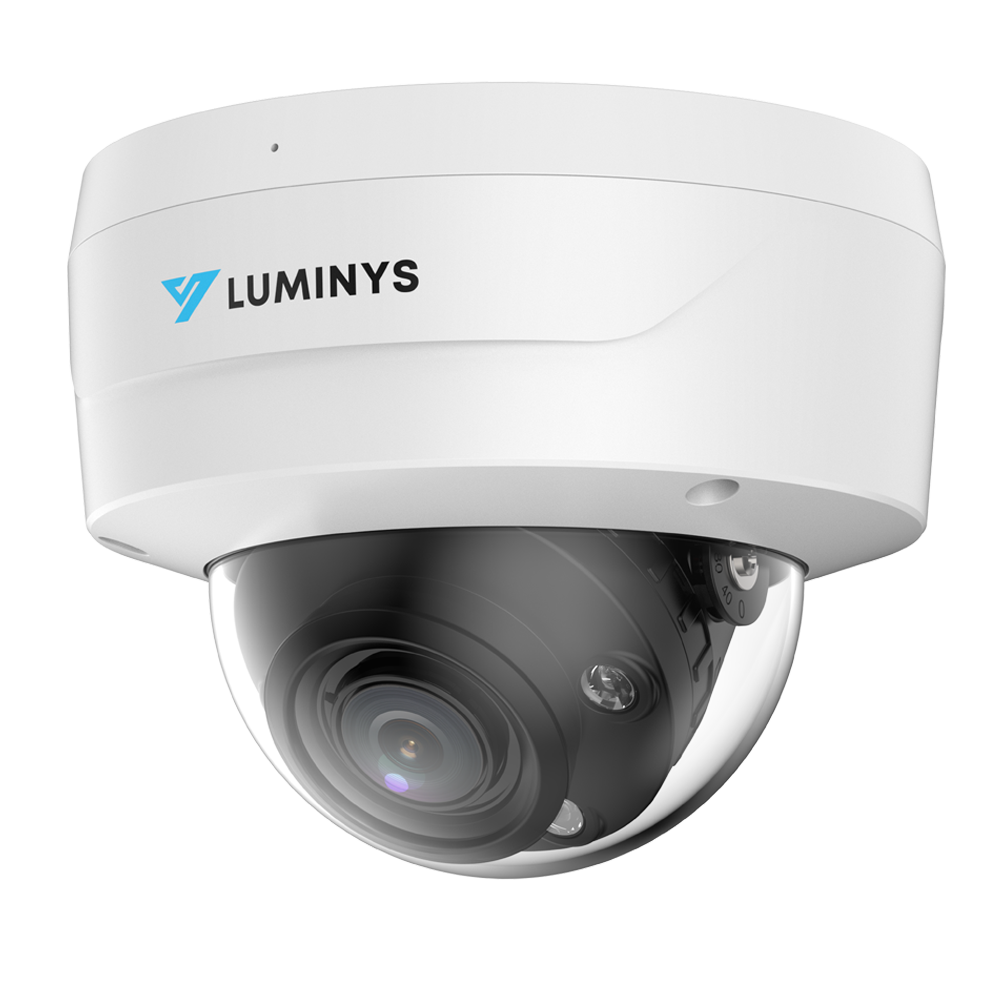
Shop commercial security cameras by business need
Commercial security cameras work best when each model is selected for a defined business purpose. Start with entrances, transaction points, inventory rooms, loading areas, parking lots, vehicle approaches, and other locations where usable recorded evidence matters. Then compare resolution, lens, housing, night imaging, analytics, environmental rating, and mounting options.
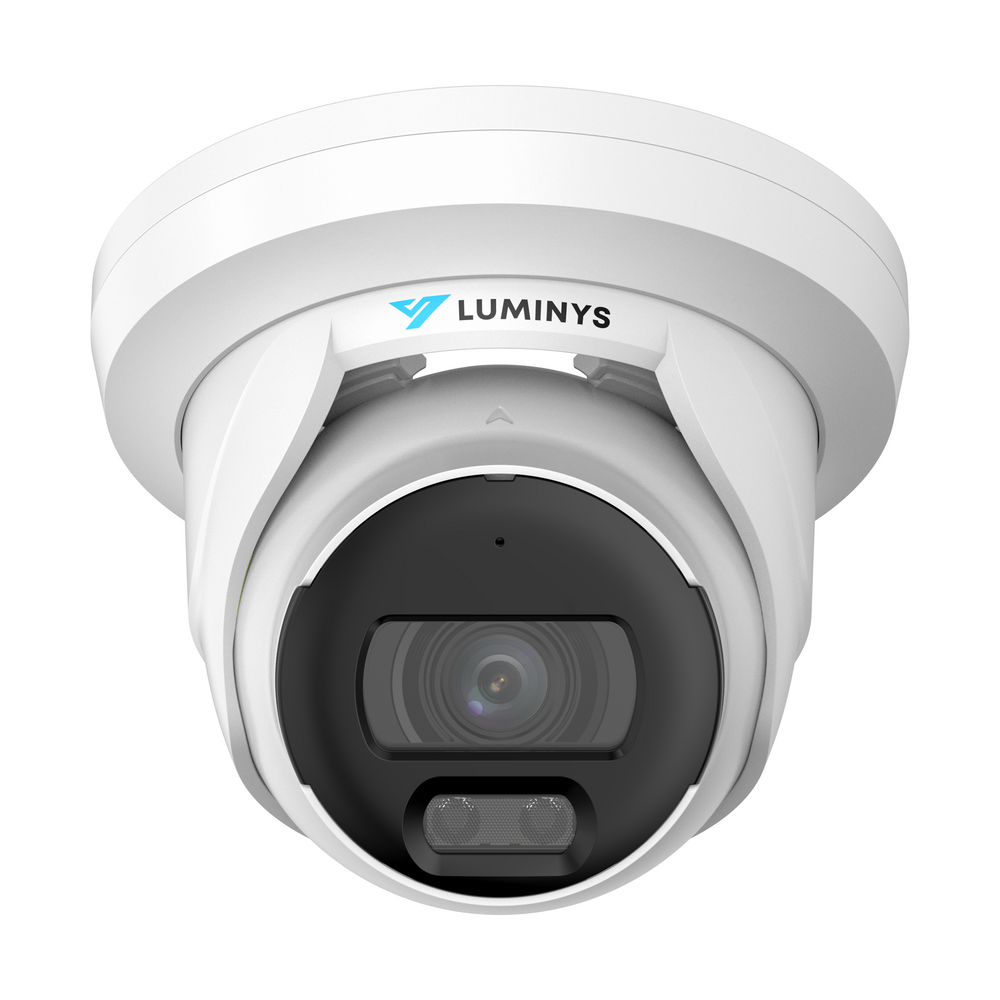
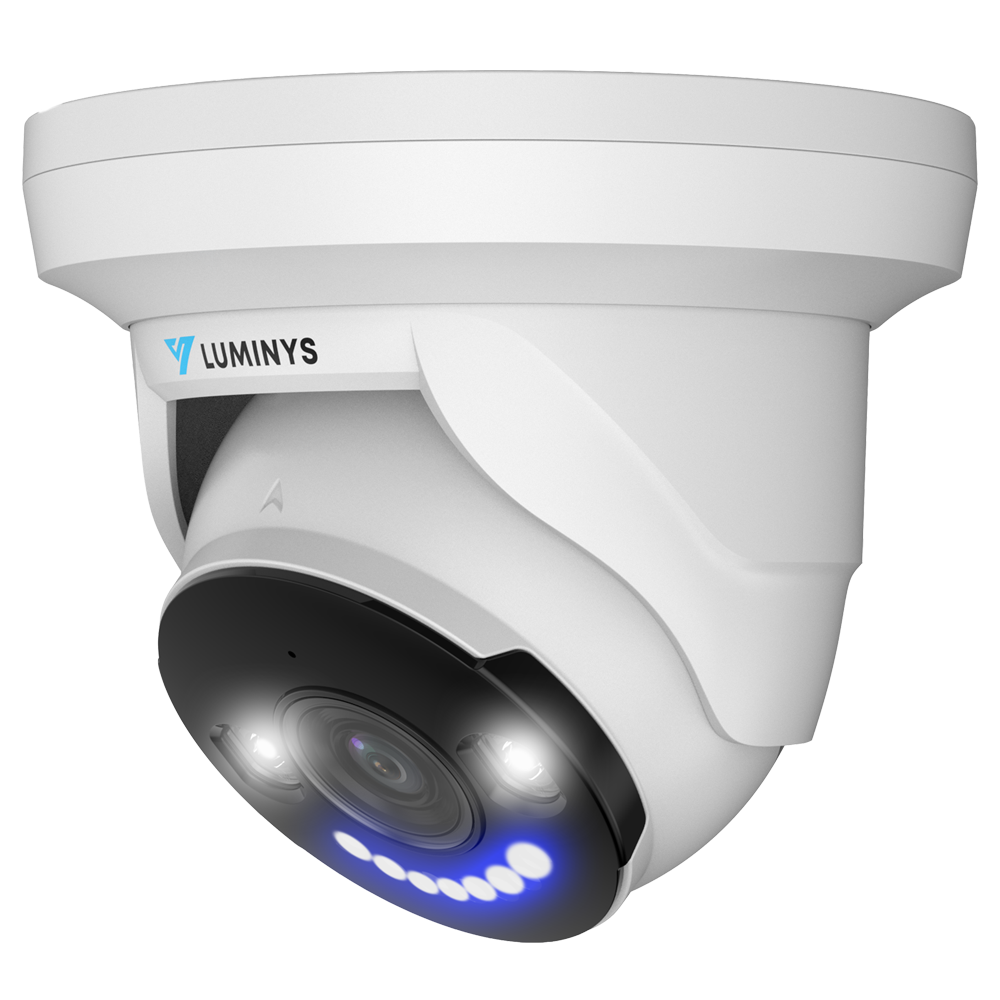
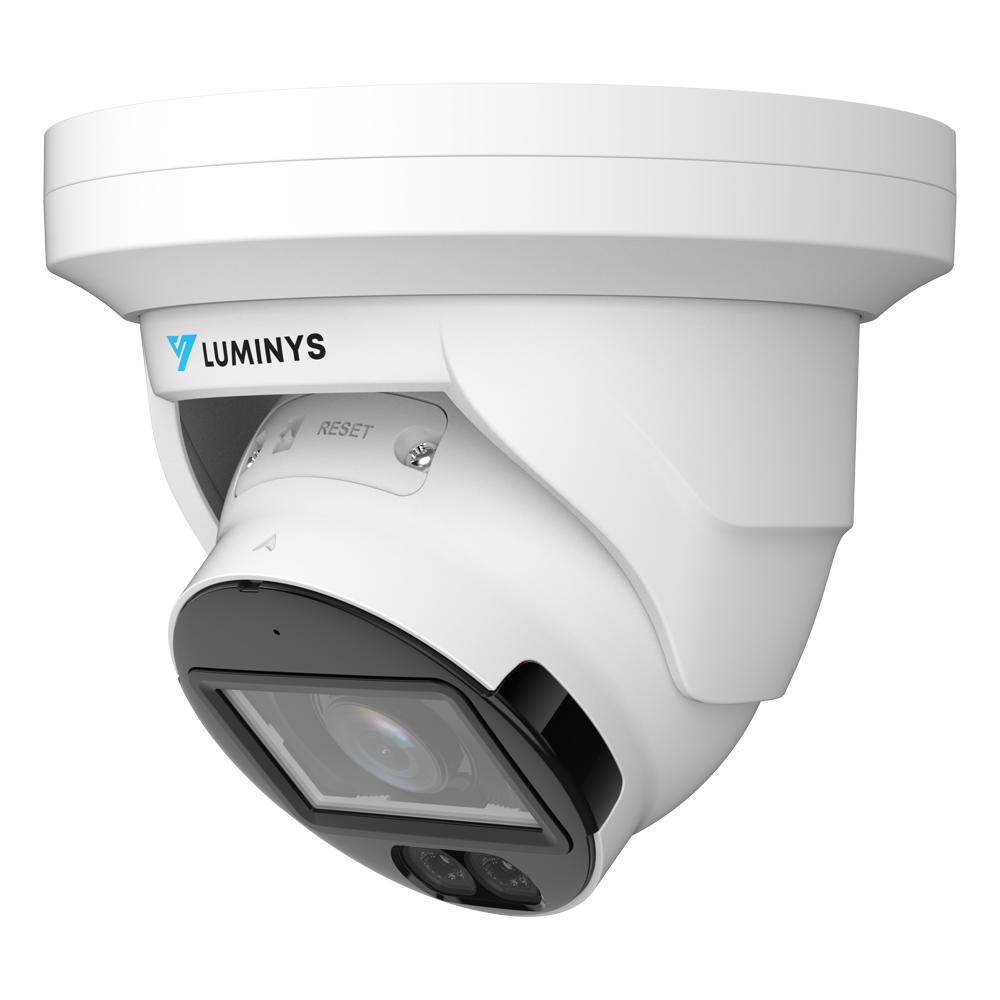
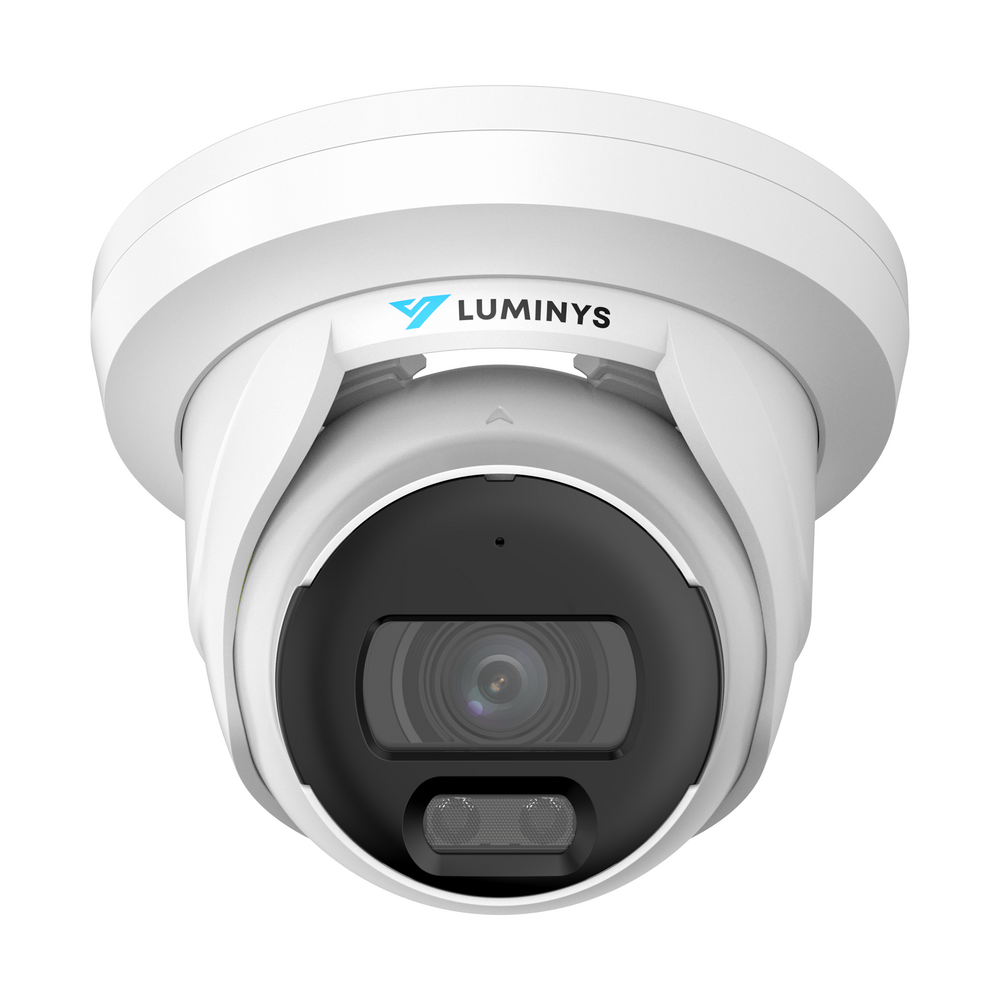
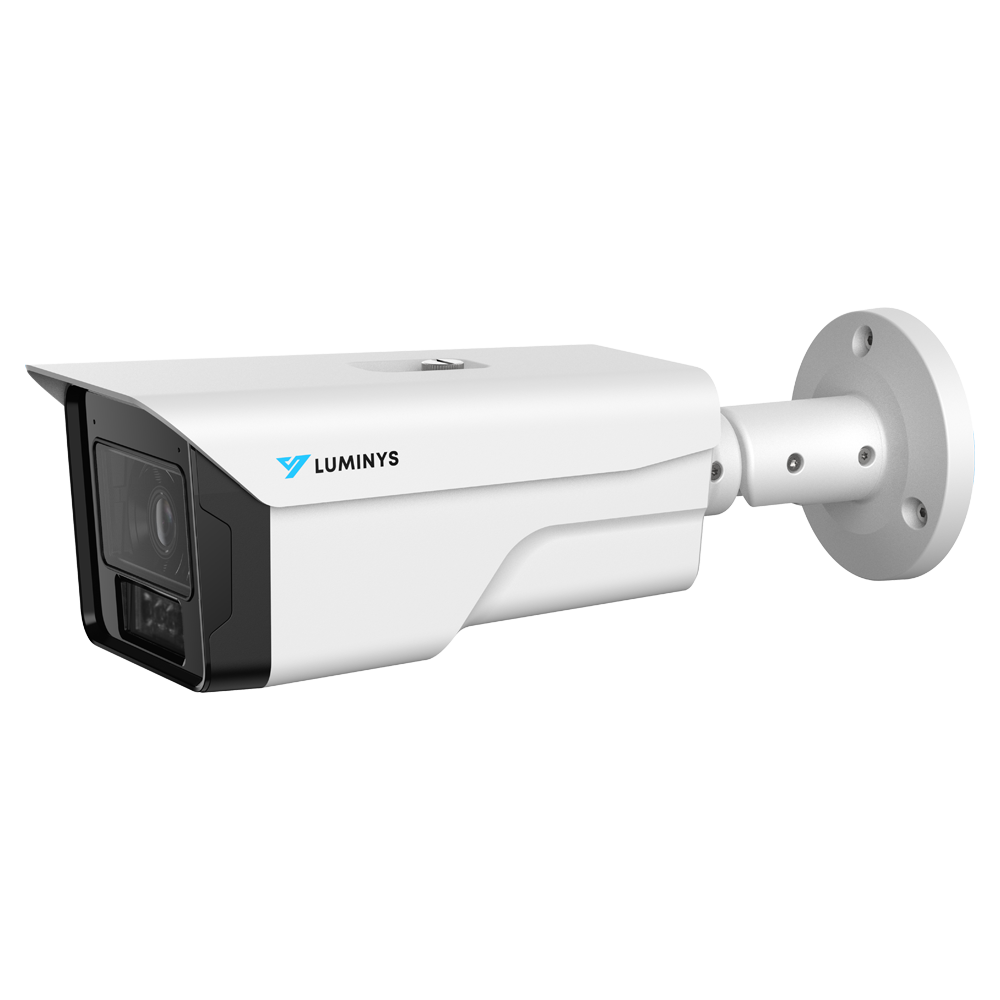
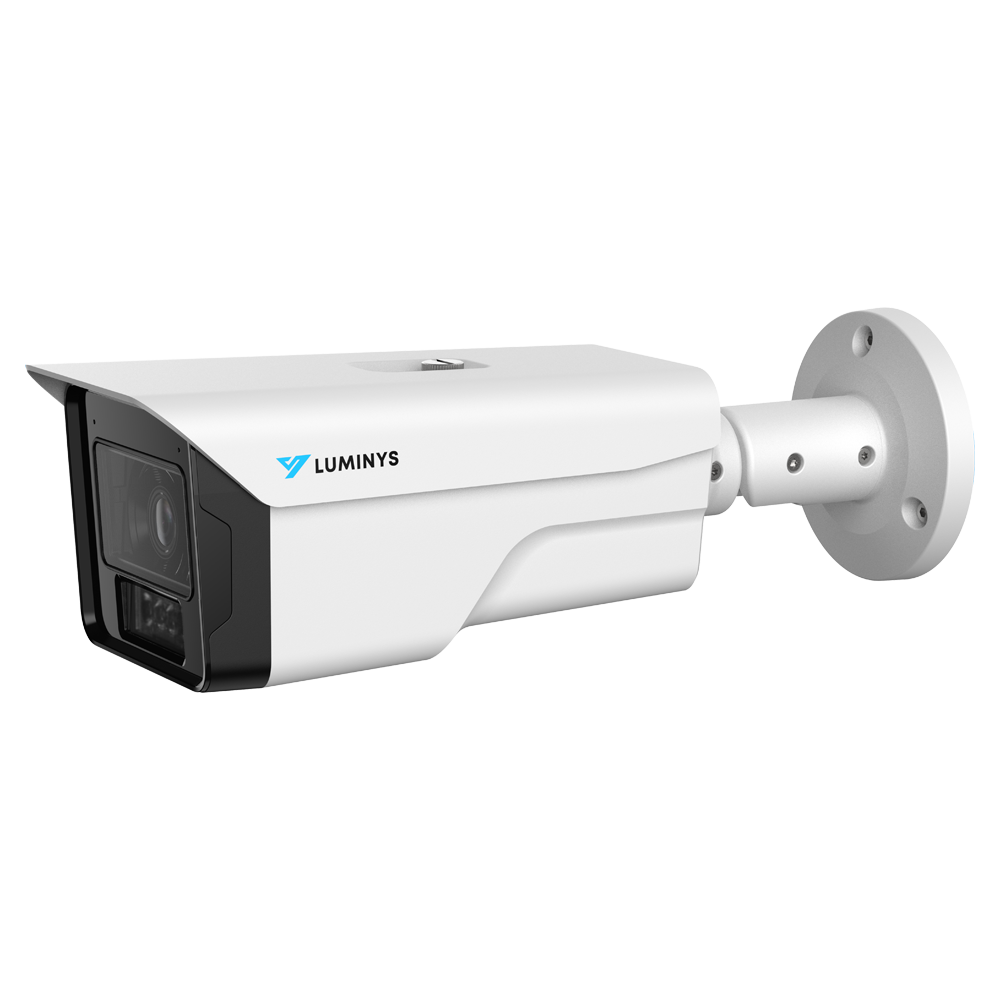
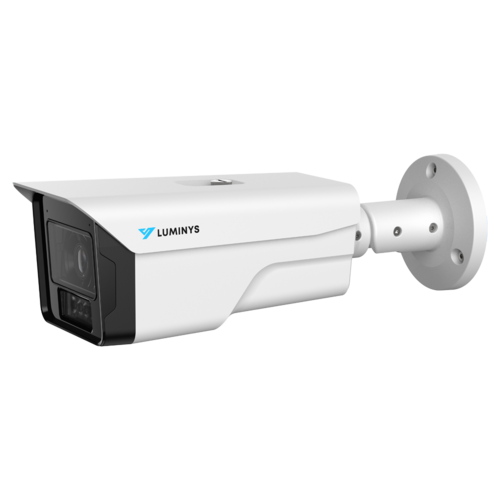
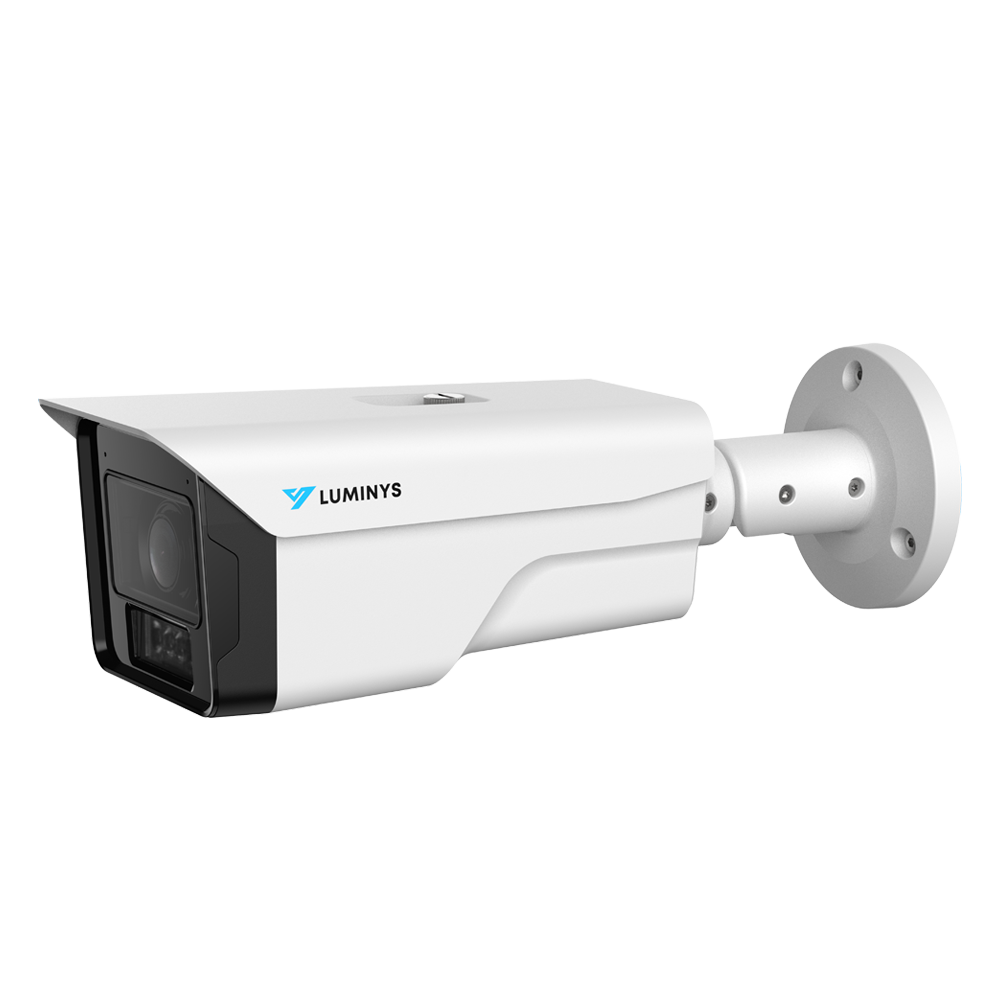
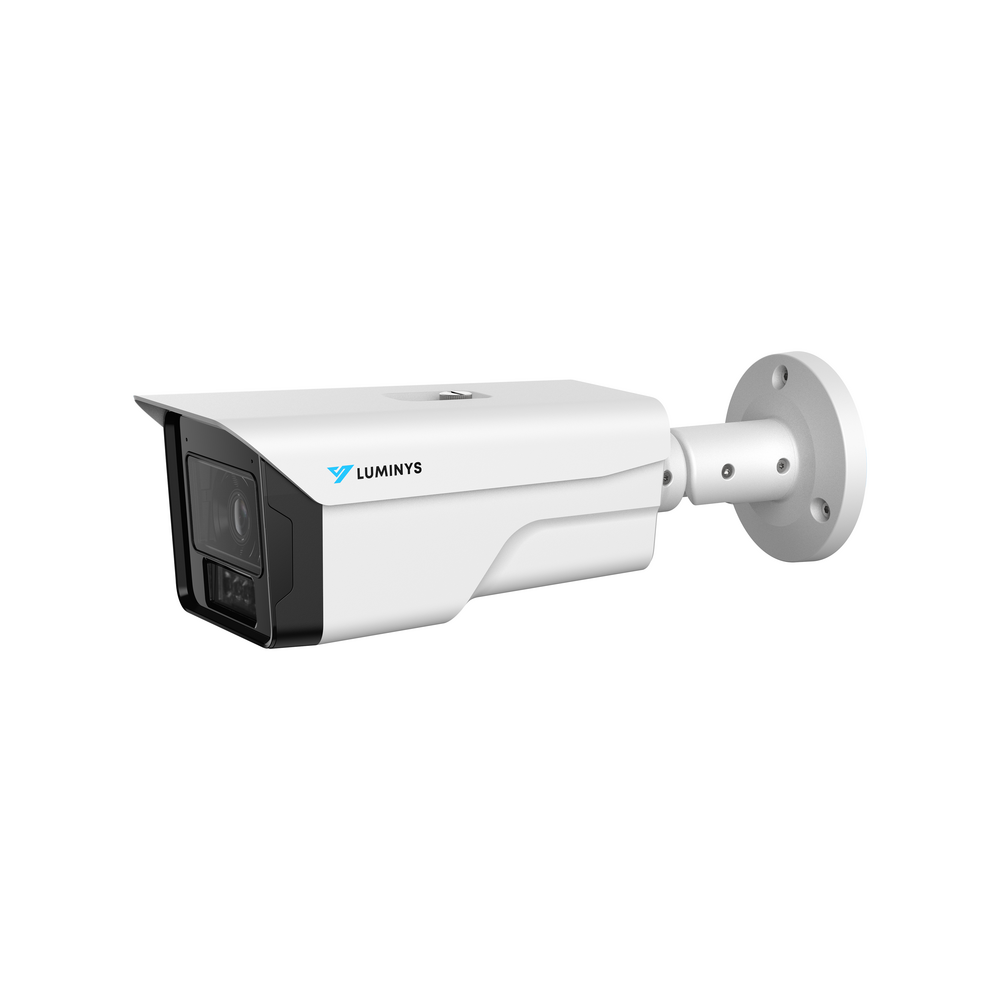
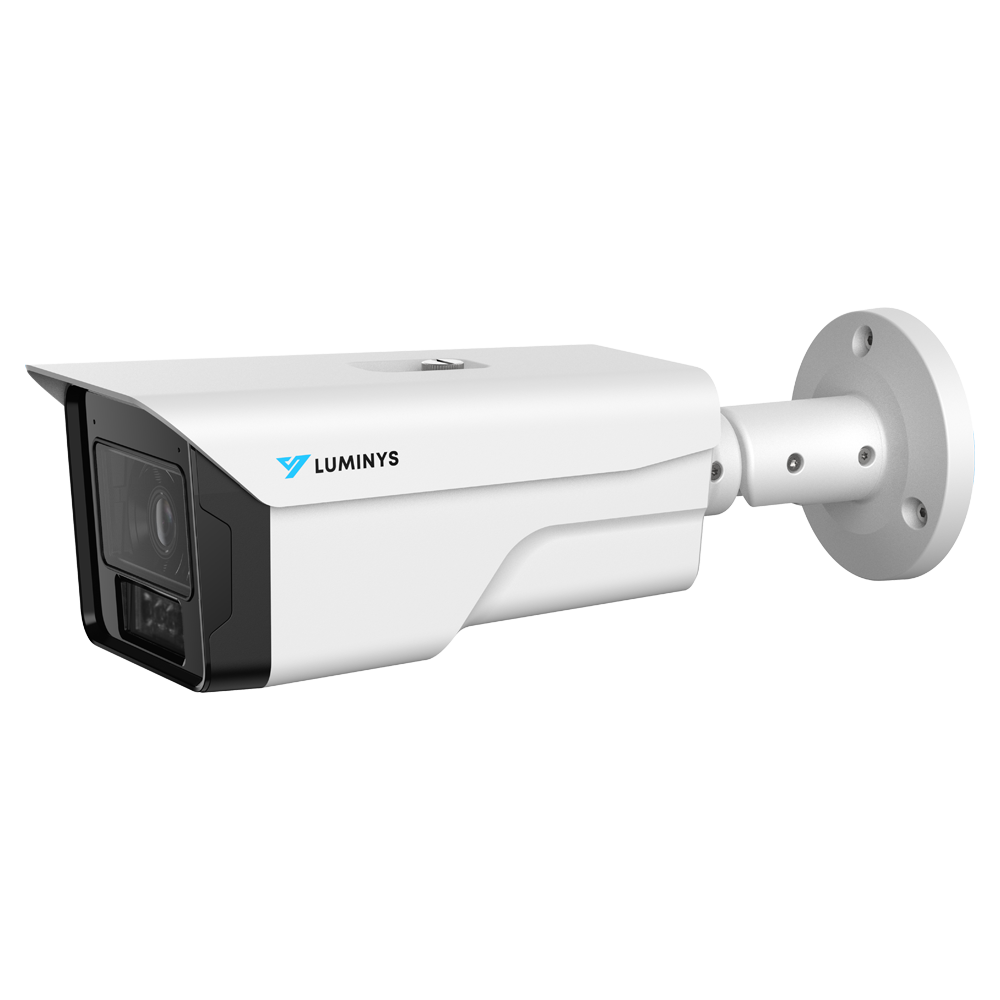
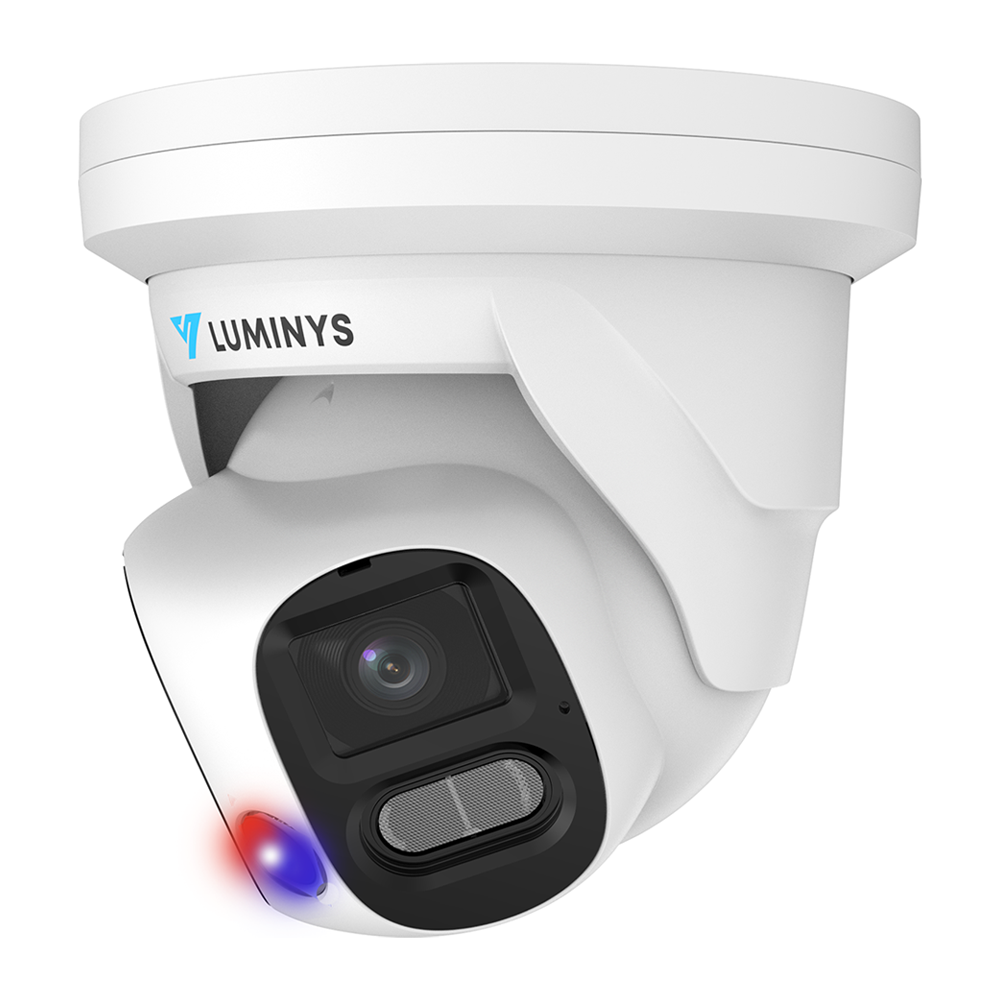
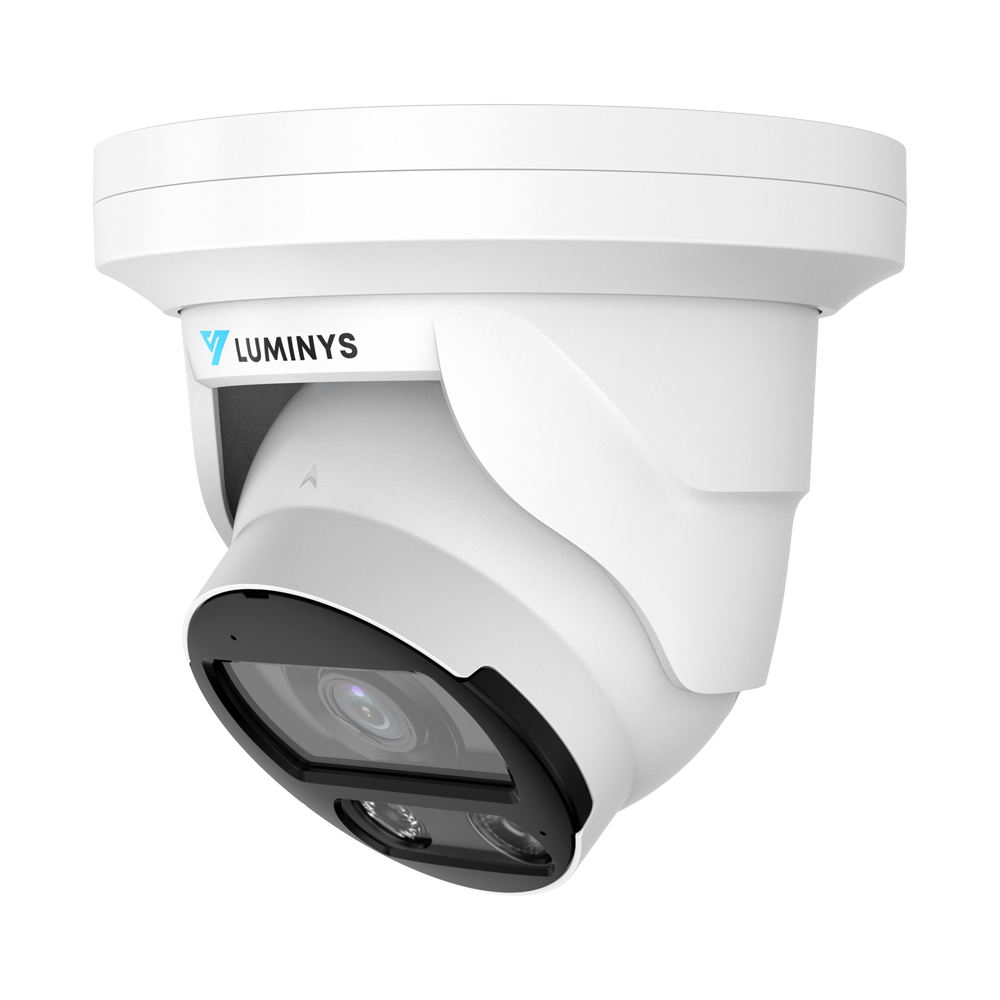
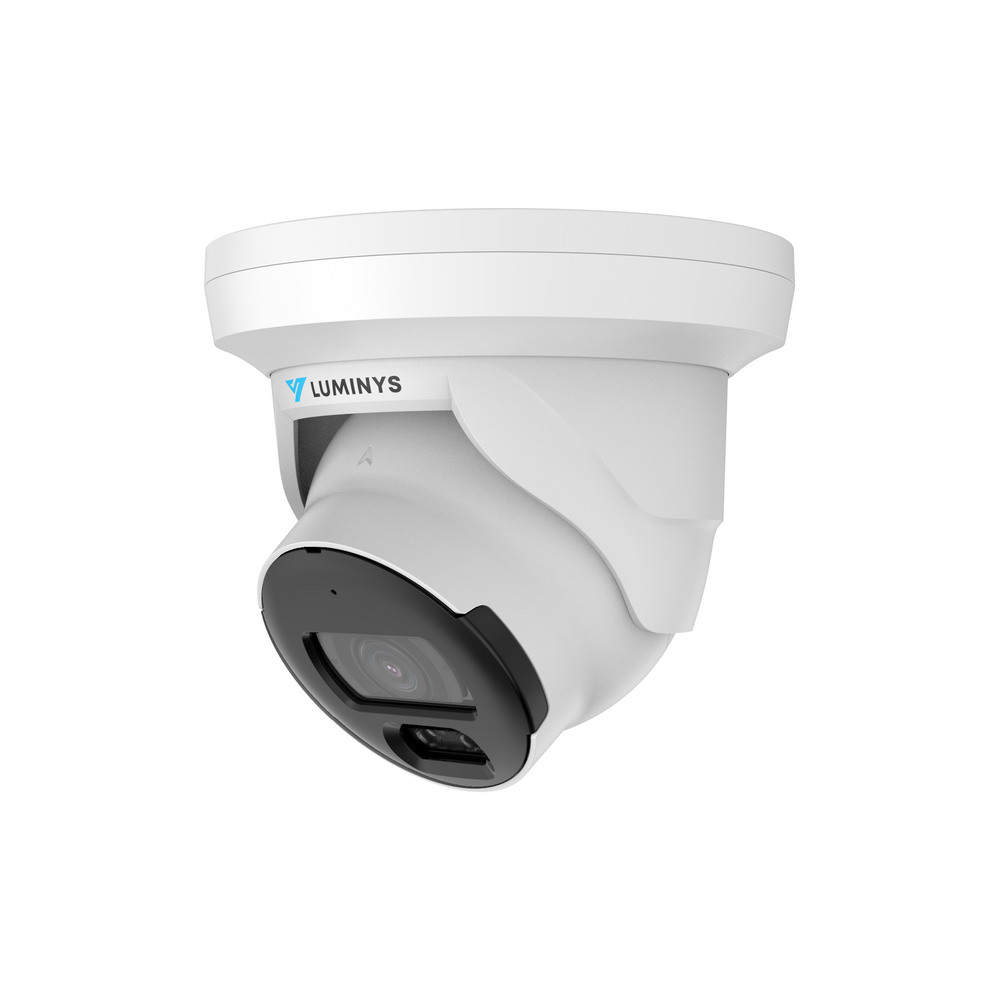
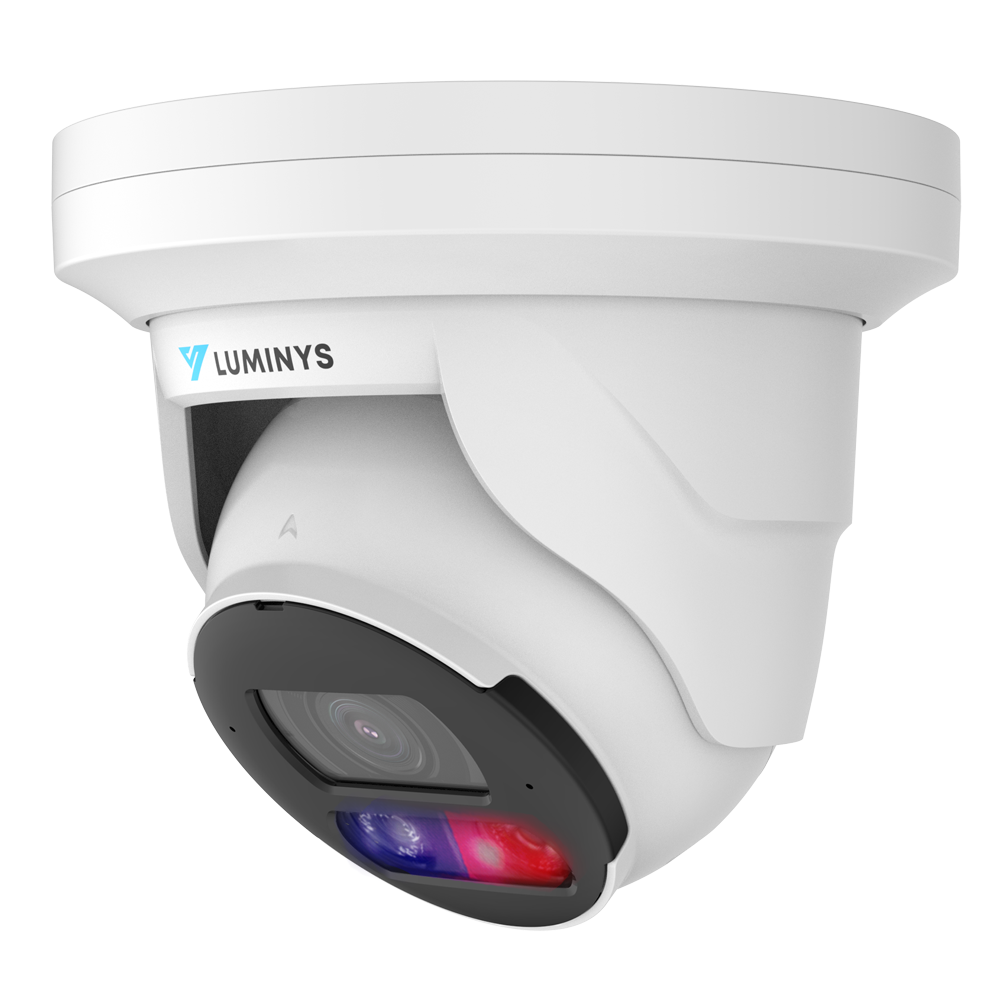
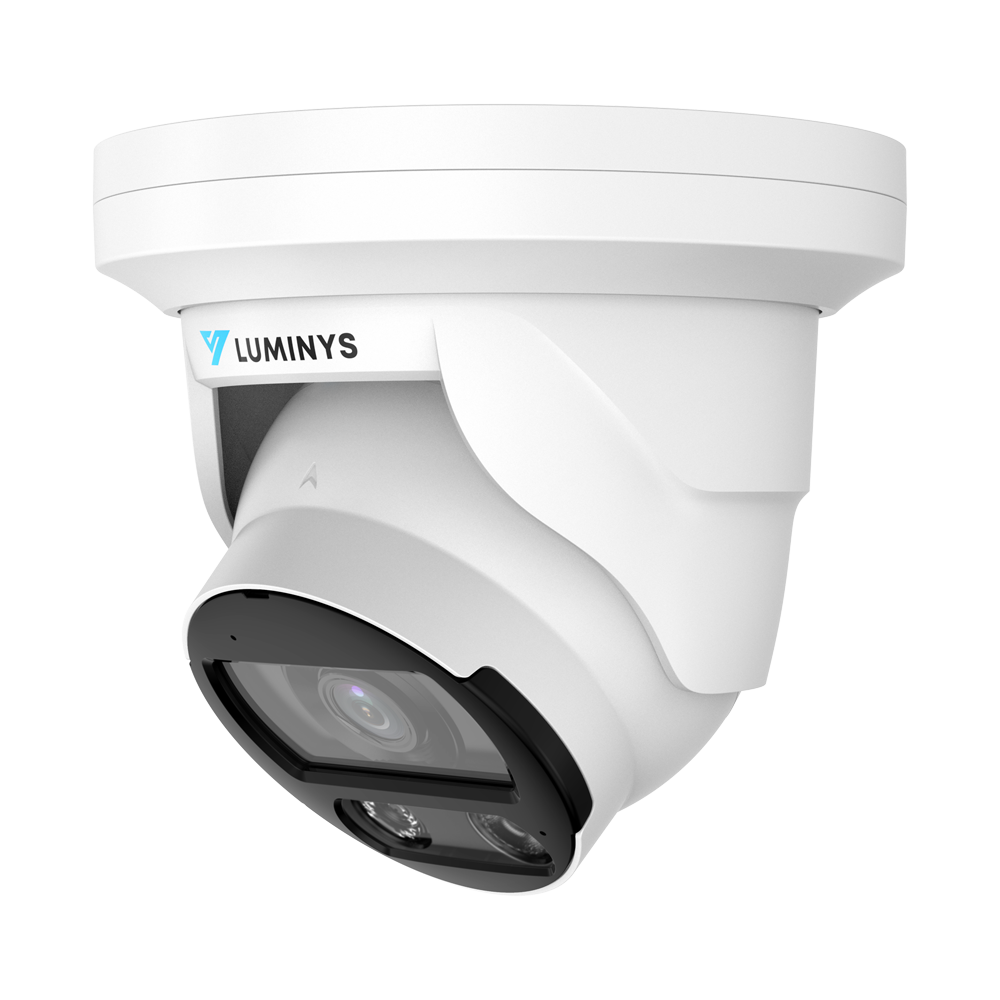
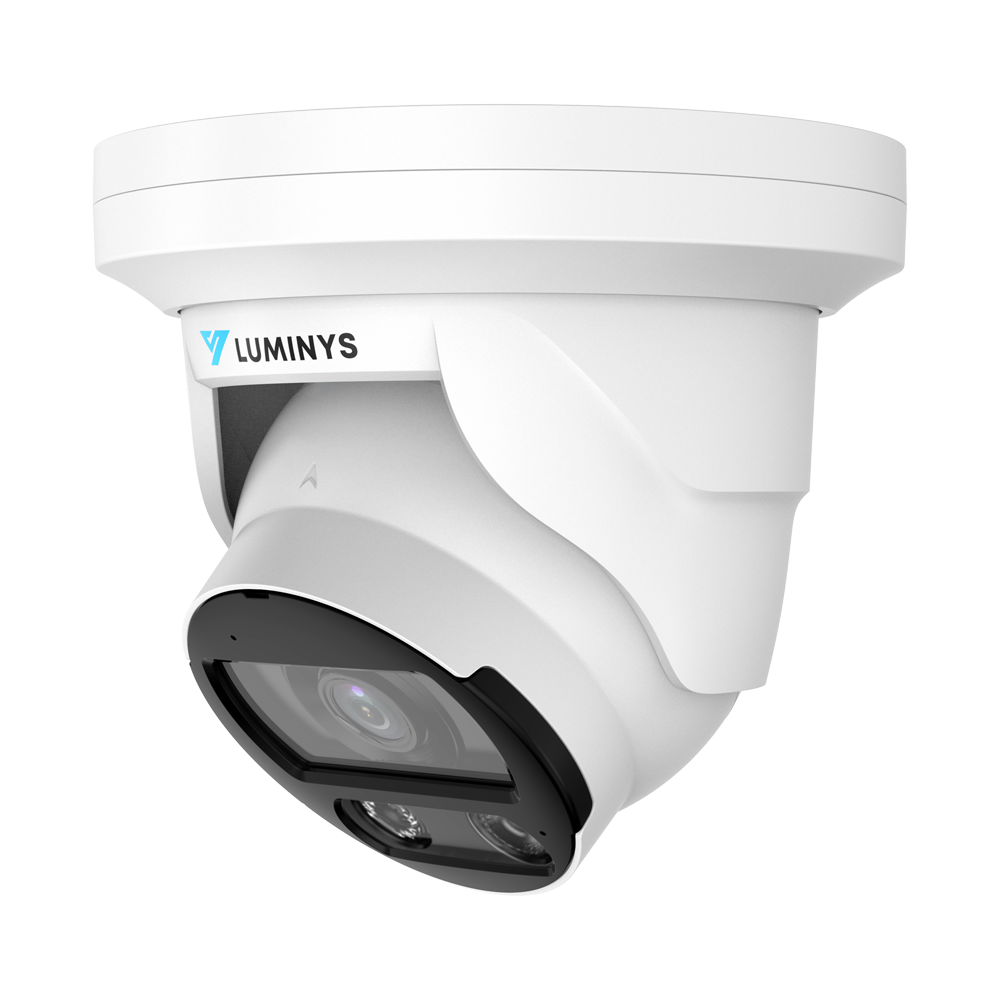
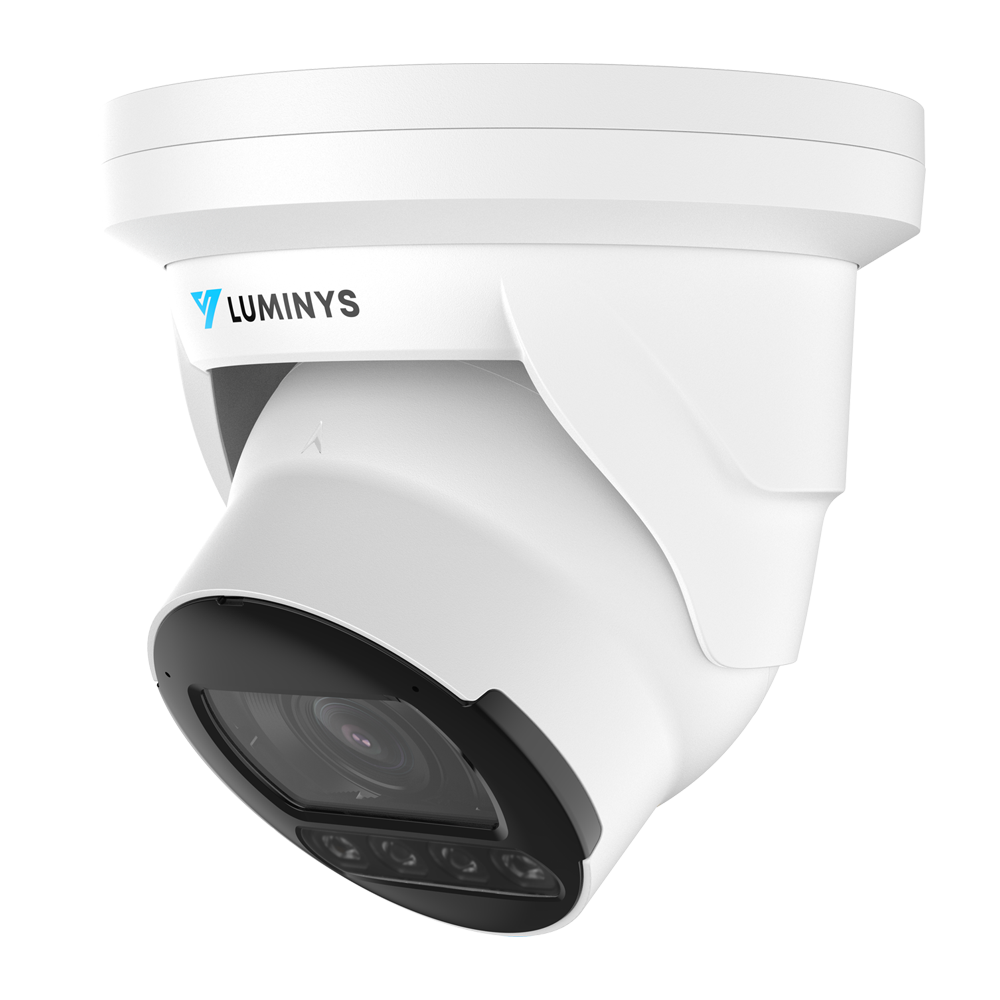
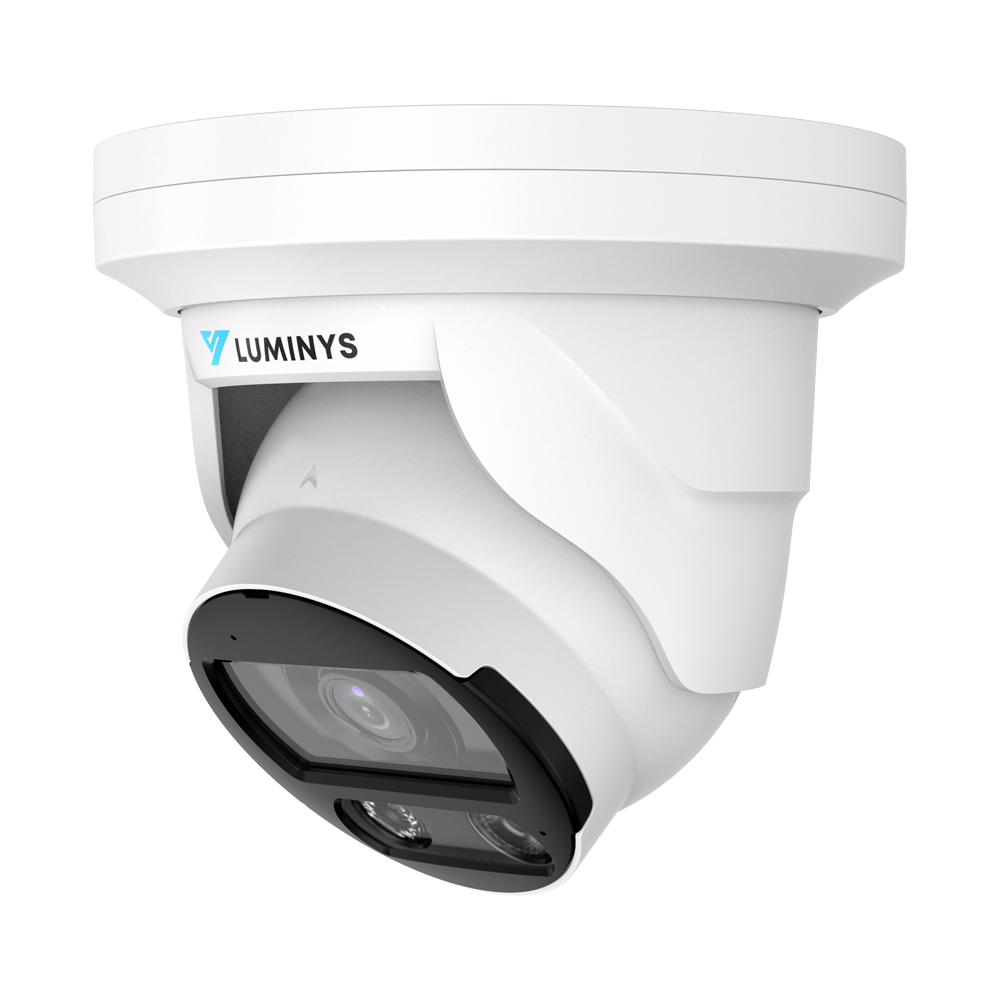
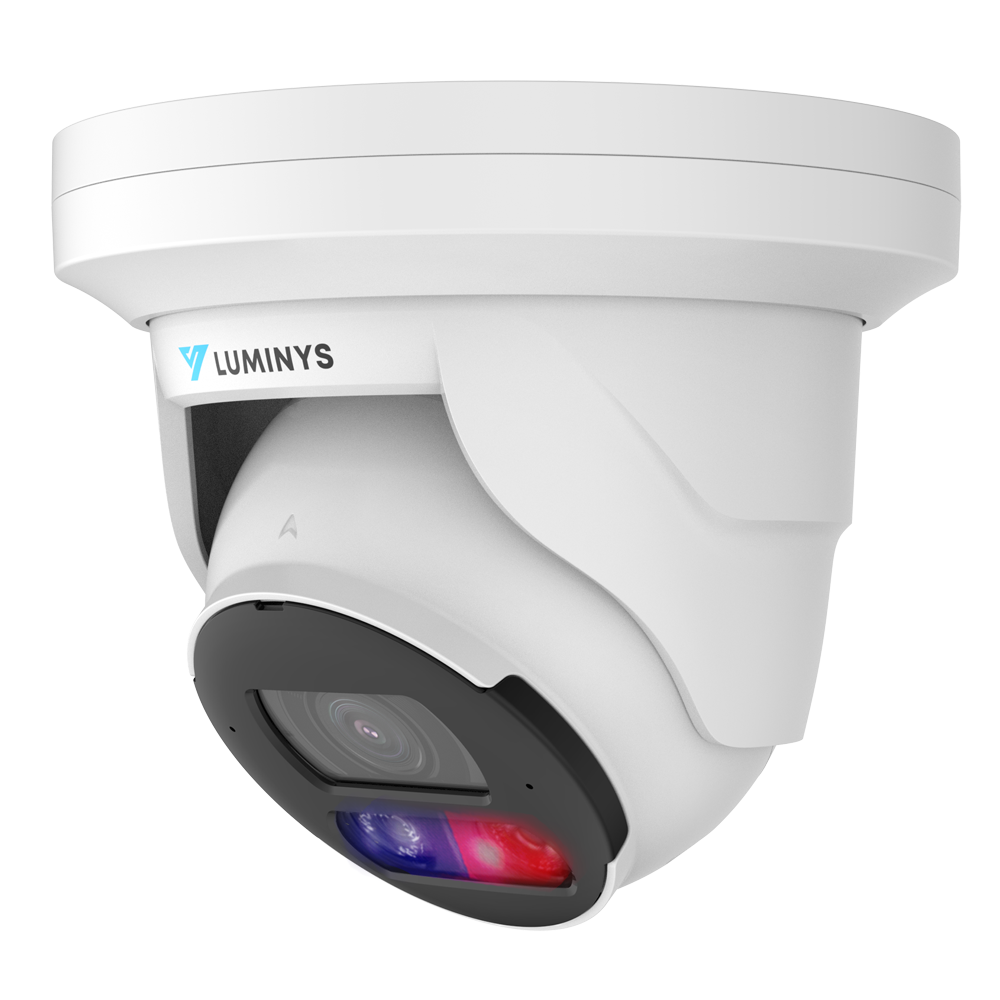
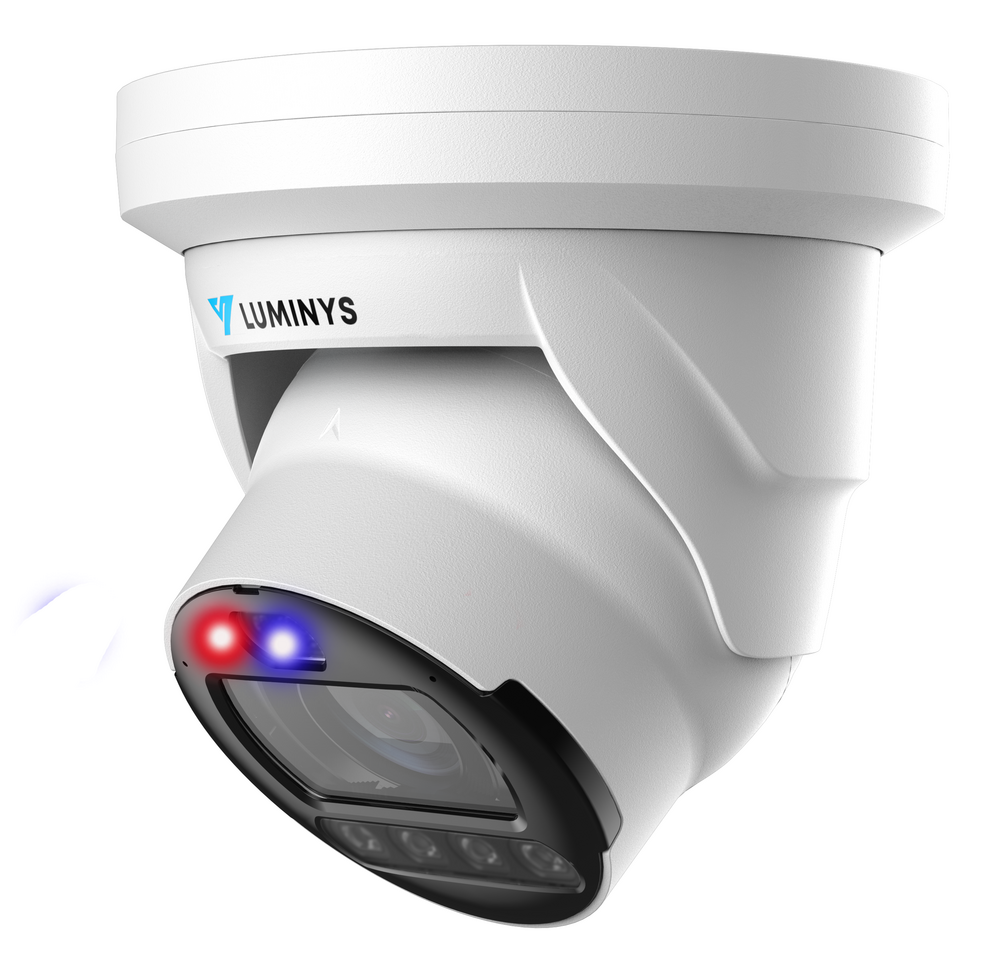
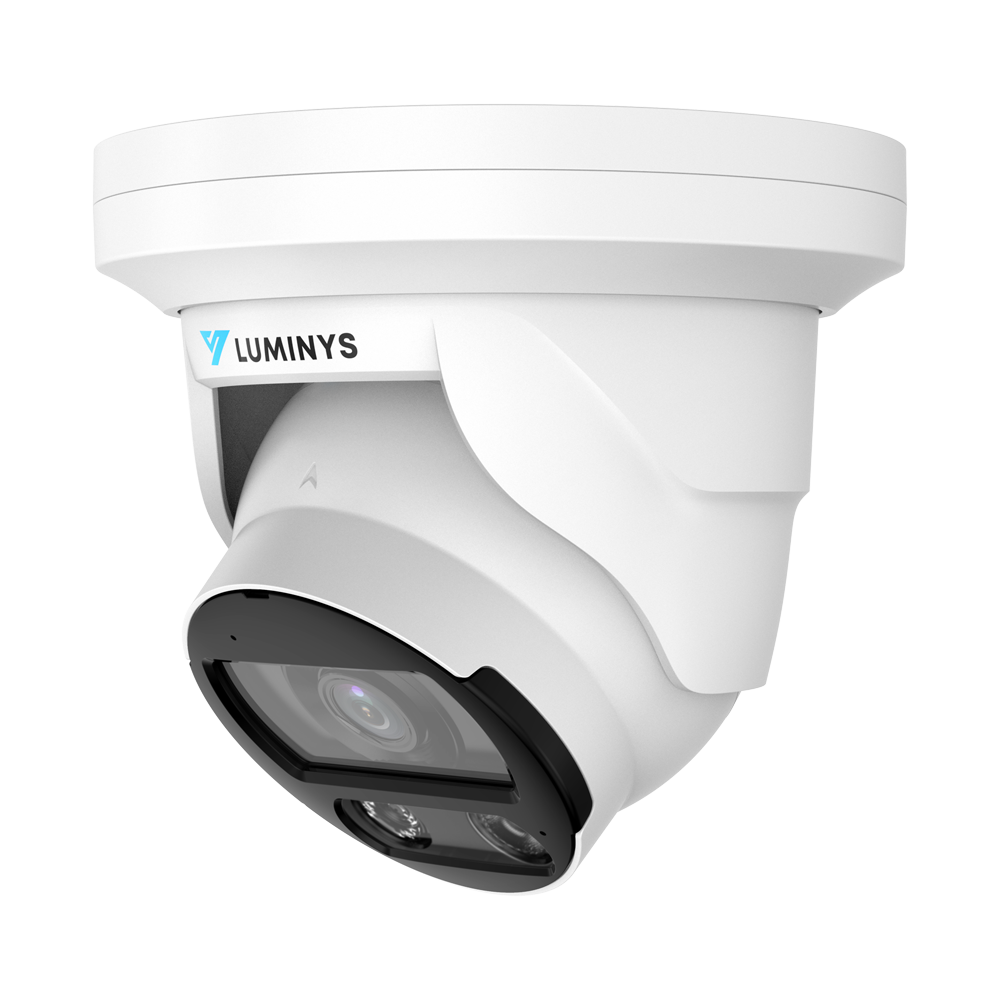
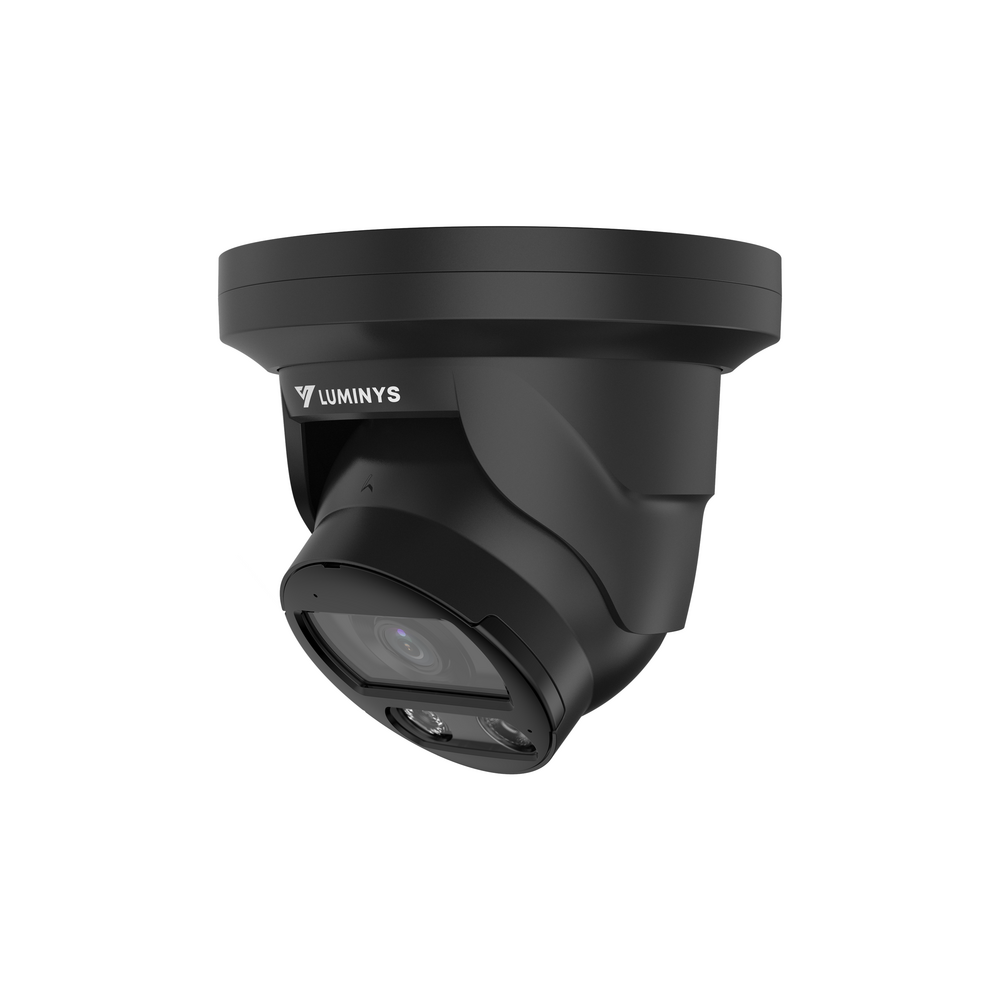
Elite Security Direct offers active Luminys IP cameras and NVRs individually or as part of a complete system plan. The matching products below link directly to current model pages with pricing, specifications, available PDF documentation, and compatible accessories.
- Retail and restaurant cameras for entrances, registers, customer areas, kitchens, and deliveries.
- Office and commercial-building cameras for lobbies, corridors, exits, parking, and restricted areas.
- Warehouse and industrial cameras for docks, inventory, yards, aisles, and vehicle movement.
- NDAA-documented options for projects that require current manufacturer compliance records.
Start with business risks and operating questions
A commercial security camera system should answer specific questions after an event: who entered, what happened at a transaction point, which vehicle used an access road, when inventory moved, and whether a safety or operating procedure was followed. Those questions become the camera schedule.
Retail stores, restaurants, warehouses, offices, churches, apartment properties, construction sites, and vehicle lots need different combinations of overview, identification, transaction, loading, perimeter, and parking views. The industry guides provide focused starting points without pretending that every property has the same layout.
Design separate overview and identification views
Wide cameras provide context, but a person or vehicle may occupy too few pixels for useful identification. Critical entrances, counters, gates, docks, and lanes often need a tighter purpose-selected view in addition to the general overview.
- Entrances and exits: place faces in a predictable part of the image.
- Transactions and inventory: preserve the action and the people involved.
- Loading areas and yards: combine dock detail with movement context.
- Parking and vehicle approaches: define whether the goal is overview, vehicle description, or plate capture.
Select commercial cameras by environment
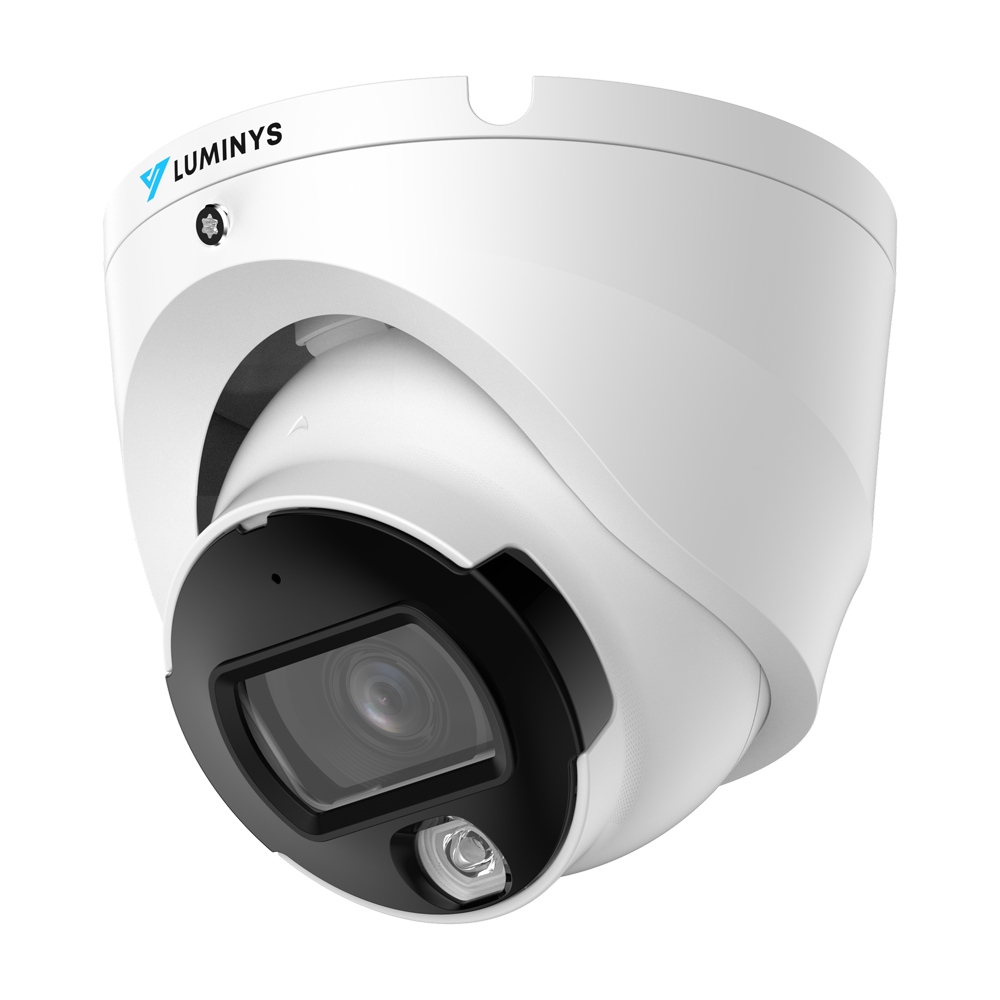
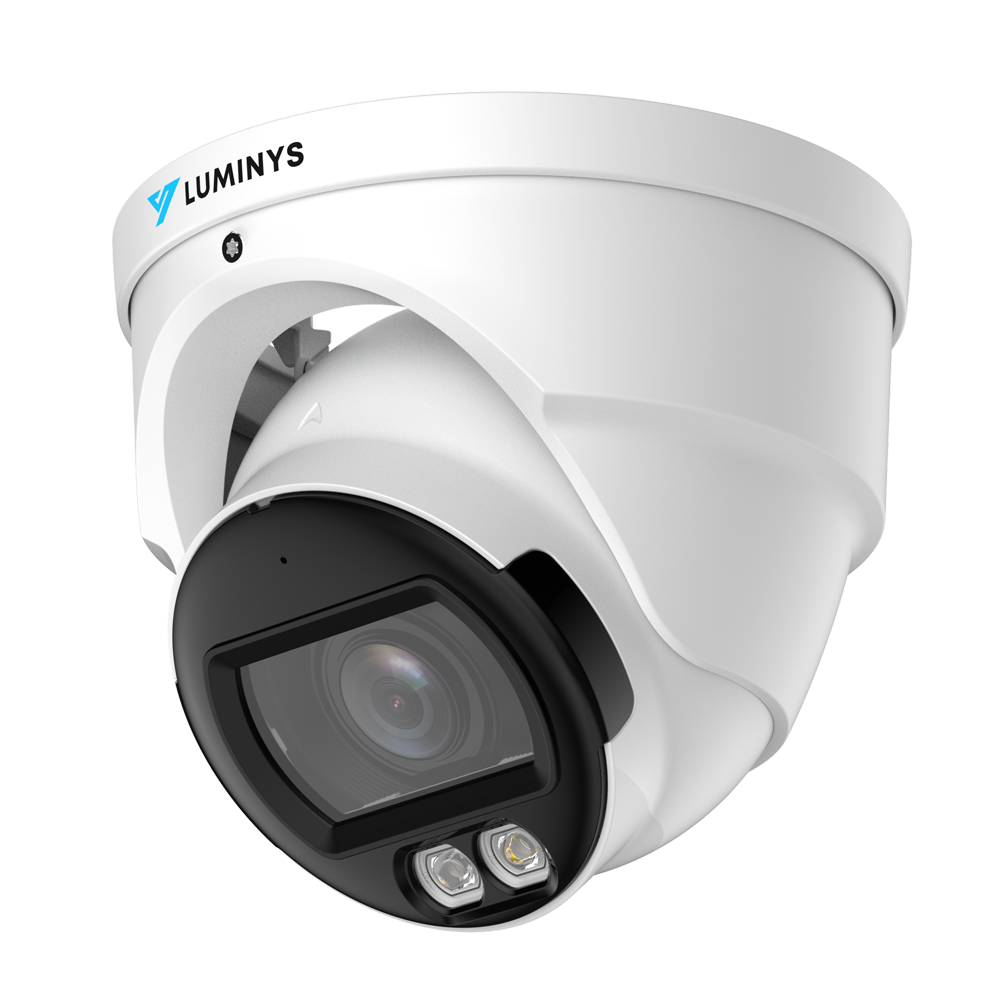
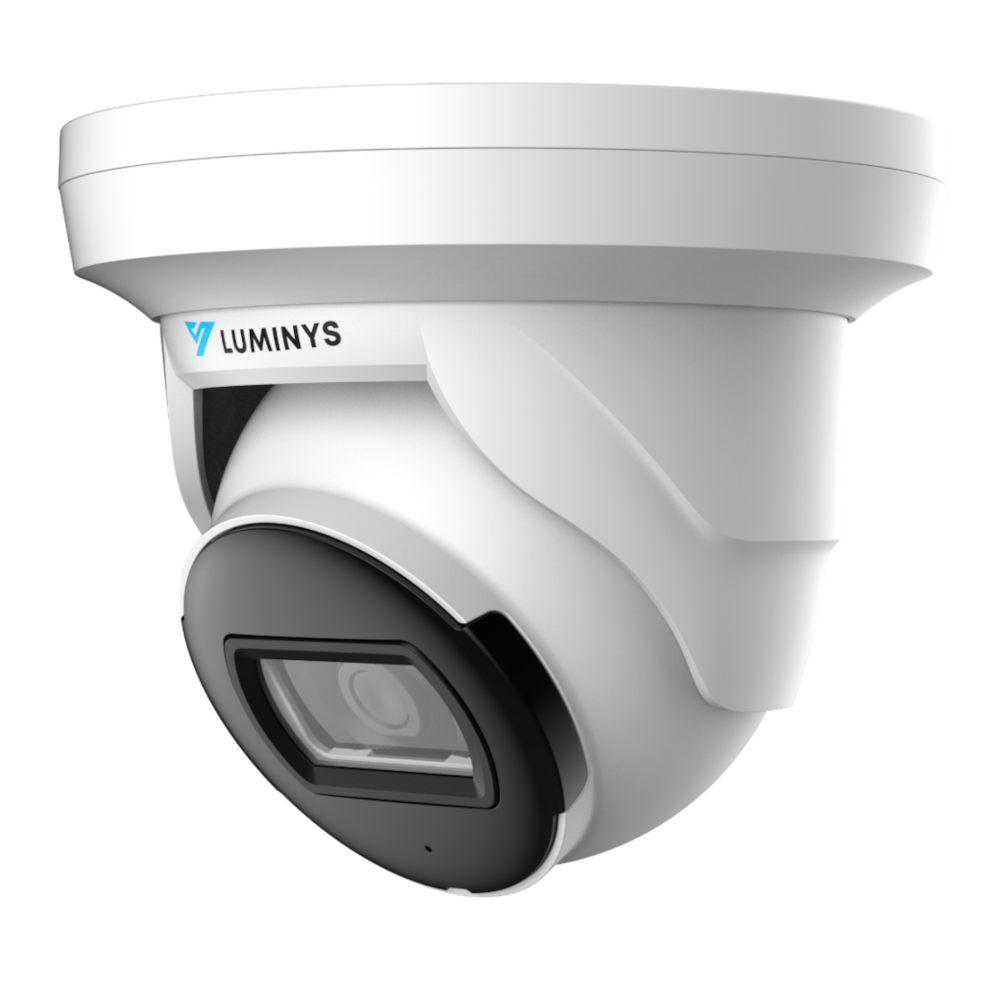
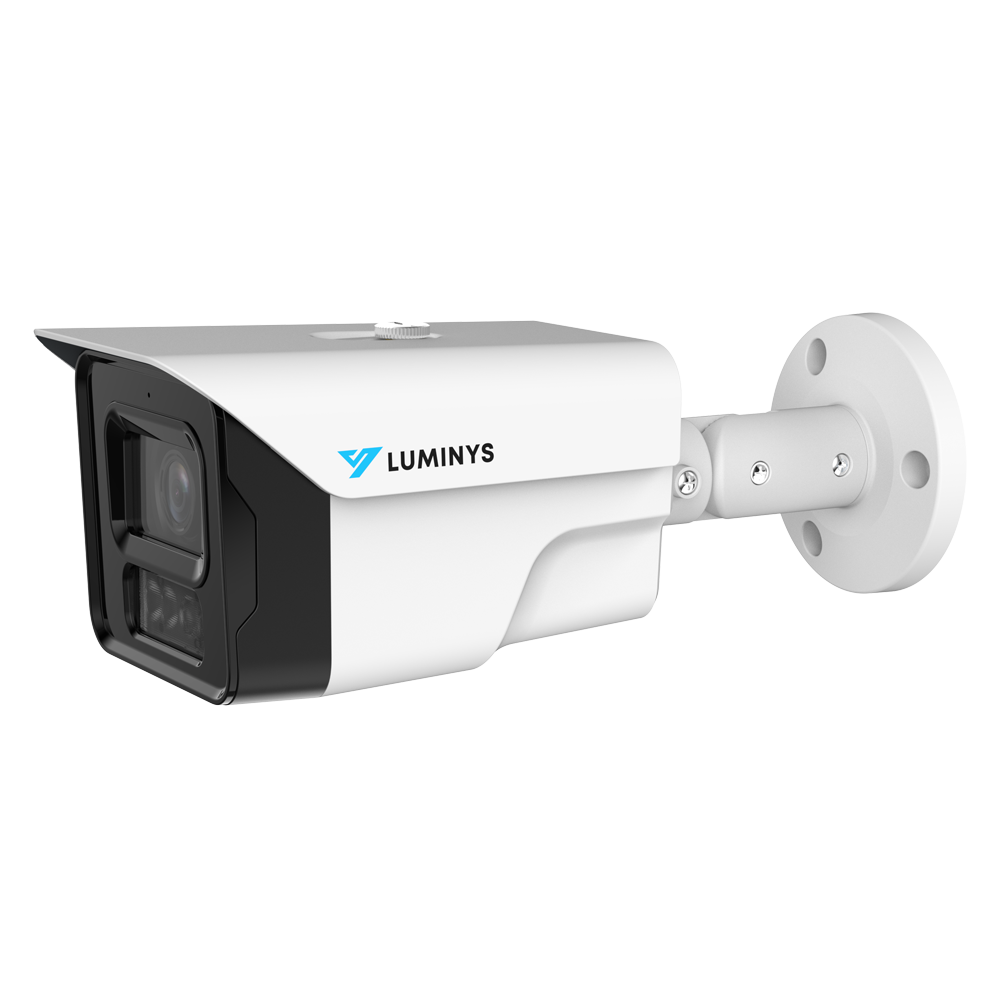
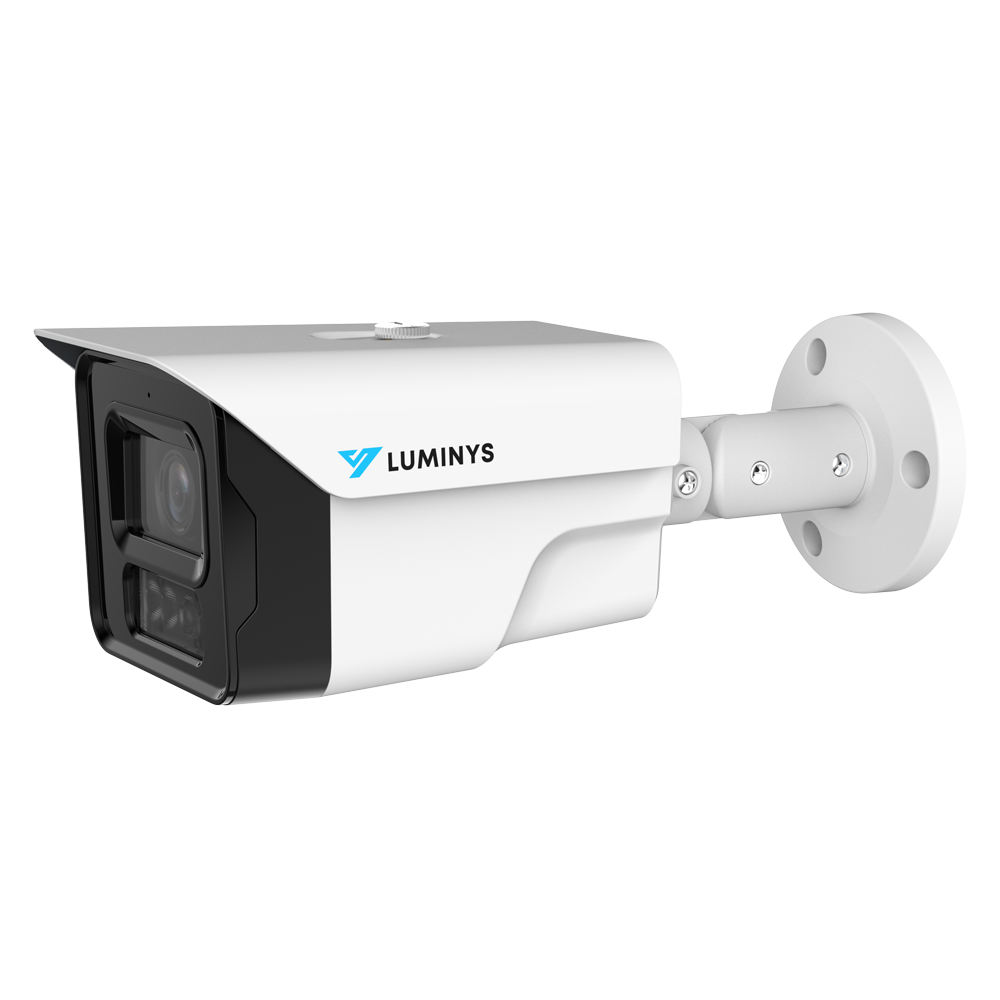
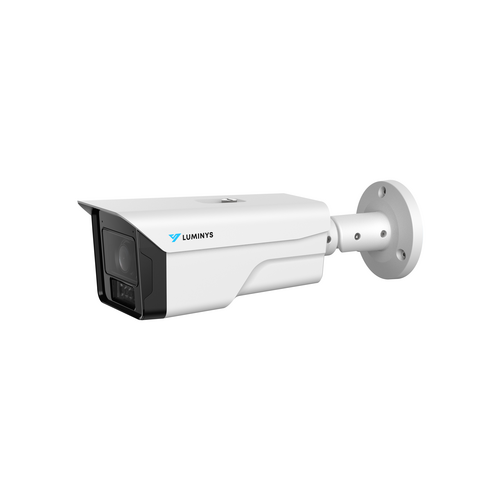
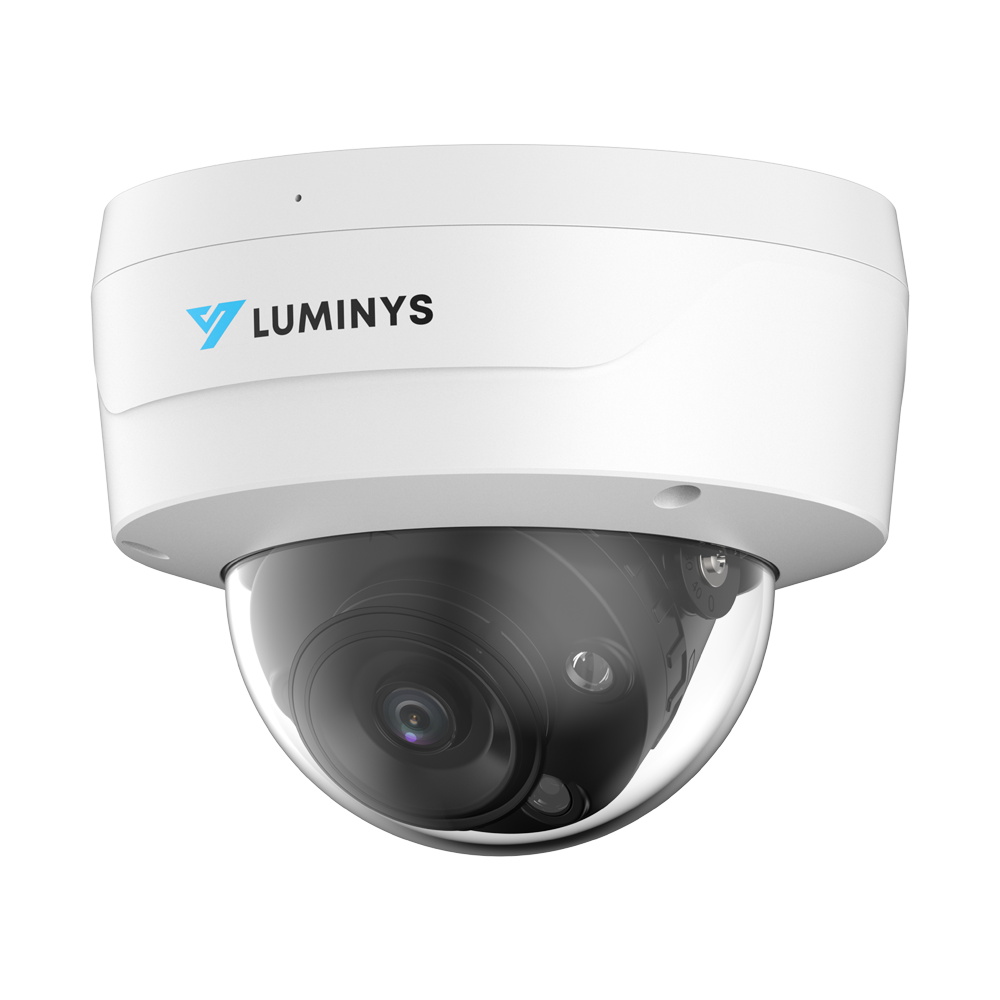
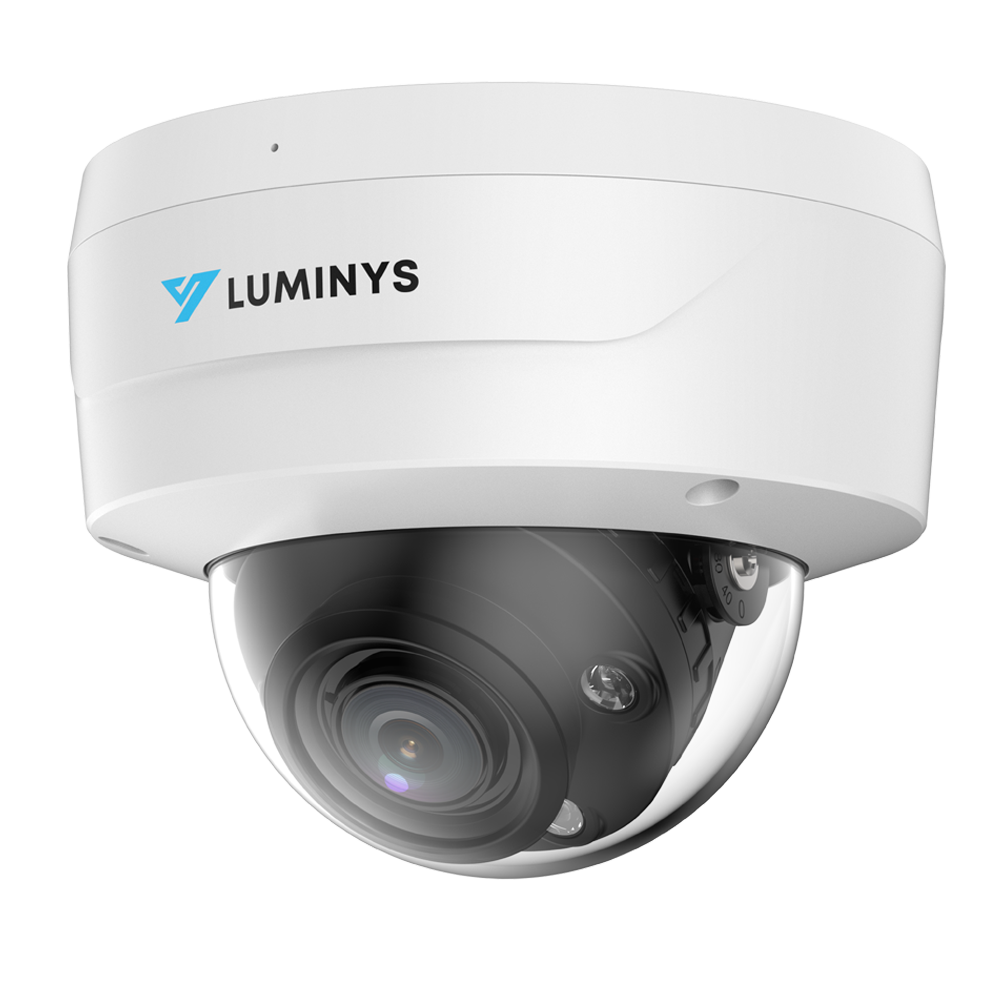
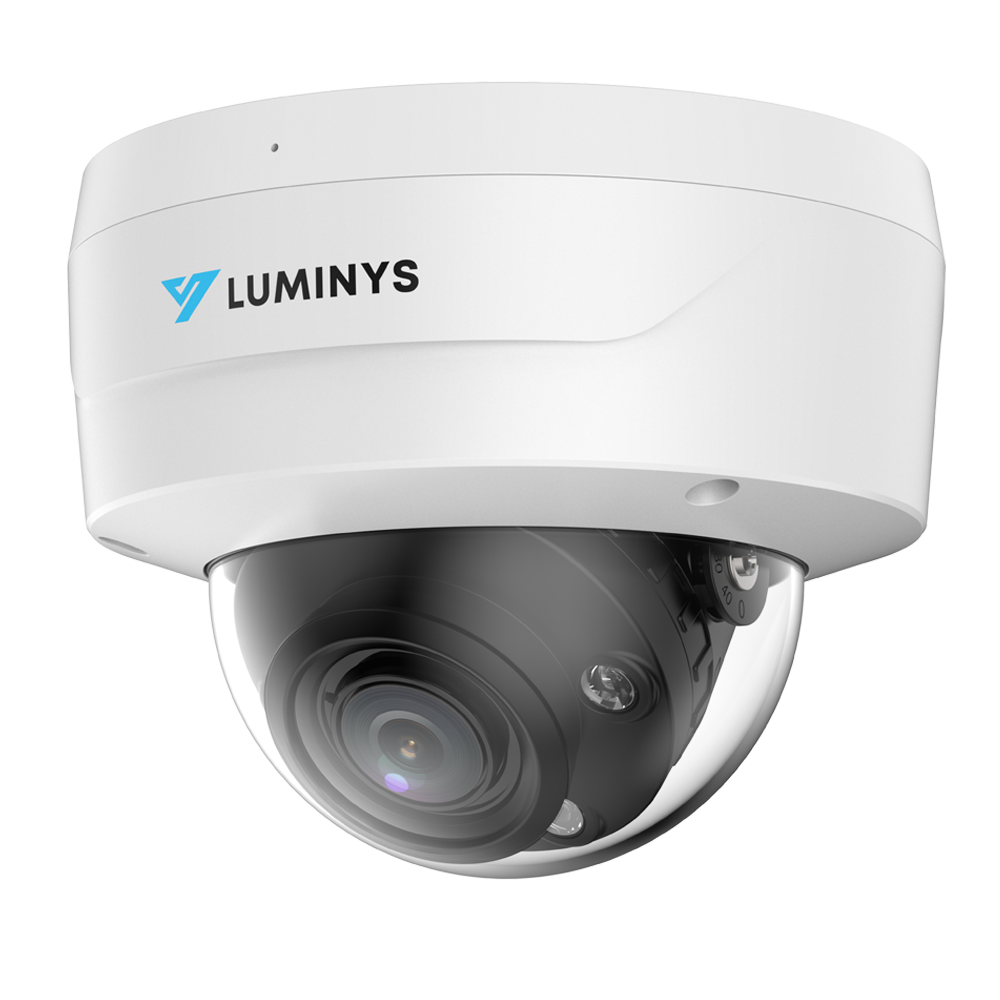
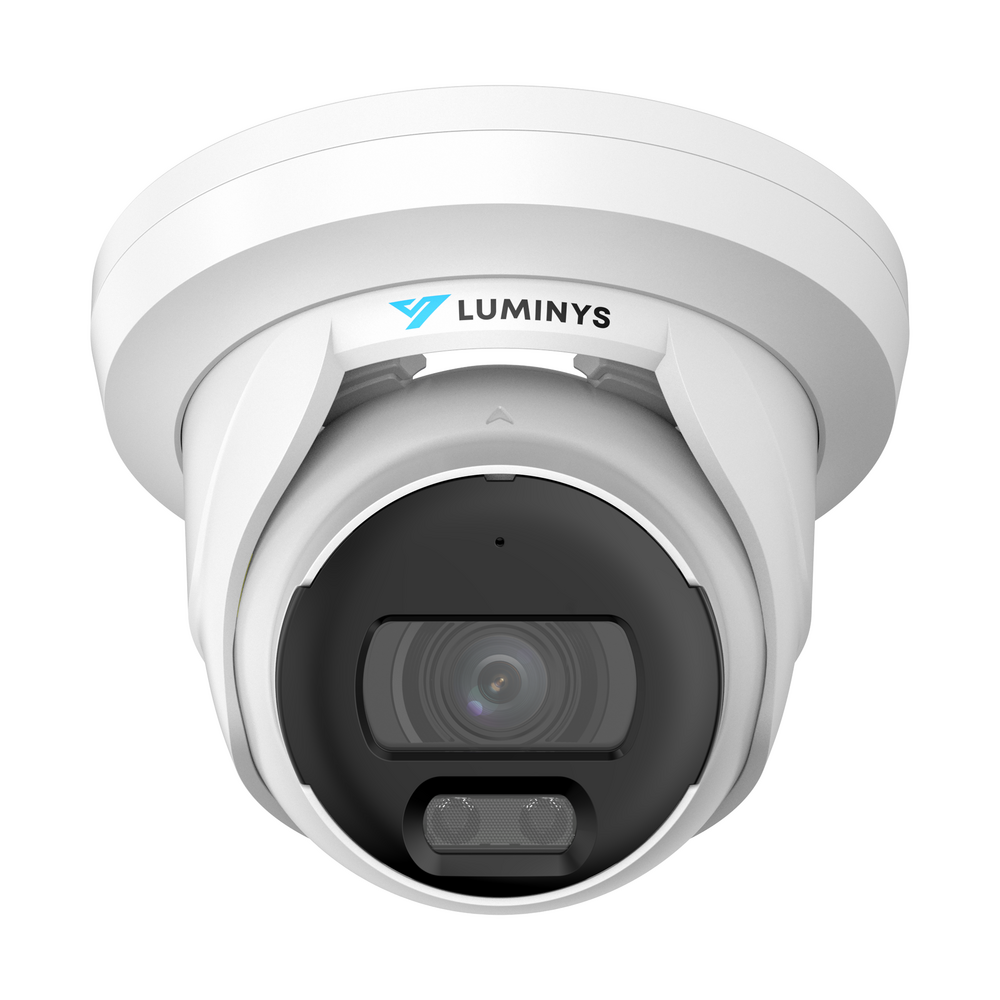
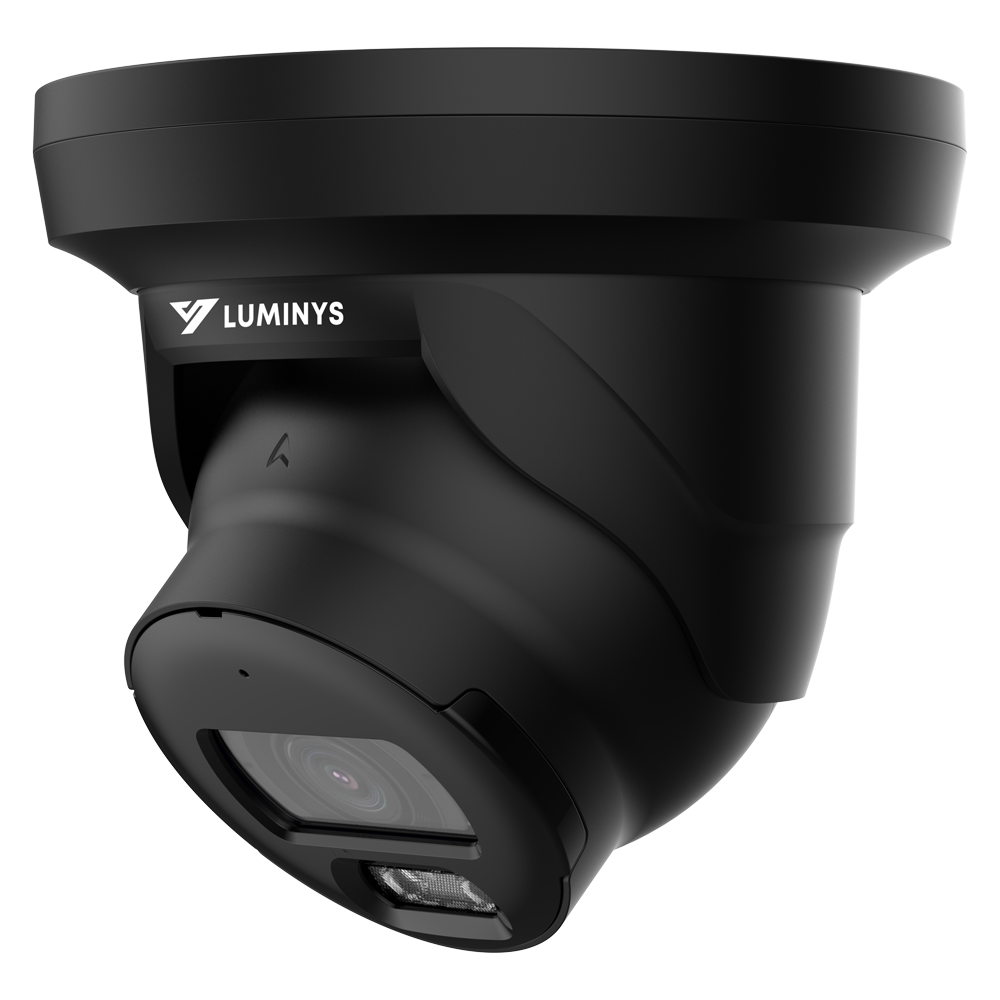
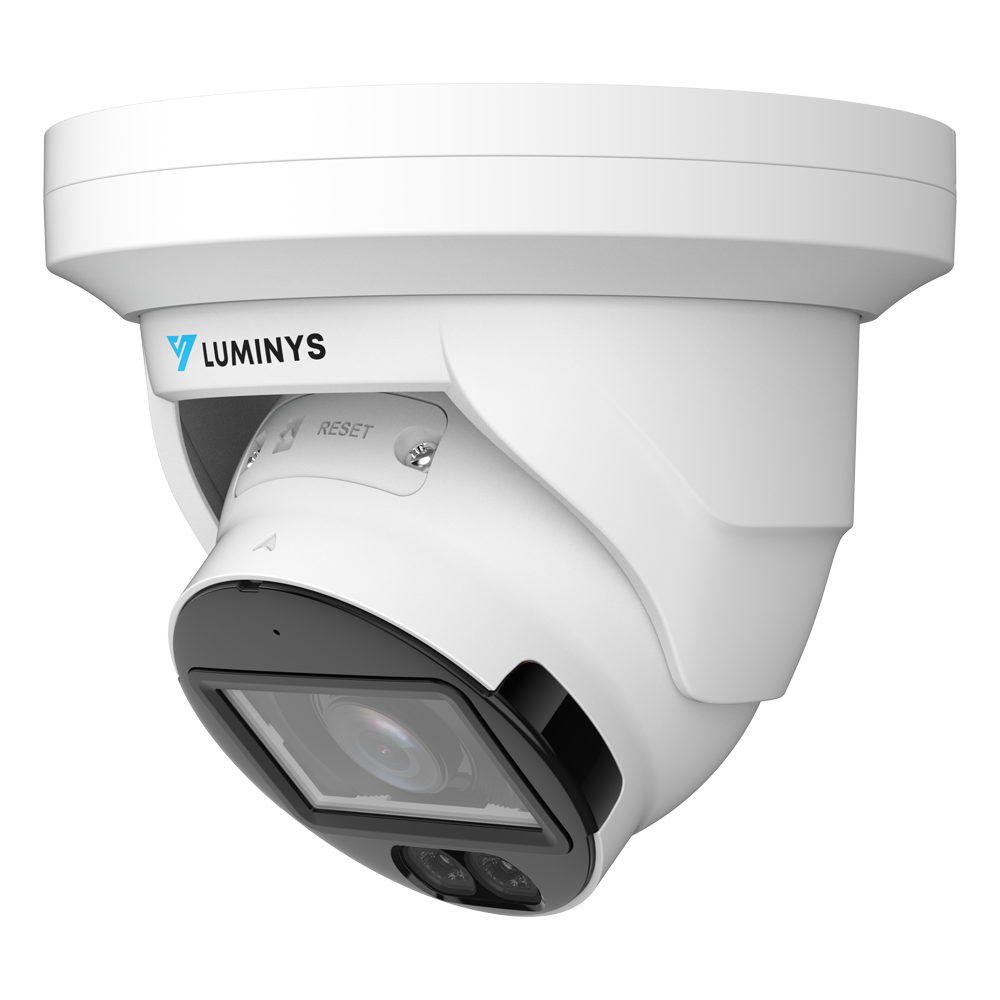
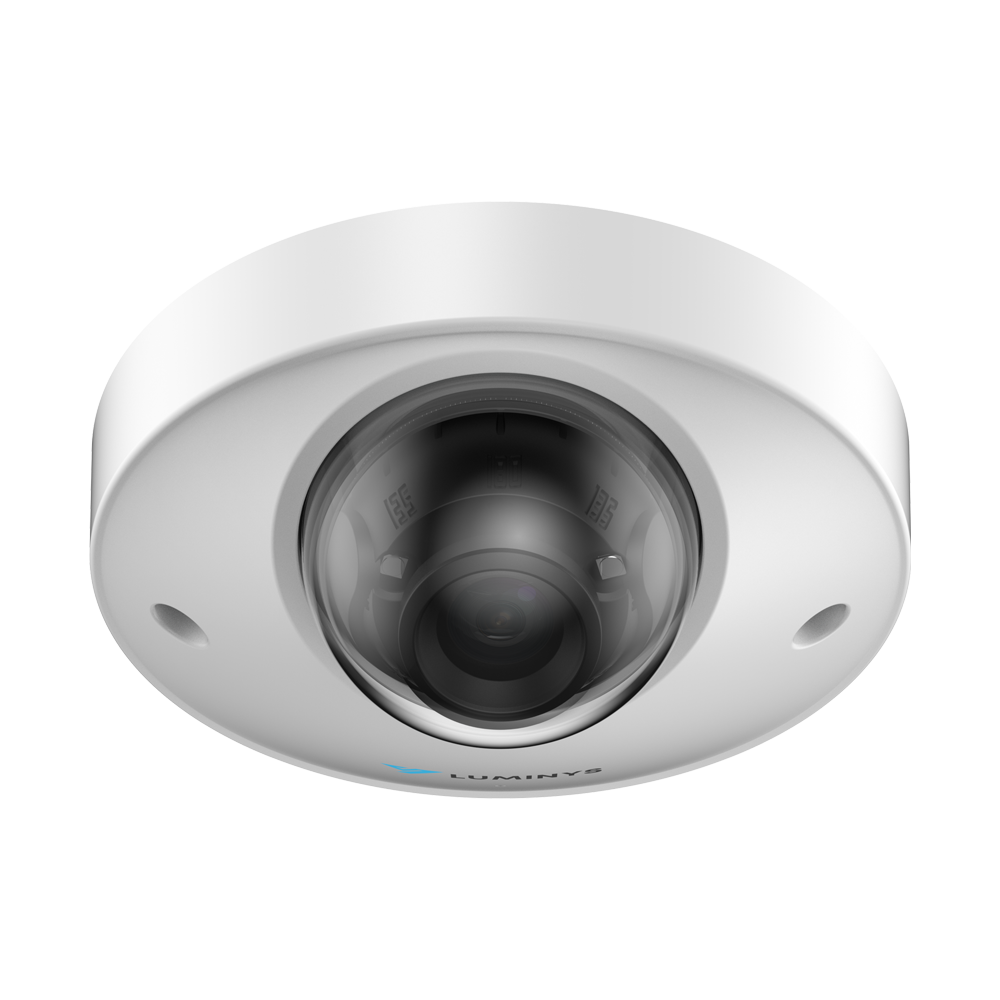
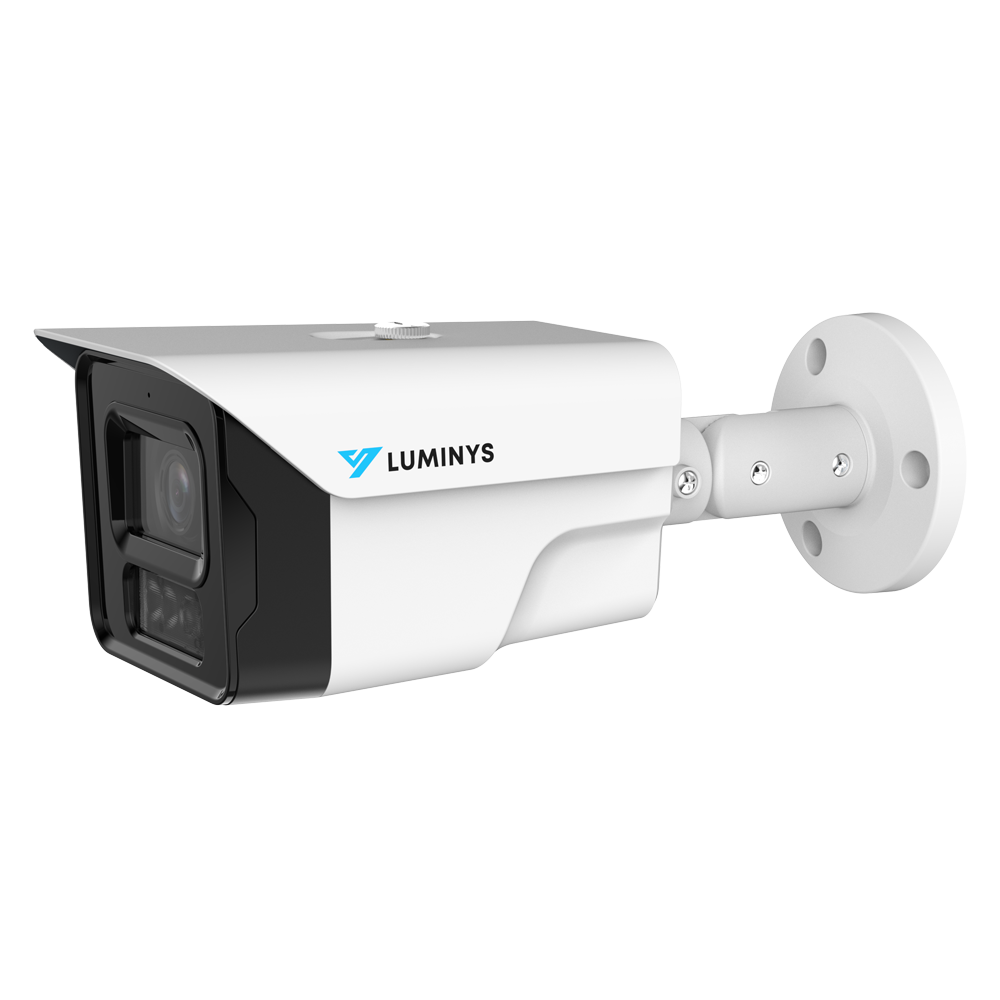
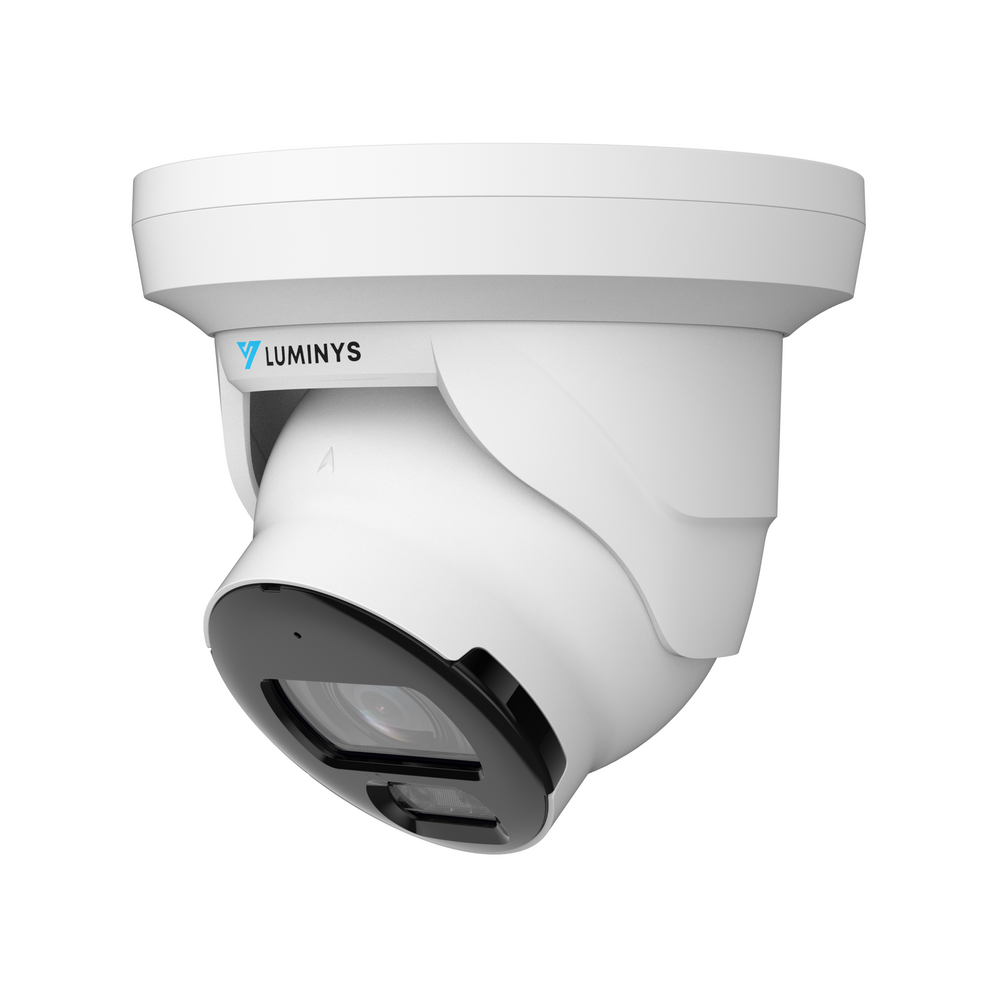
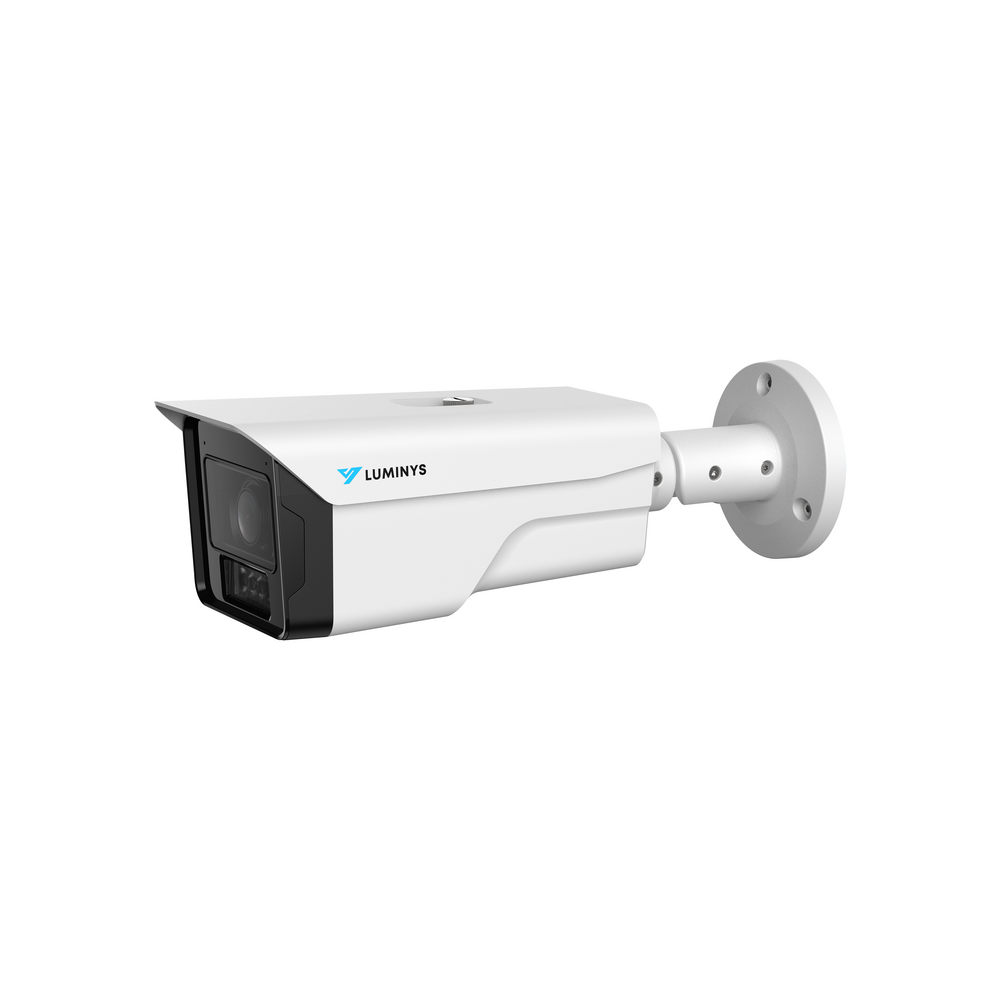
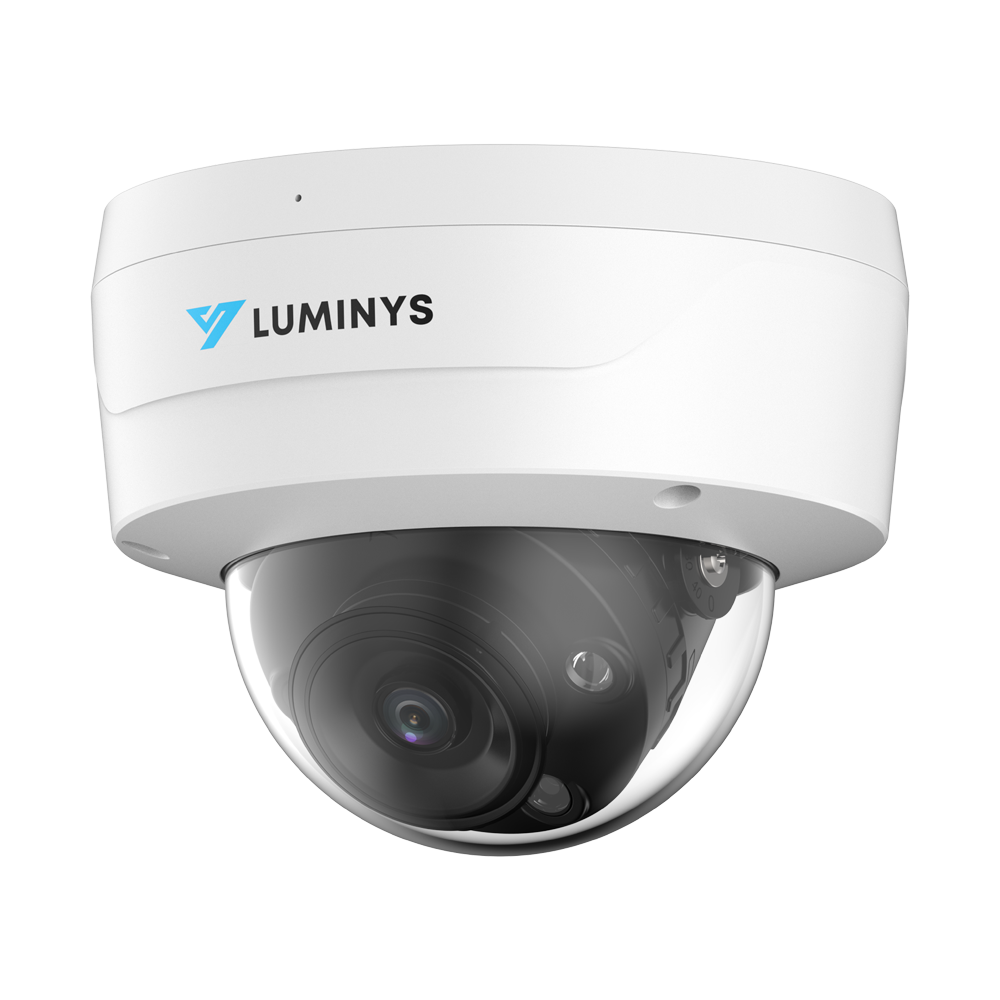
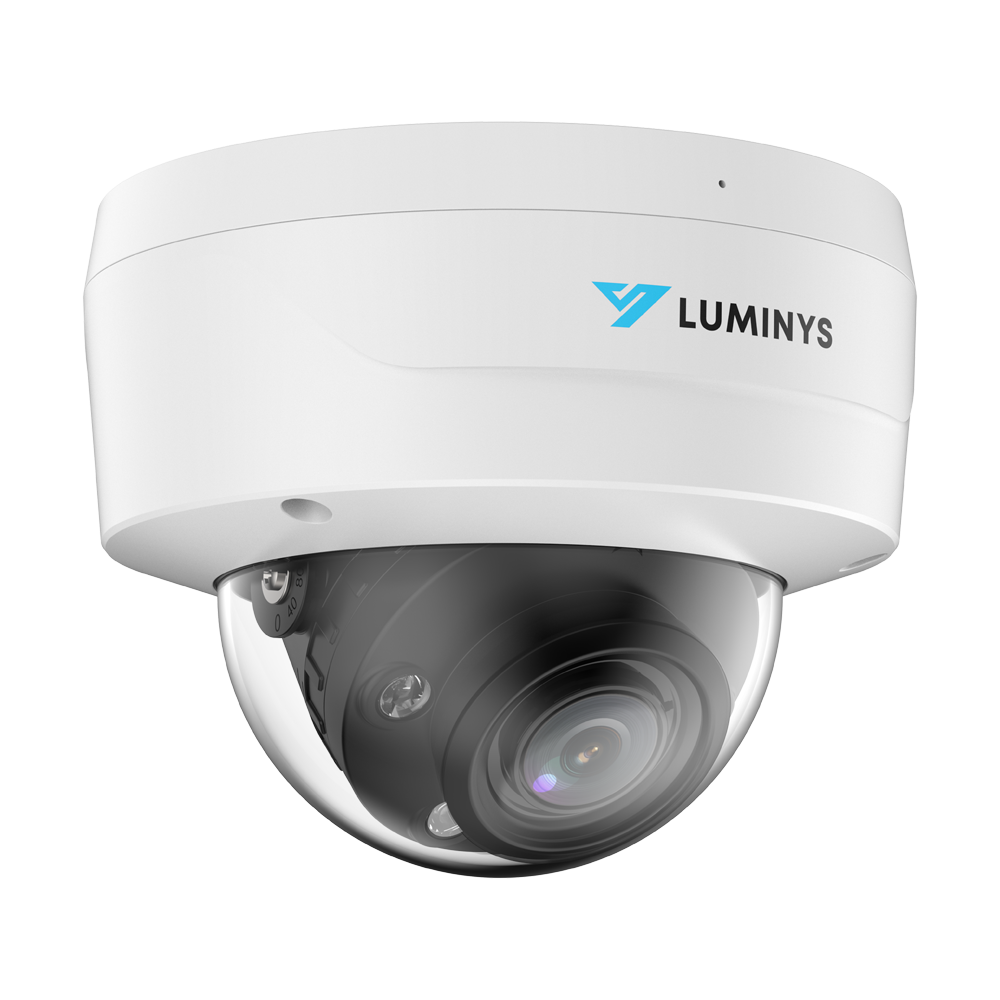
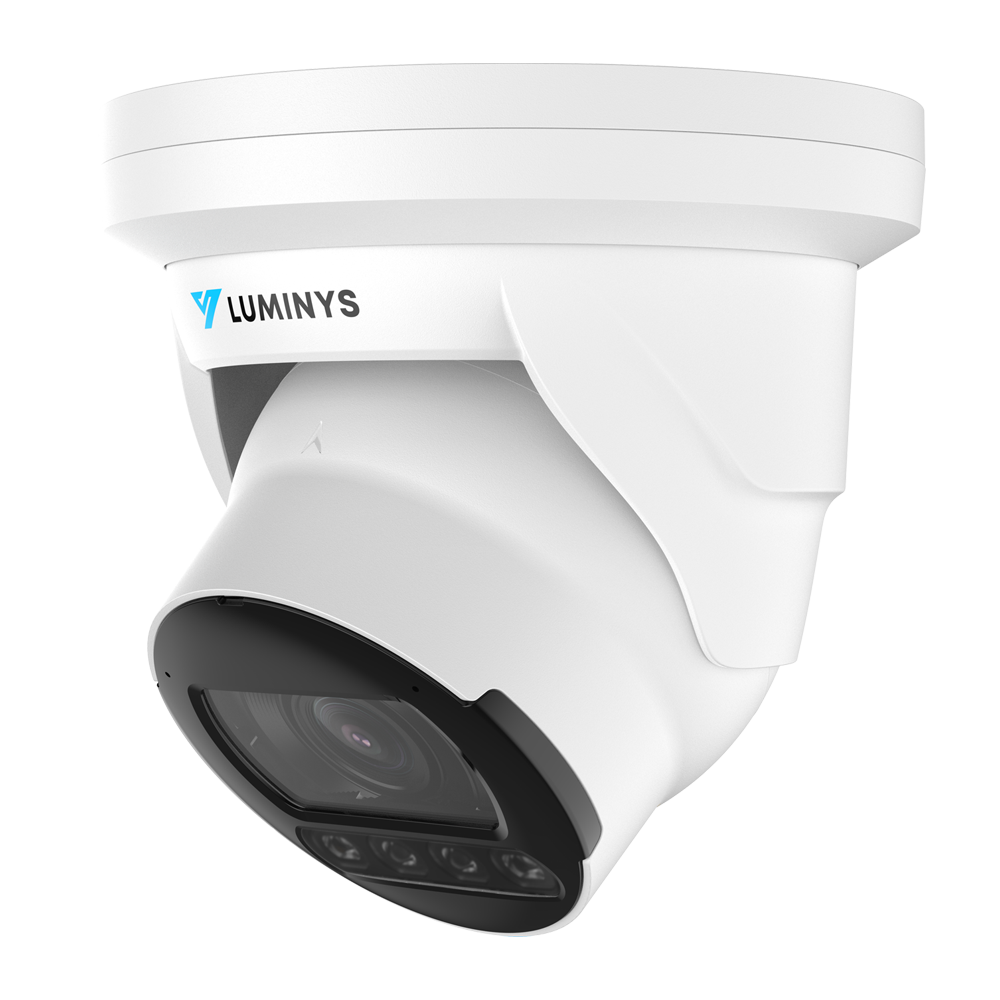
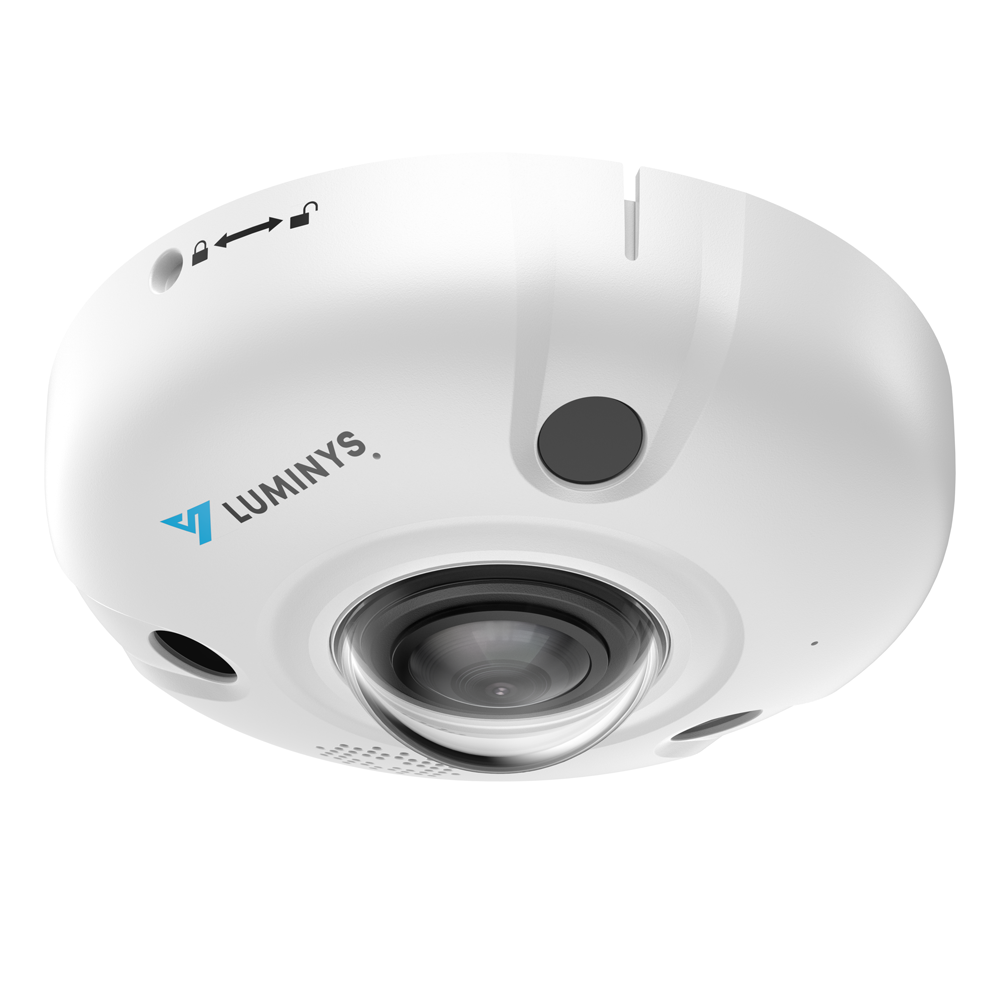
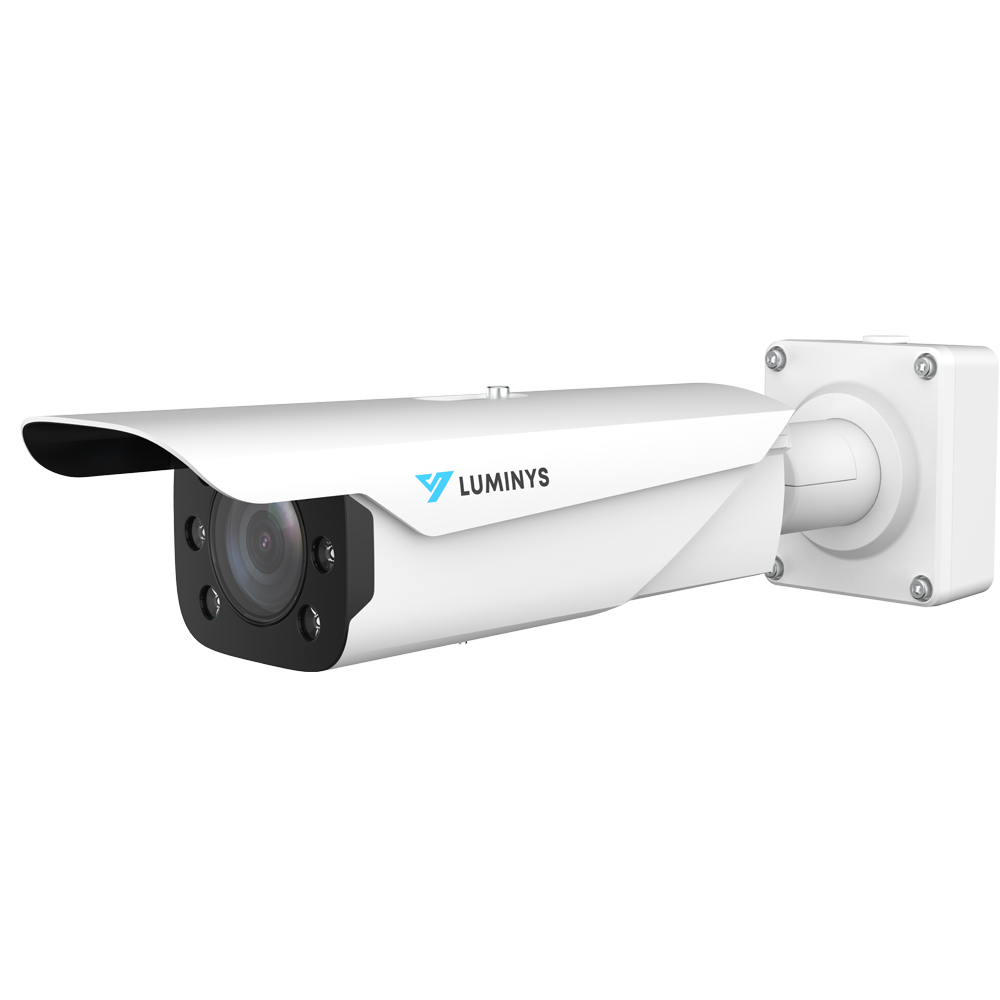
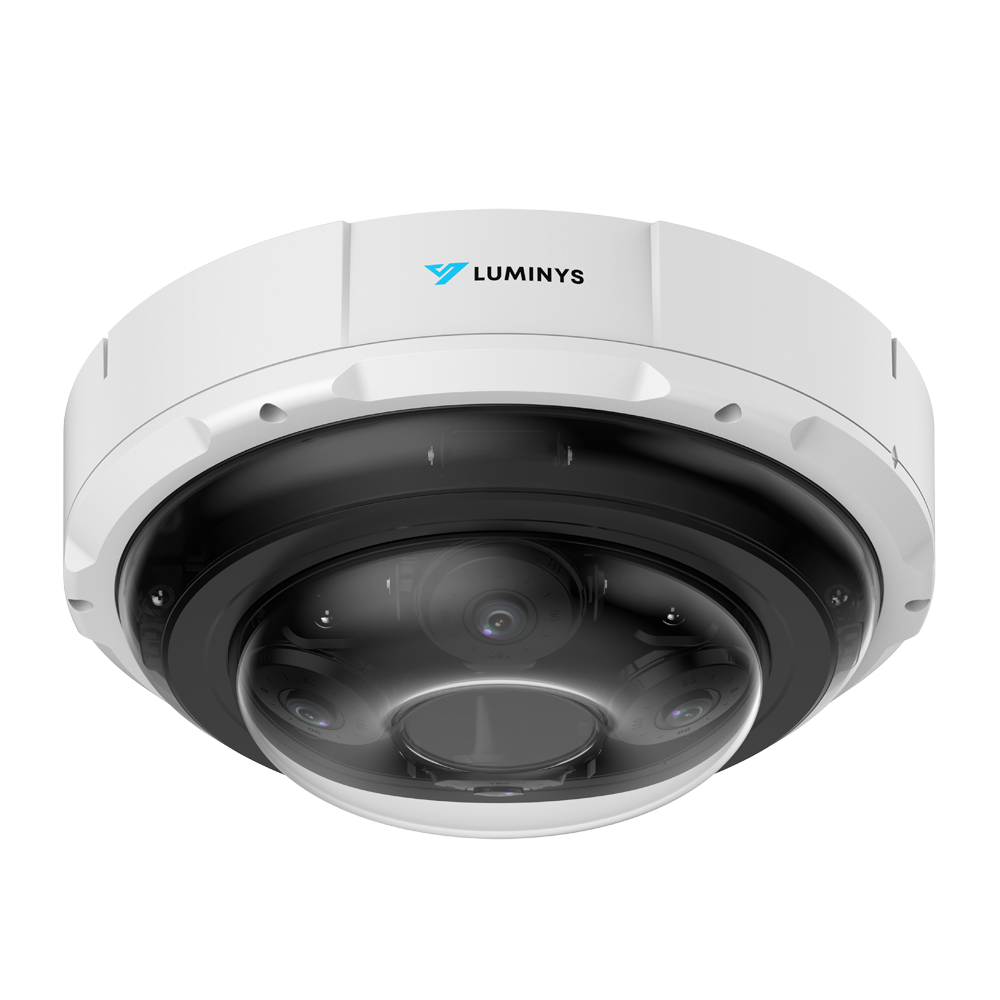
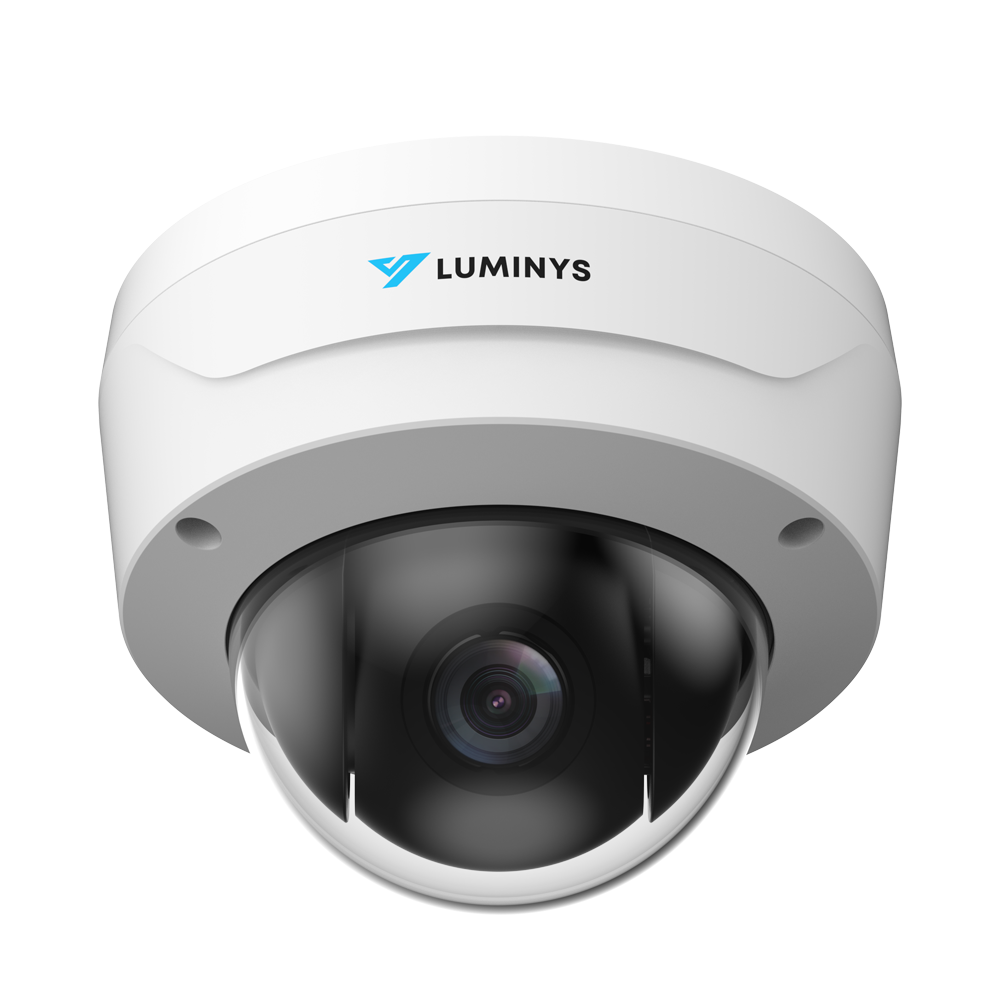
Resolution should be chosen together with focal length, lighting, mounting height, weather exposure, vandal resistance, analytics, and the target distance. Varifocal cameras provide commissioning flexibility at gates, corridors, counters, and uncertain distances. Turrets are strong general-purpose choices; bullets suit obvious directional coverage and longer views; domes can provide a finished appearance and physical protection in appropriate models.
Analytics such as person and vehicle filtering, intrusion zones, line crossing, and supported search functions help operators find relevant events. They still require correct aiming, rule boundaries, schedules, and real-scene testing.
Plan the recorder around operations and growth
The NVR must provide a channel for every camera and enough expansion room for foreseeable entrances, tenant spaces, yards, or phases. Retention planning should start with the business requirement—such as the time between an event and when it is likely to be reported—then be verified after the real scenes are recording.
Document recorder access, administrator ownership, time settings, recording schedules, export procedure, alert recipients, and recovery information. A technically working recorder is not operationally complete until the people who need evidence can retrieve it.
Treat NDAA and other compliance as model-level documentation
Many commercial and public projects require current compliance records. NDAA Section 889 questions are especially relevant to federal procurement, certain federal contracts, and projects with specific funding or customer requirements. A manufacturer declaration for an exact model is useful documentation, but it does not certify an entire project or replace the contract, agency, or legal requirements.
Use the Compliance Center and the current manufacturer materials for the exact model and revision. Keep model numbers, declarations, FCC or other authorization references, and installation conditions with the project record.
Buy individual parts or request a reviewed system plan
Businesses and installation professionals can purchase individual cameras, recorders, mounts, networking items, and accessories directly. The Plan a System workflow can also assemble exact camera quantities, an available NVR choice, measured Cat-6 lines, and optional support.
After installation and internet connection, $100 remote programming can configure supported recorder and camera settings. A separate $100 live training session can walk authorized users through daily operation. Qualified security dealers and integrators can apply for protected dealer purchasing access.
Frequently asked questions
What is included in a commercial security camera system?
A typical system includes purpose-selected IP cameras, an NVR, storage, mounting accessories, network connections, cable, a local display for setup or operation where needed, and documented user and recording configuration. Exact components depend on the site.
How many cameras does a small business need?
Small businesses often begin with eight to sixteen views, but the correct number comes from entrances, transaction points, inventory, rear doors, loading, parking, and other evidence goals—not square footage alone.
Are the products NDAA compliant?
Products identified with NDAA documentation should be verified by exact model and current manufacturer declaration. NDAA alignment of a product does not by itself certify an entire system, project, contract, or funding source.
Can Elite help after our staff installs the equipment?
Yes. Supported systems can be remotely programmed for $100 after the physical installation is complete and the recorder is online. A separate $100 live user-training session is available.