What makes a professional home camera system different
A professional home video-surveillance system is planned around the evidence each location needs, not around a fixed box of identical cameras. Wired network cameras connect to an on-site network video recorder (NVR), where recording schedules, retention, users, playback, and remote access can be managed as one system.
Local NVR recording can operate independently of optional cloud-storage services. Internet service is normally needed for remote viewing, notifications, updates, and remote support. Exact capabilities depend on the camera, recorder, network, and selected services, so the model specifications remain the final authority.
Plan views before choosing camera models
Start with the paths a person or vehicle must use: the front entrance, driveway, garage doors, rear entrance, side gates, yard approaches, and detached buildings. A useful plan separates wide context views from tighter identification views instead of expecting one very wide camera to do both jobs.
- List every entrance, driveway, gate, garage, and detached structure.
- Mark where faces, packages, vehicles, or license plates need useful detail.
- Check the scene after dark for headlights, porch lights, reflections, and deep shadows.
- Plan overlapping views for the highest-value approaches.
Choose each camera for its scene
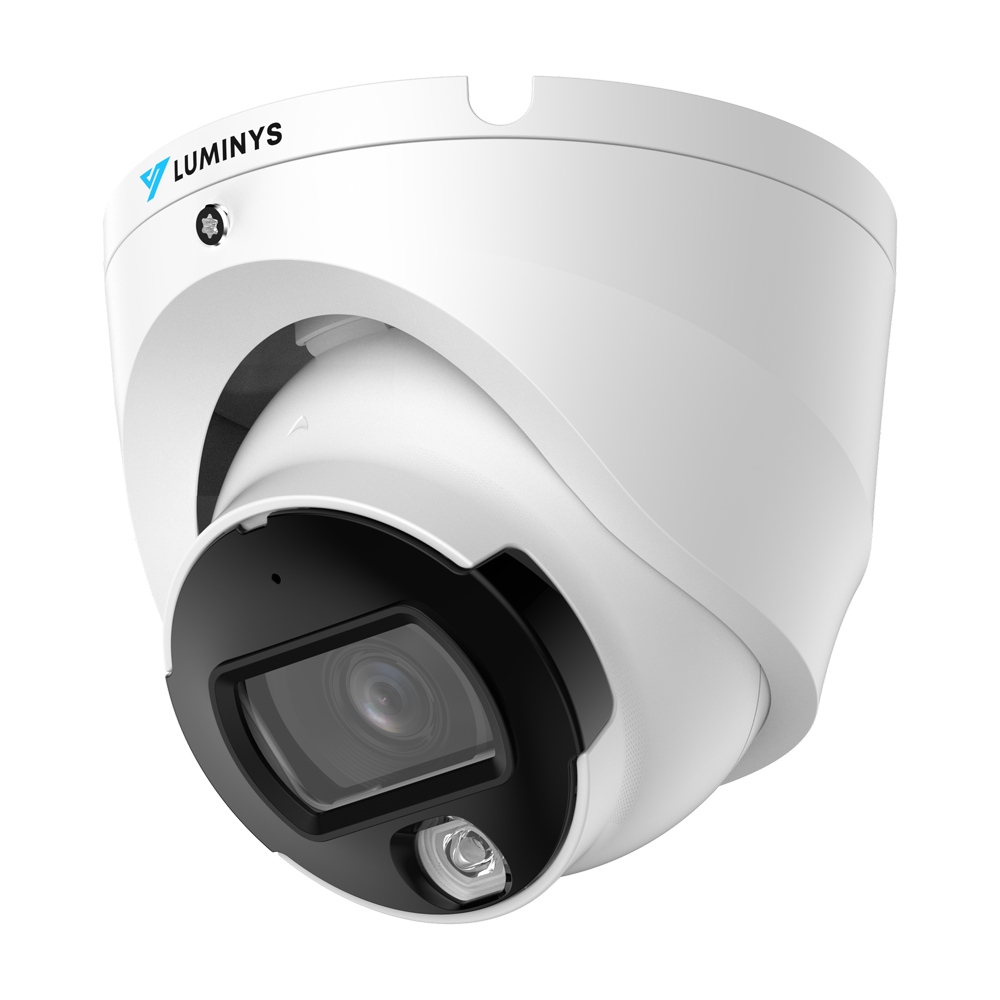
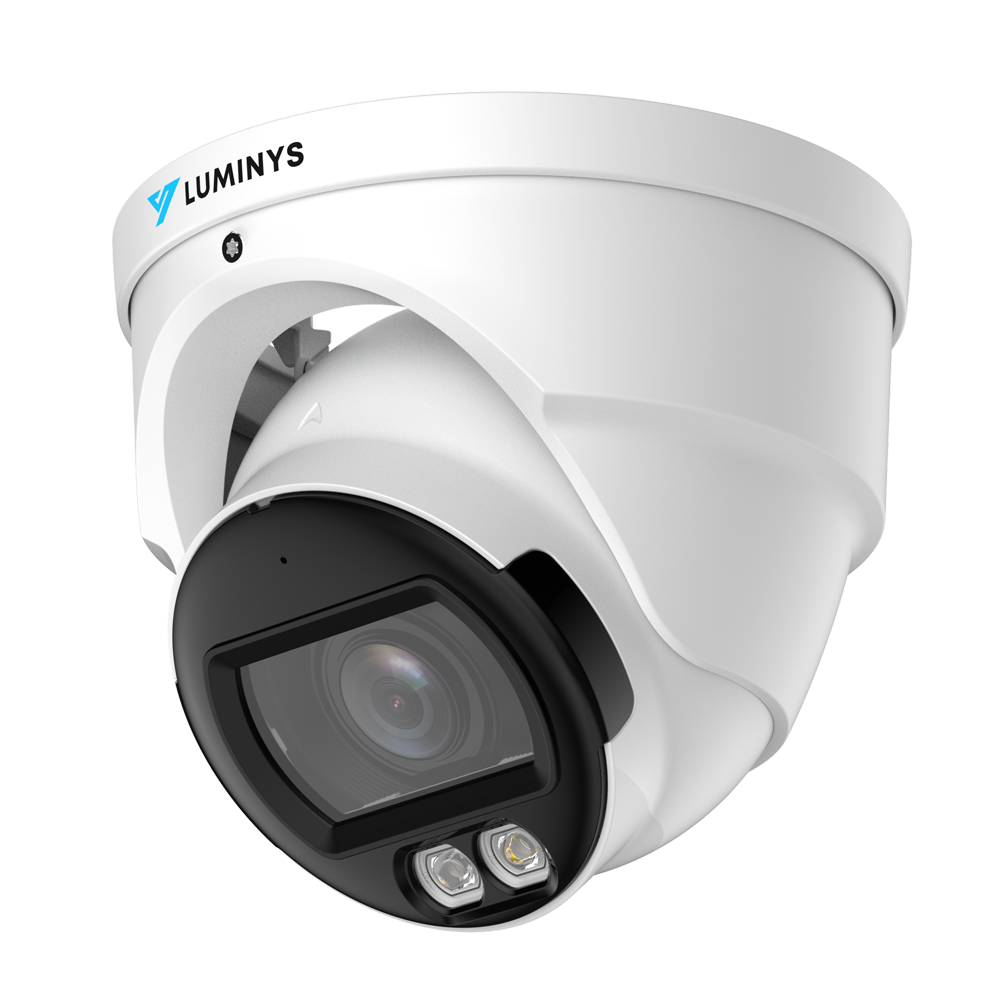
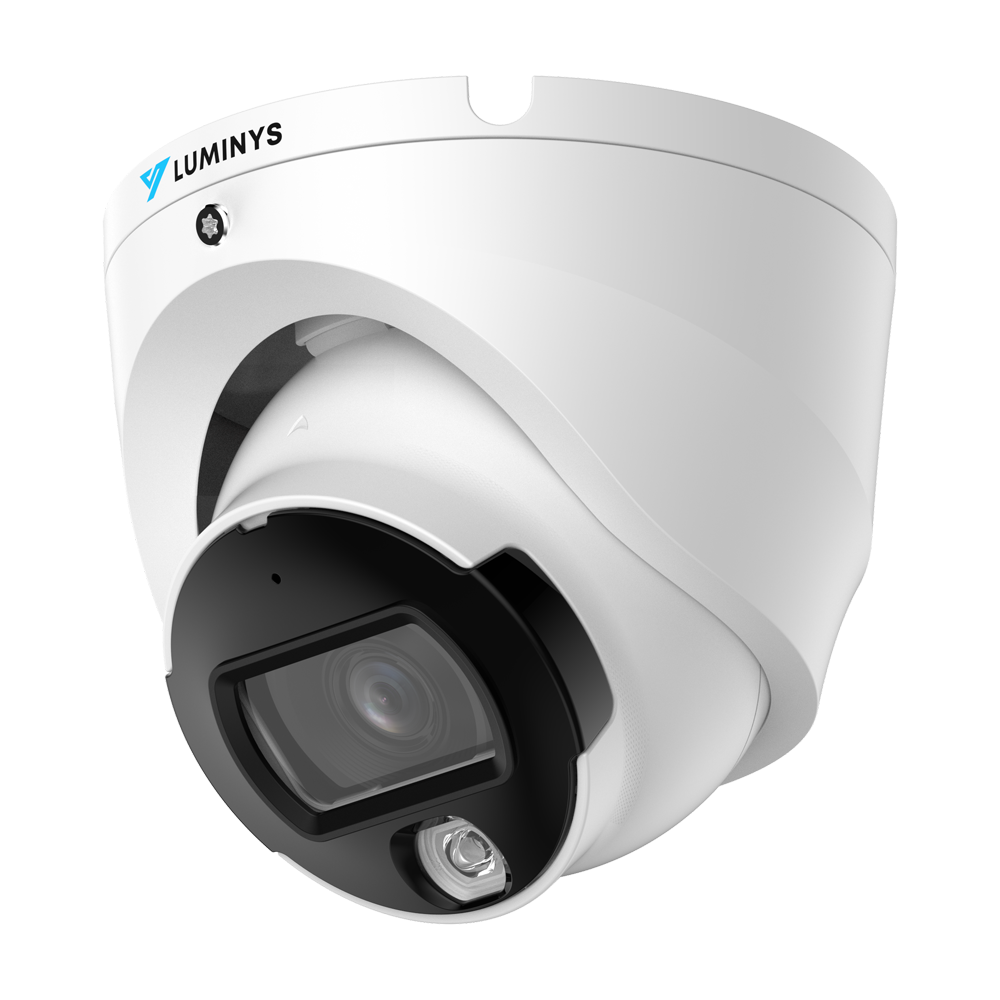
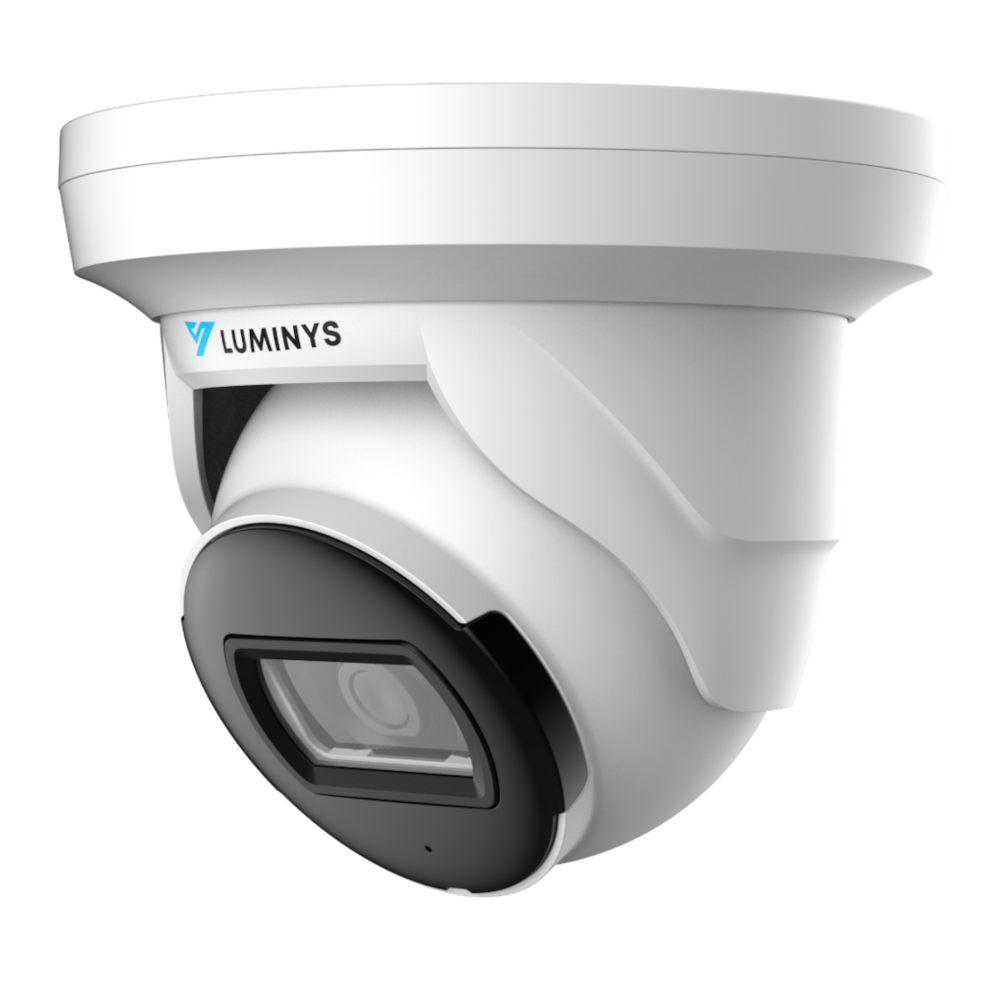
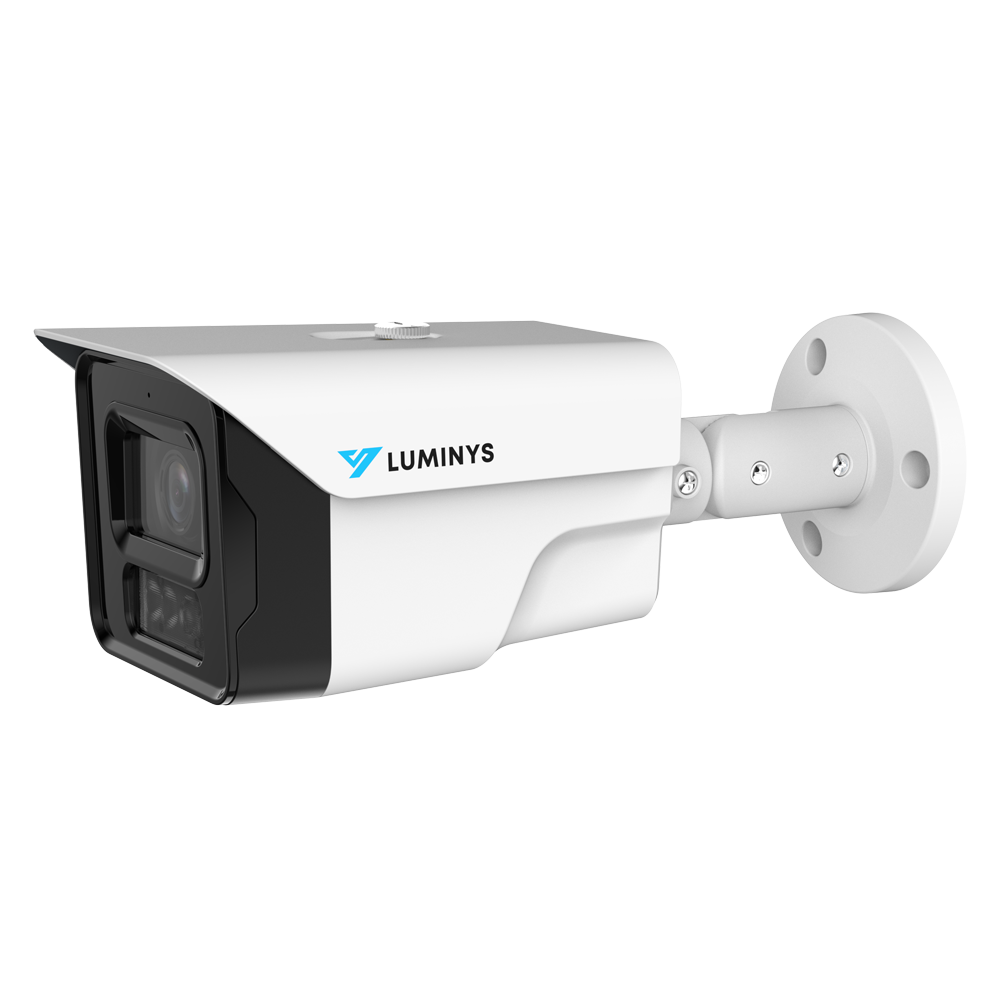
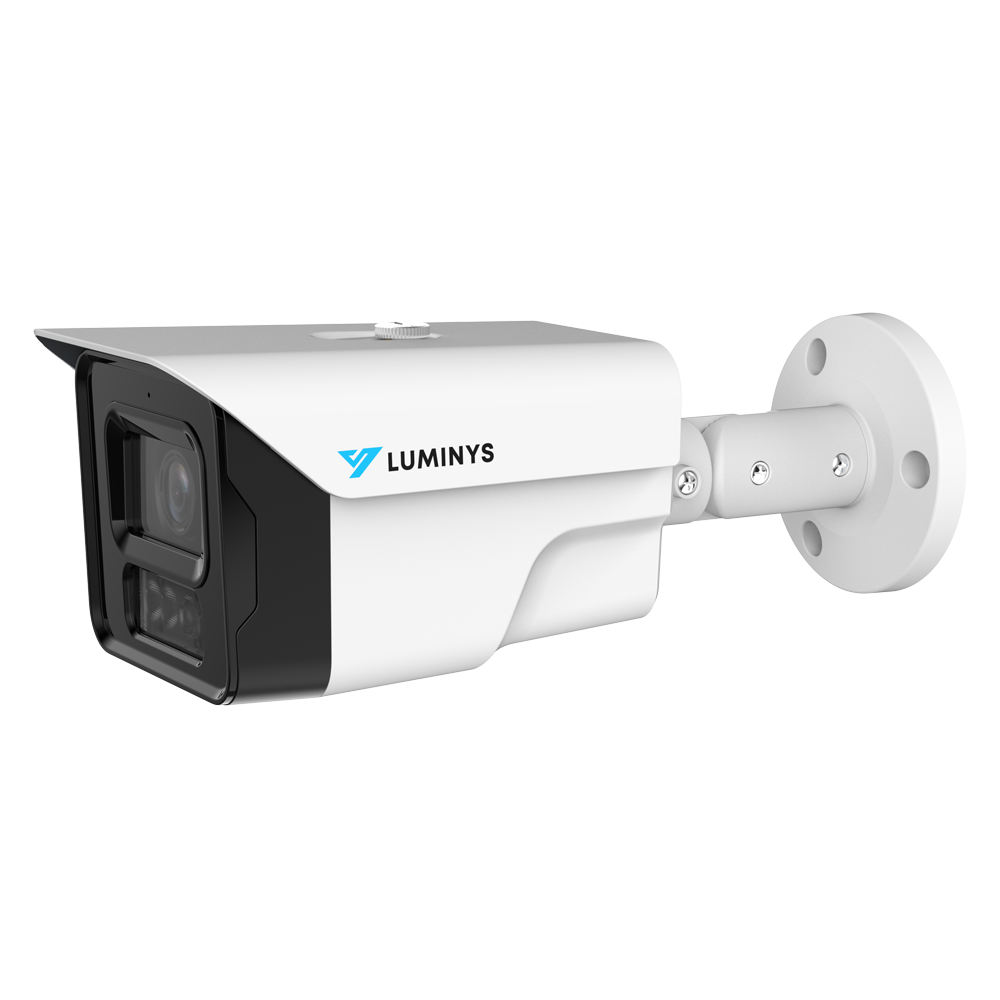
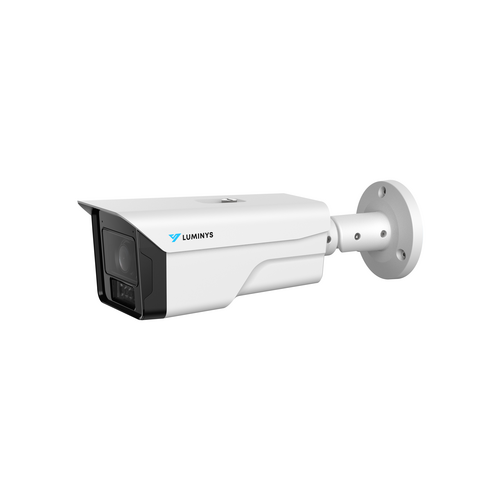
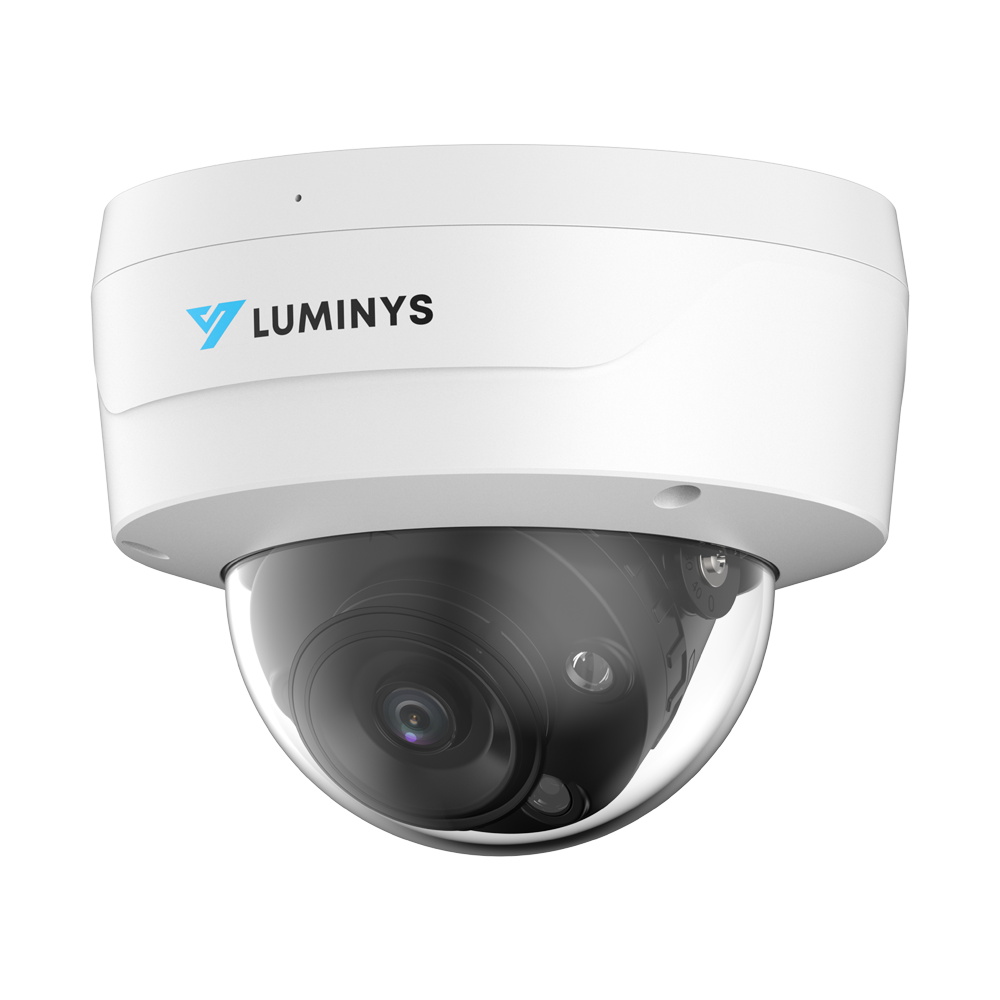
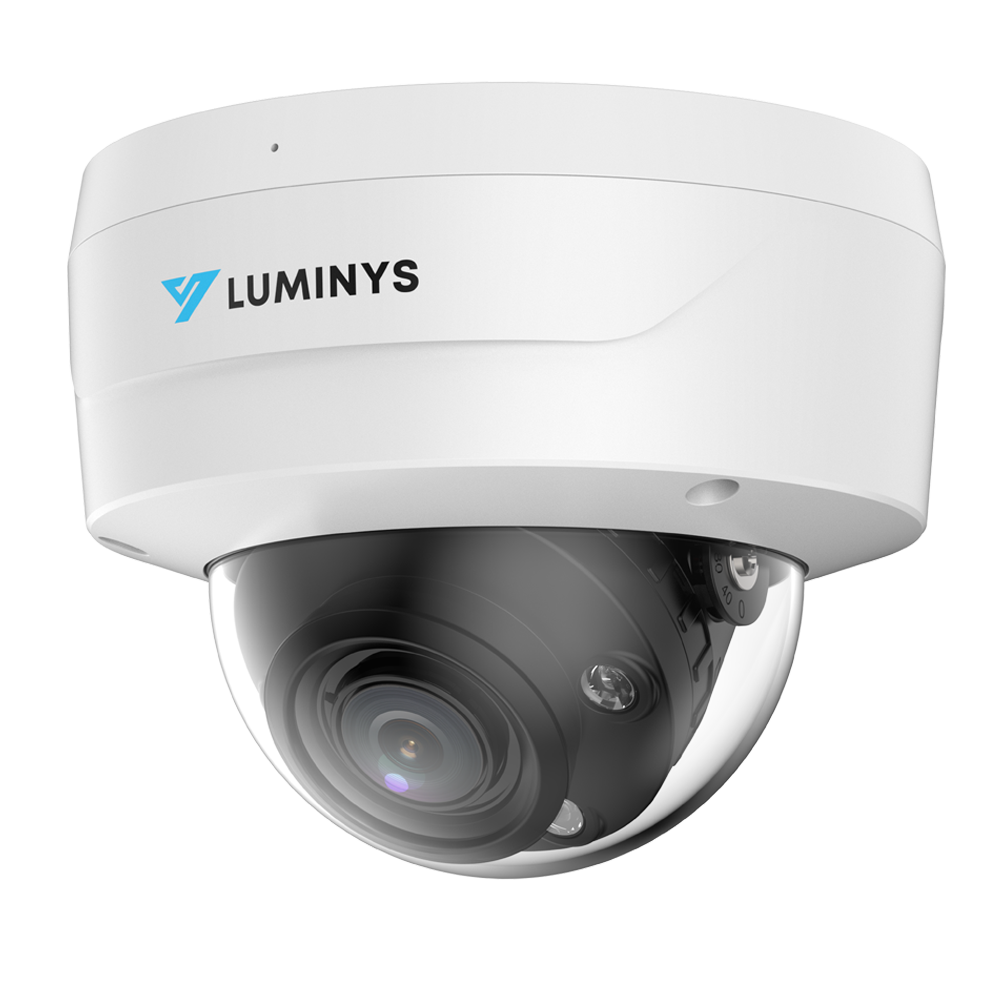
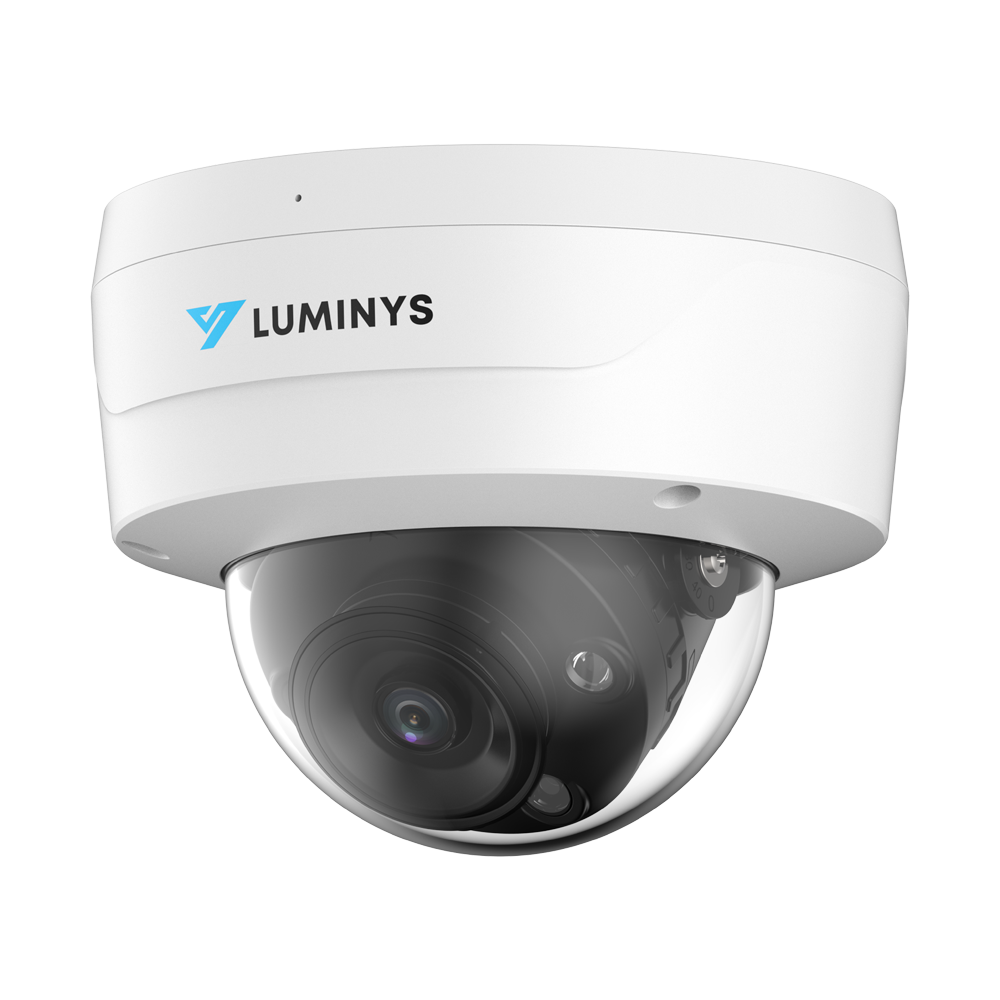
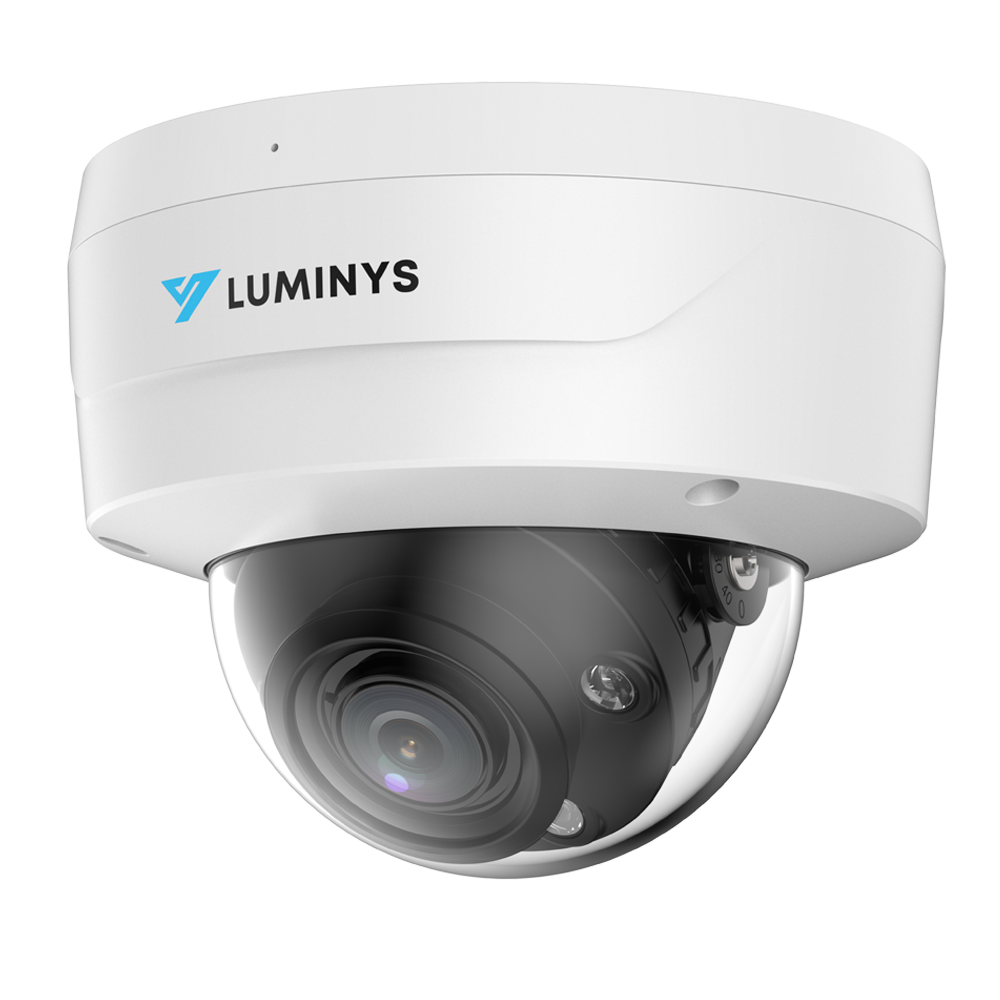
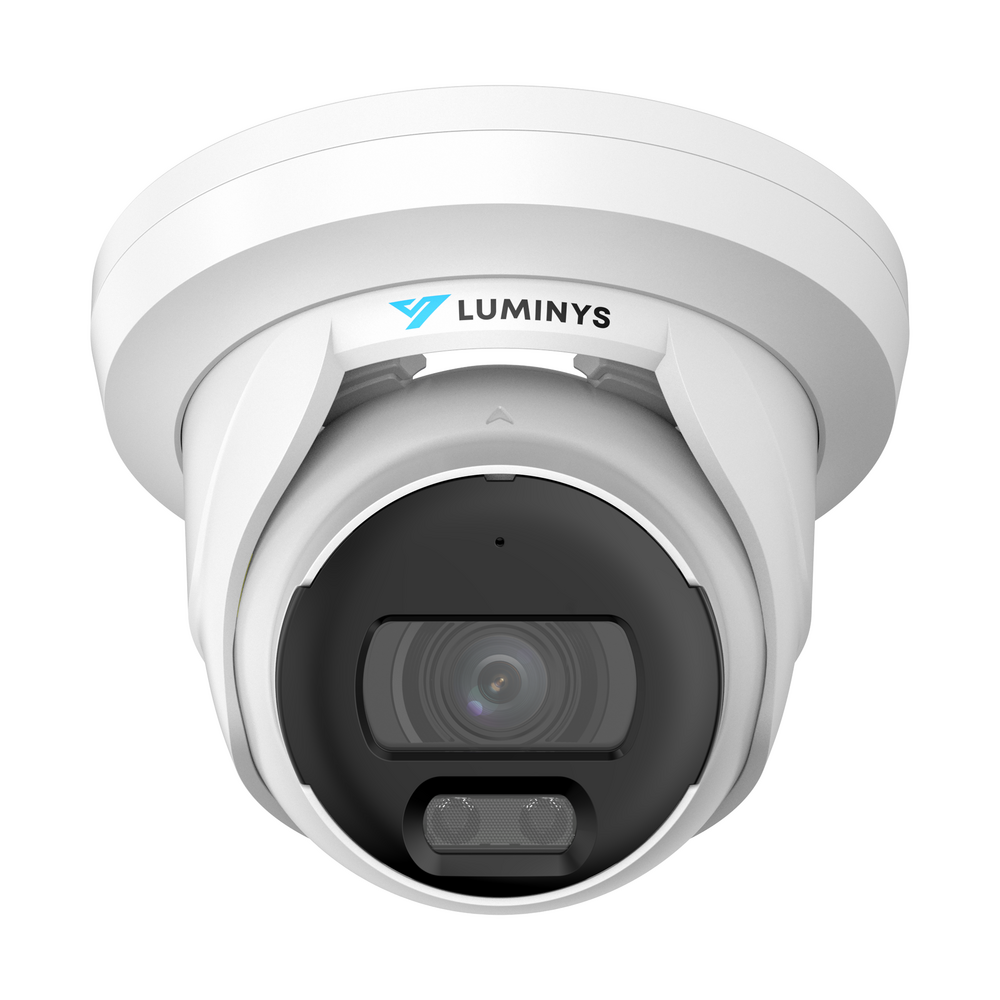
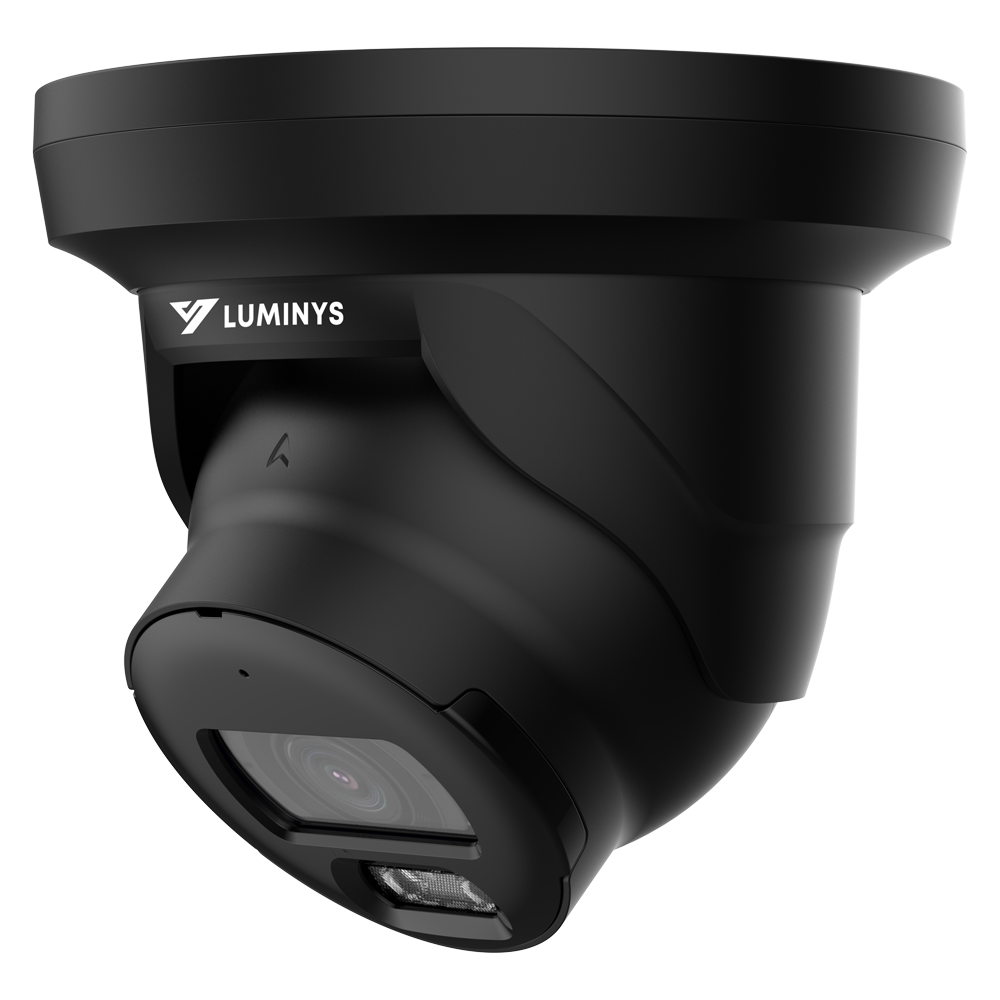
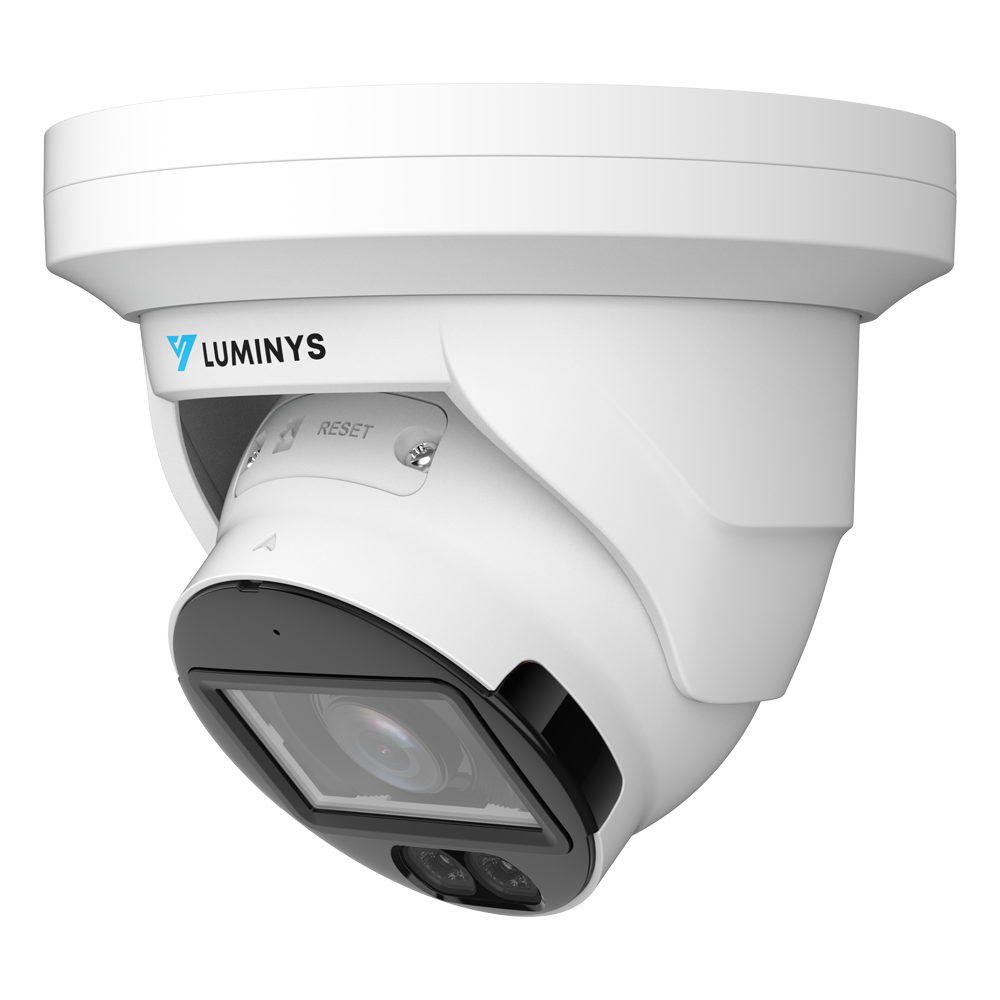
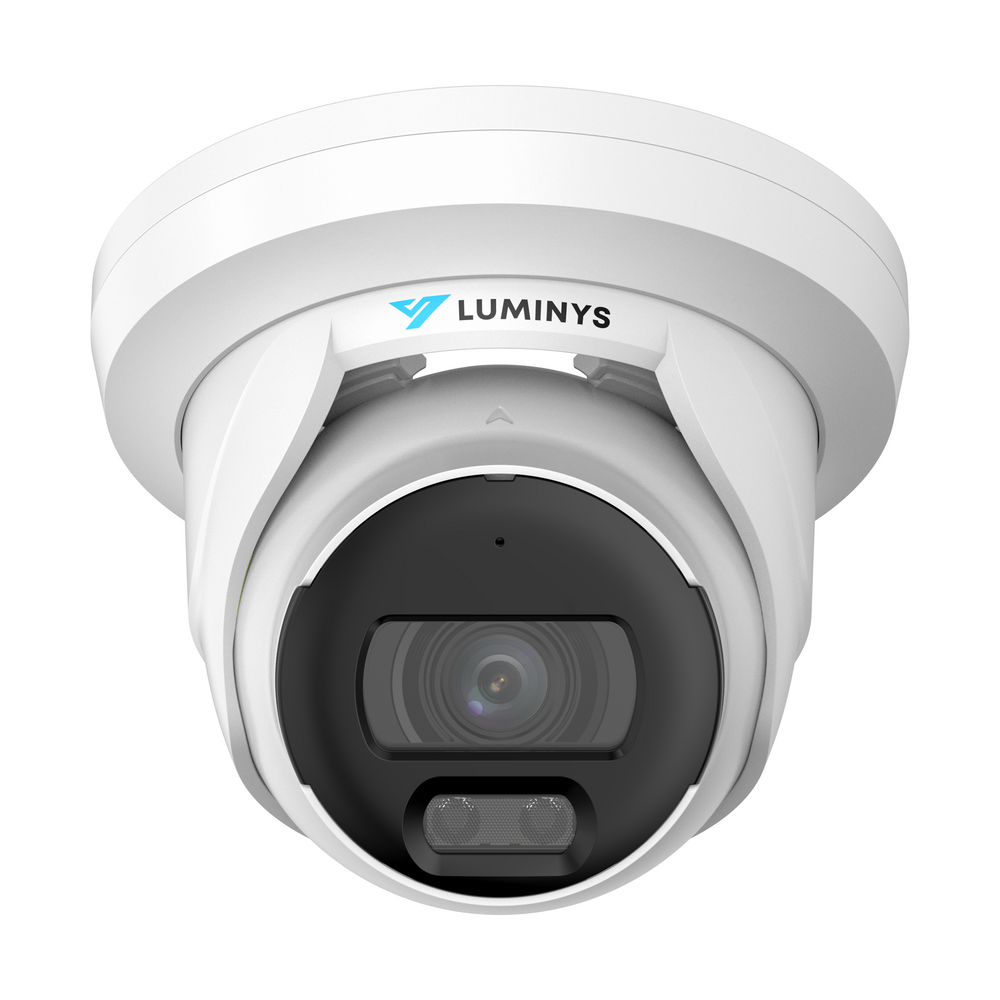
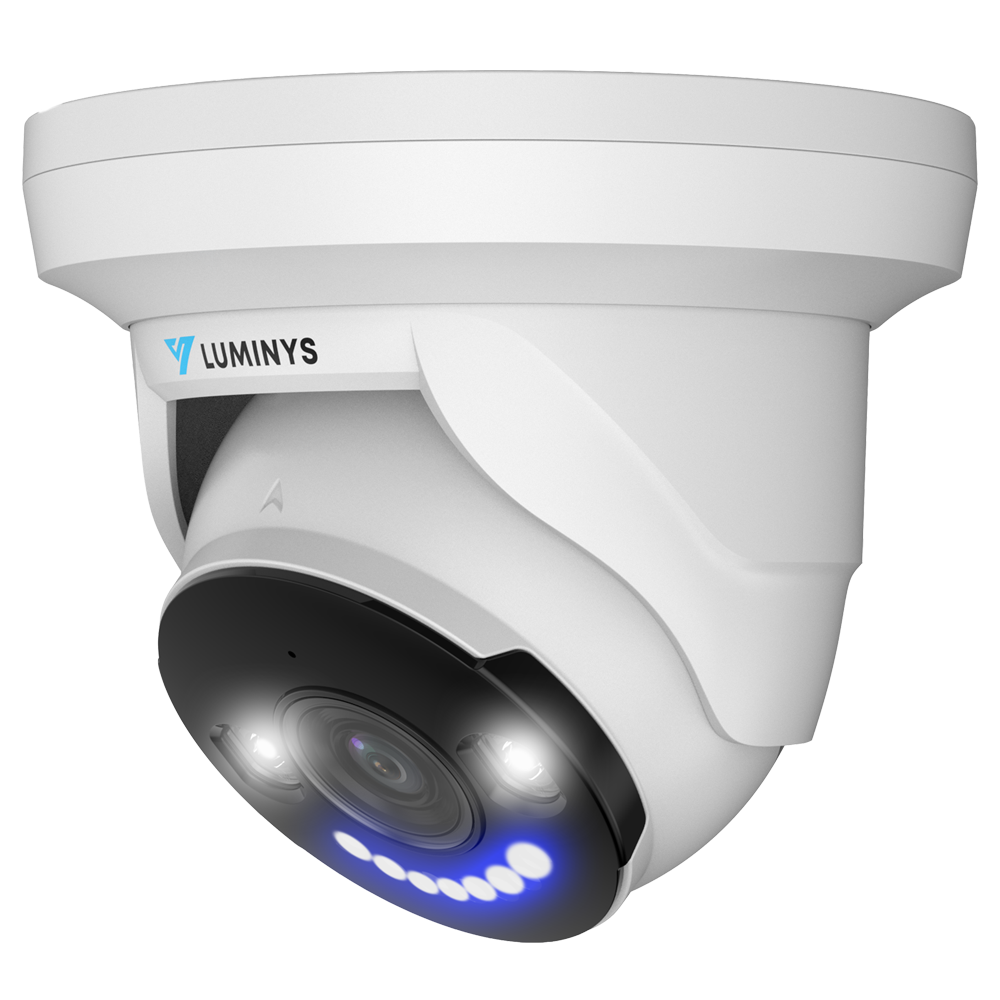
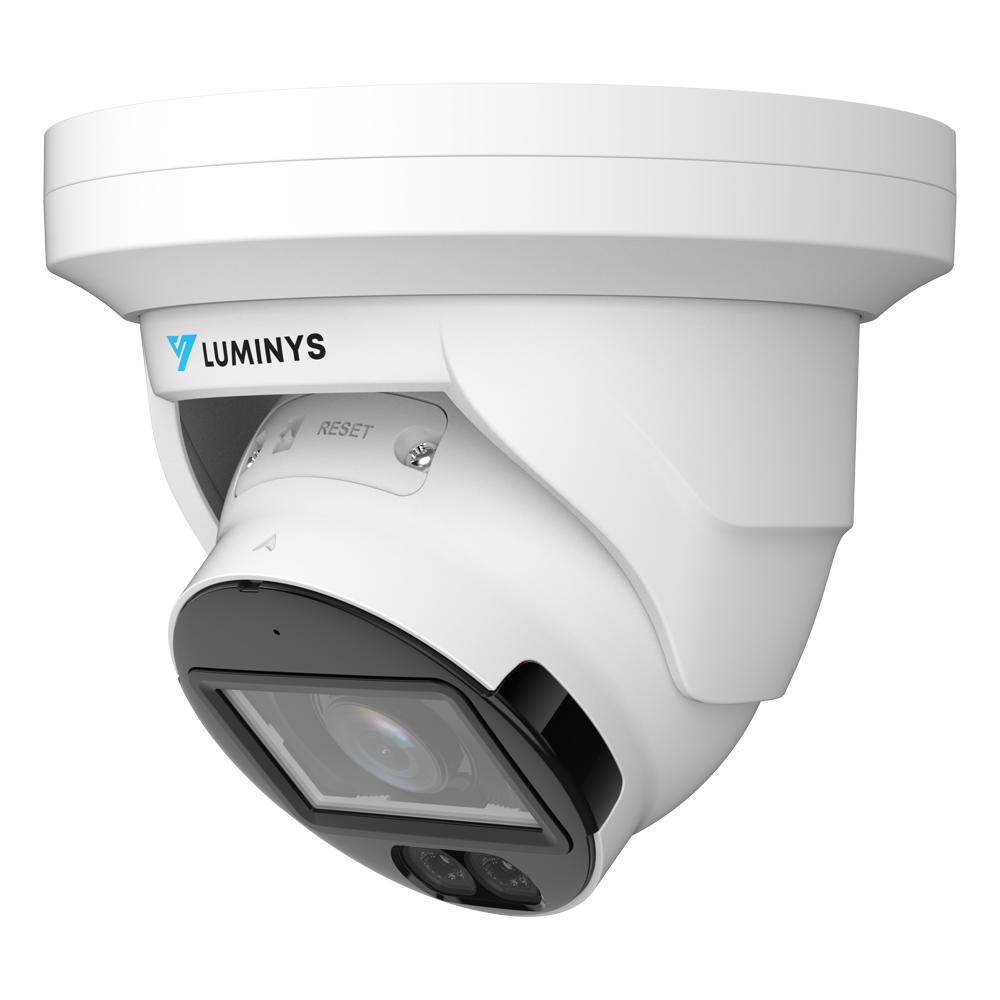
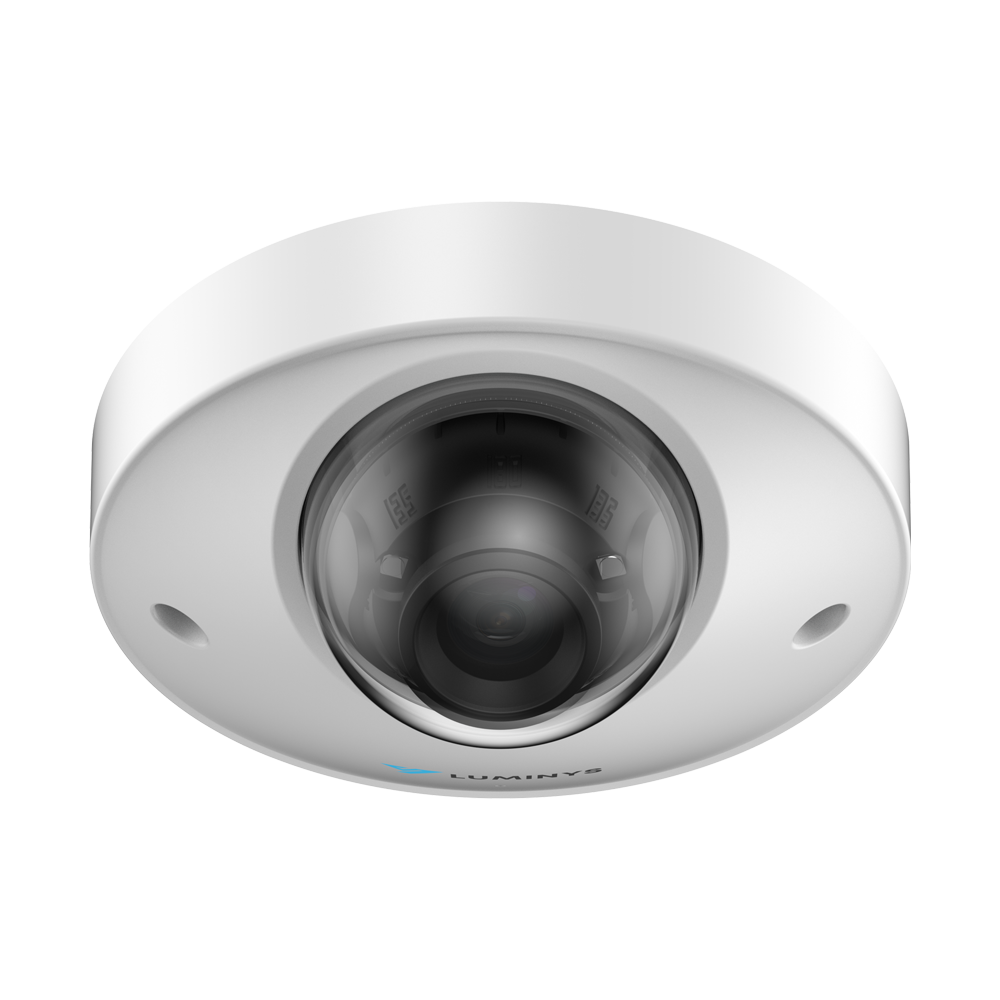
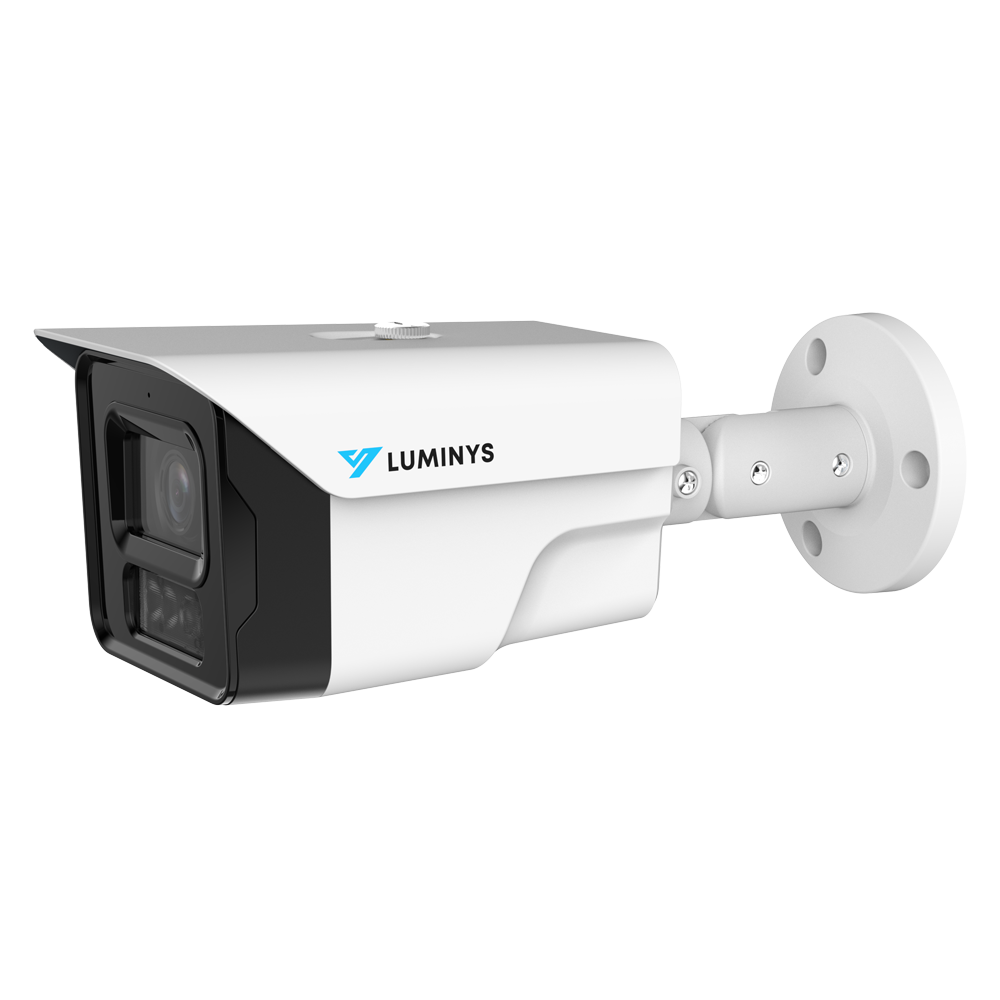
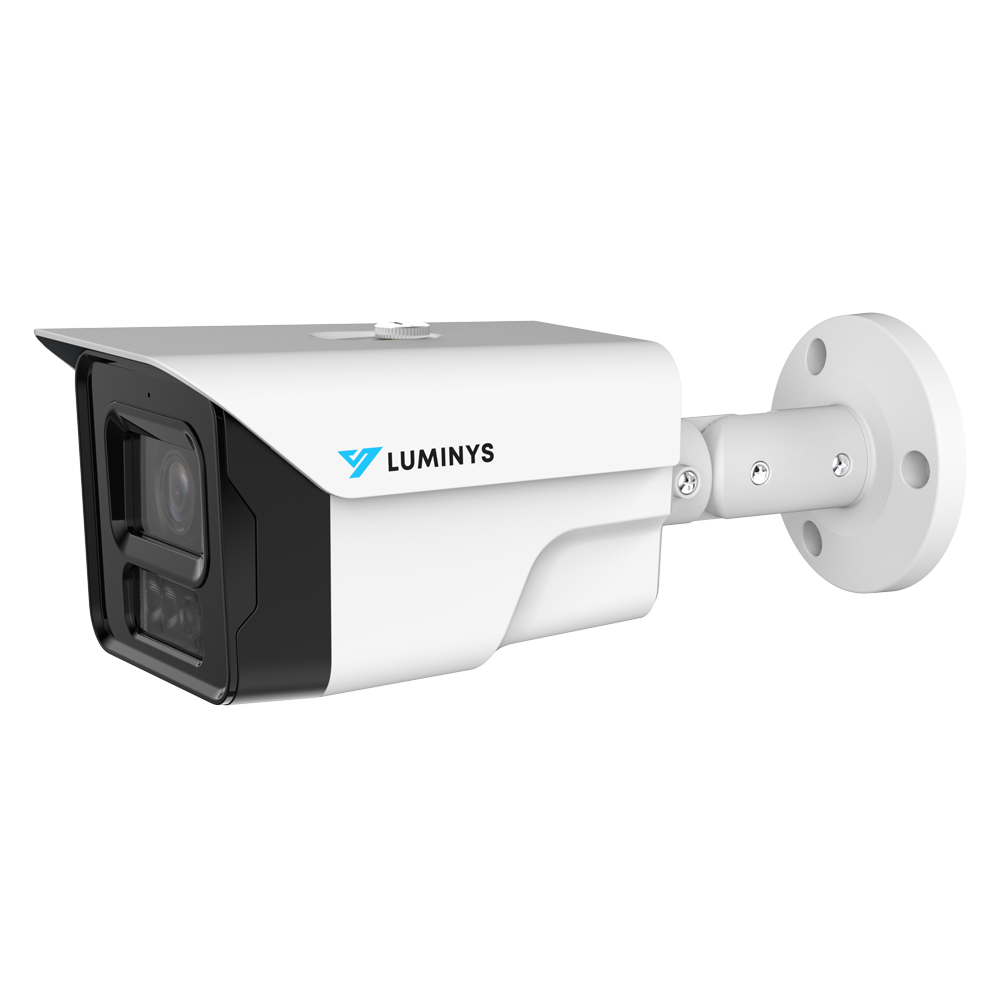
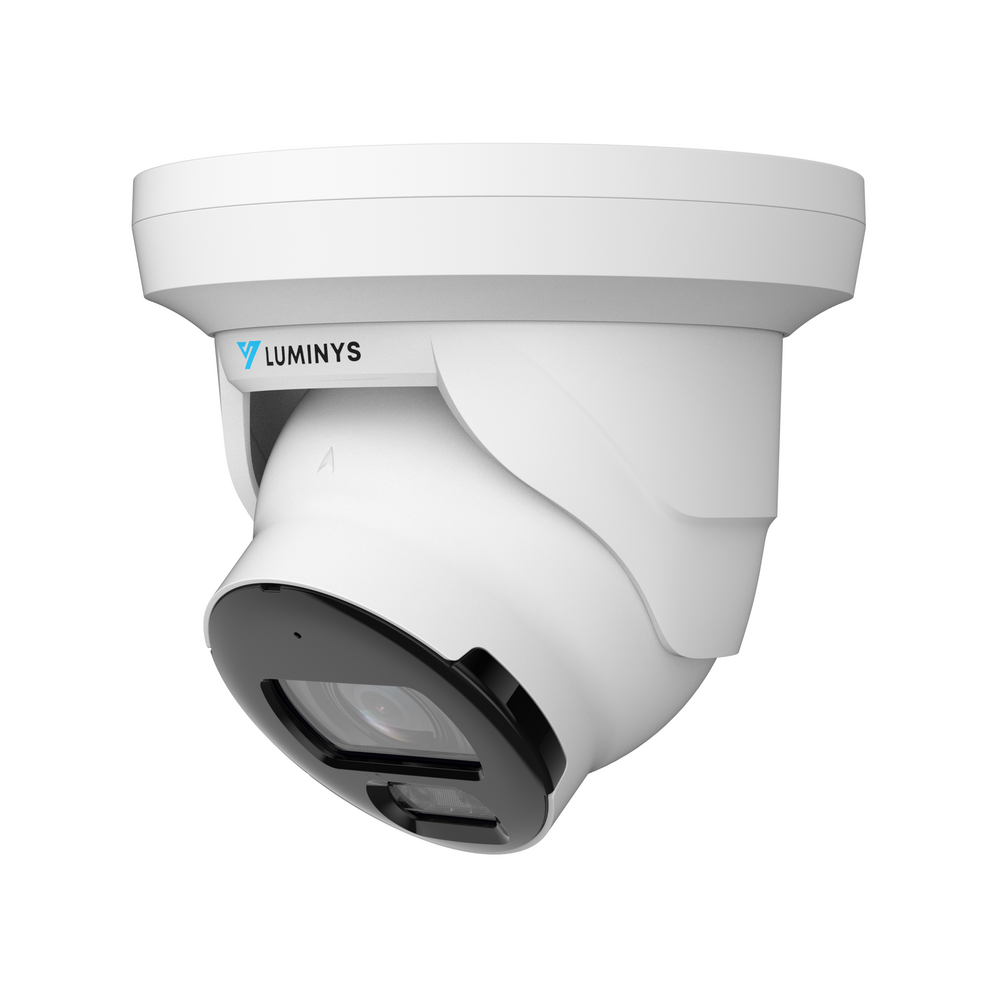
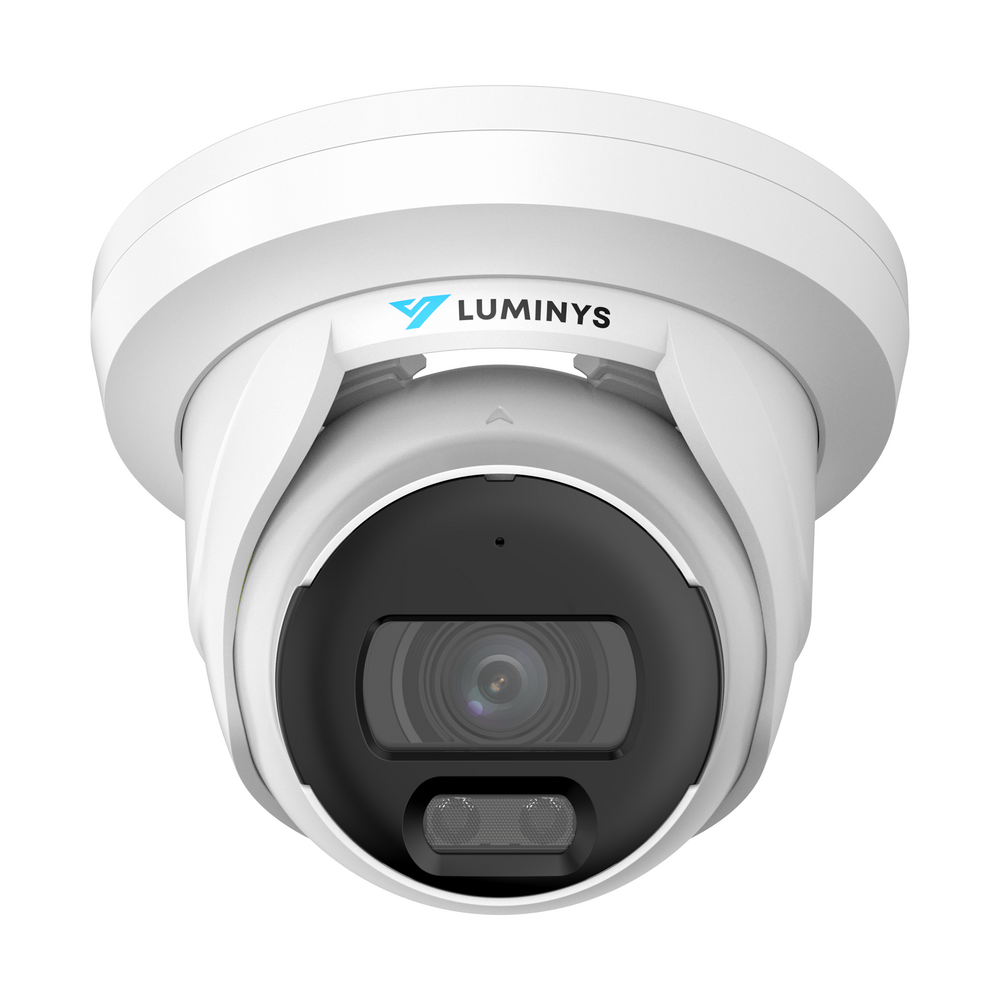
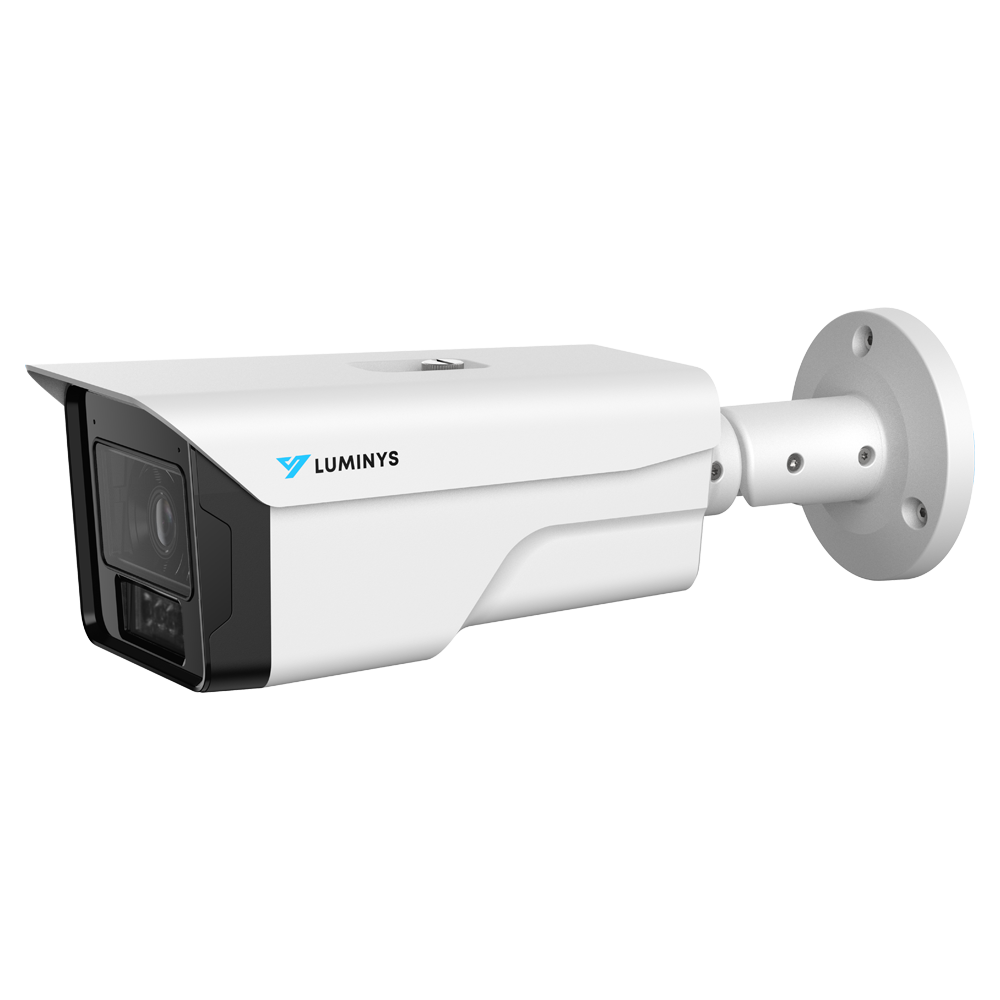
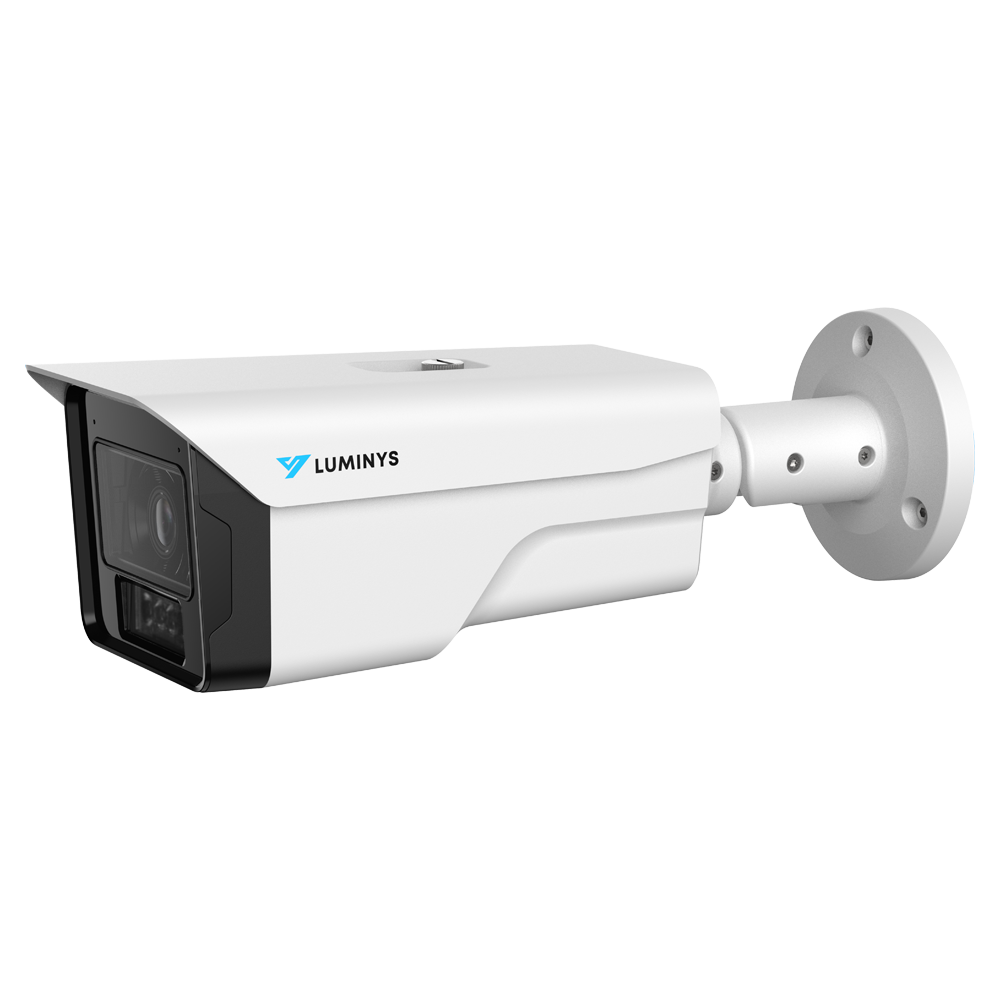
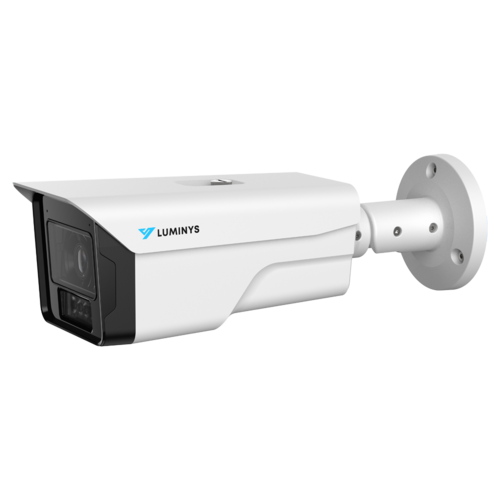
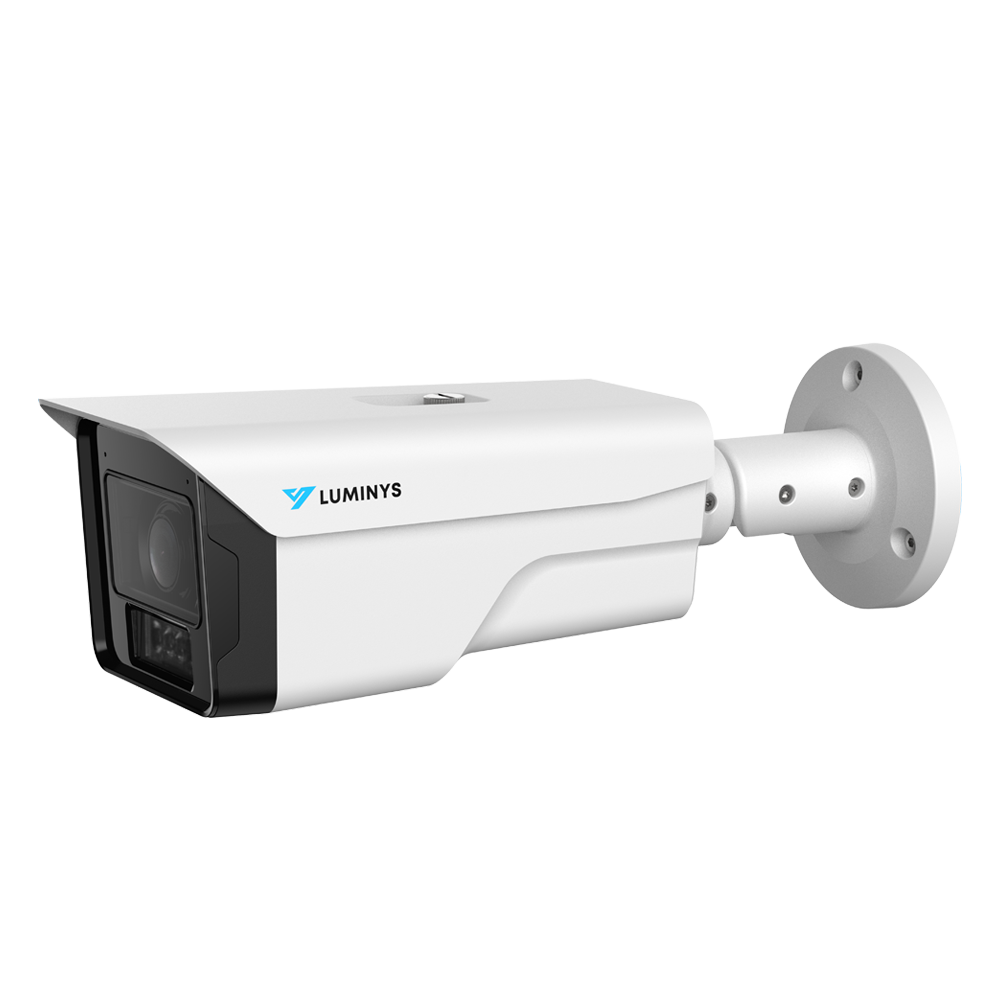
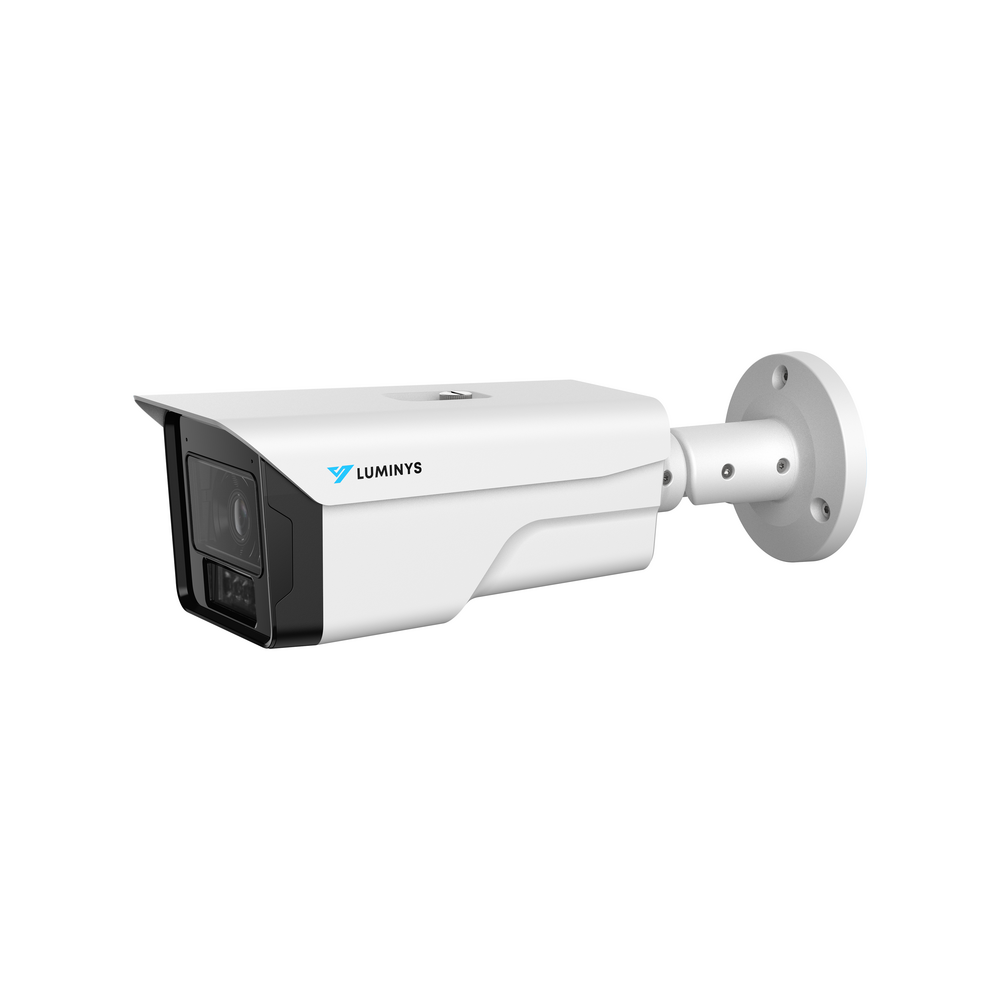
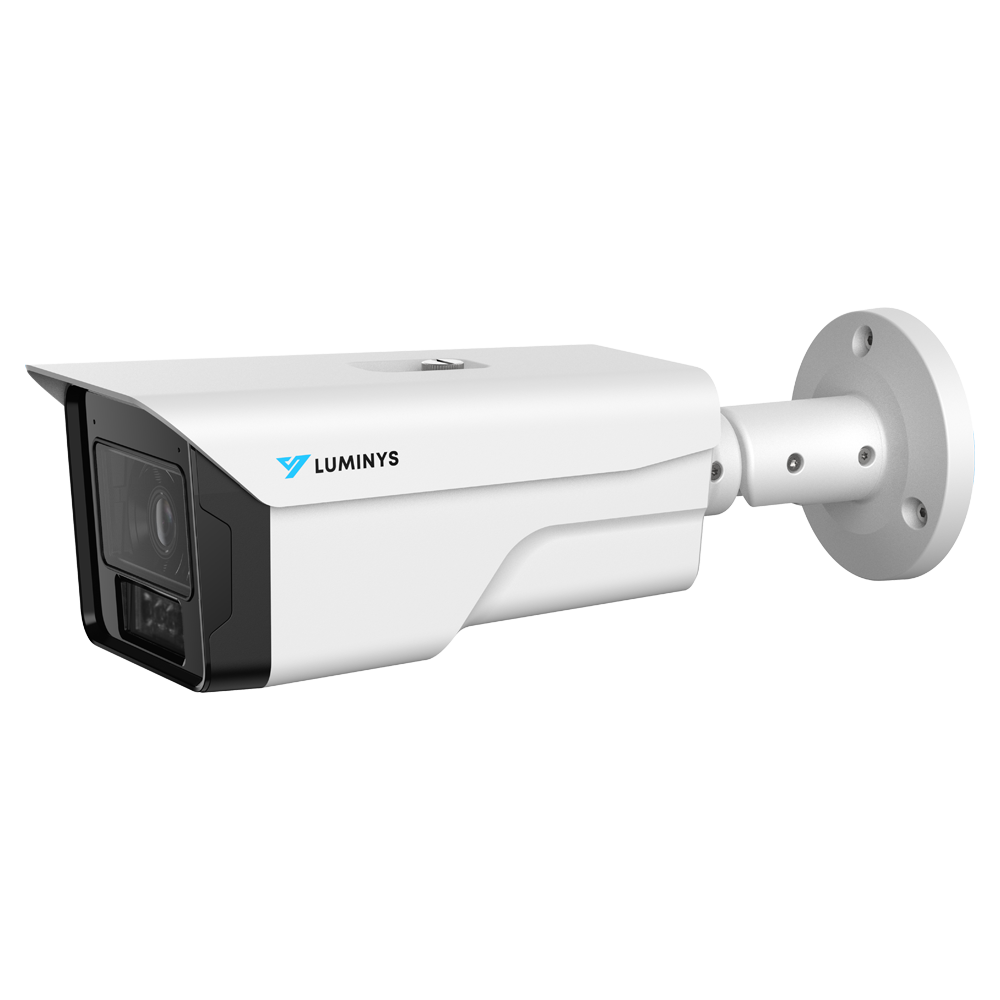
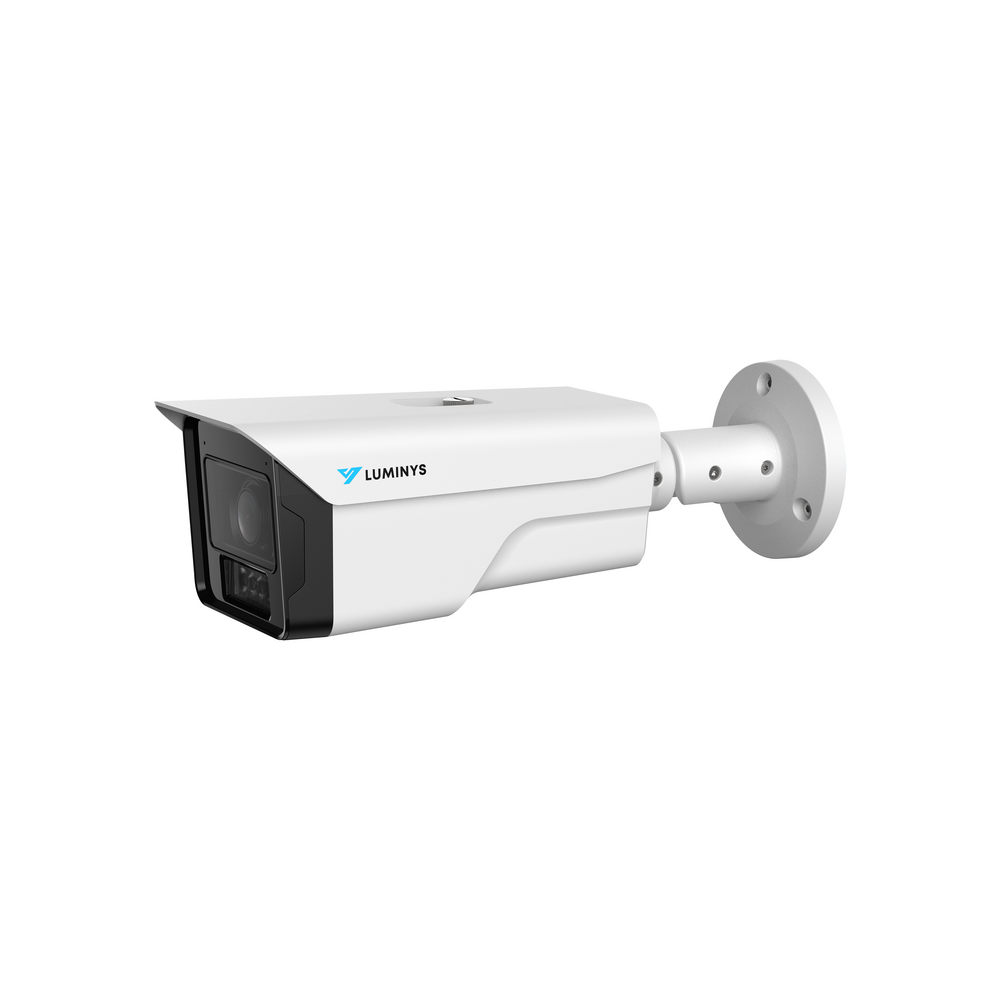
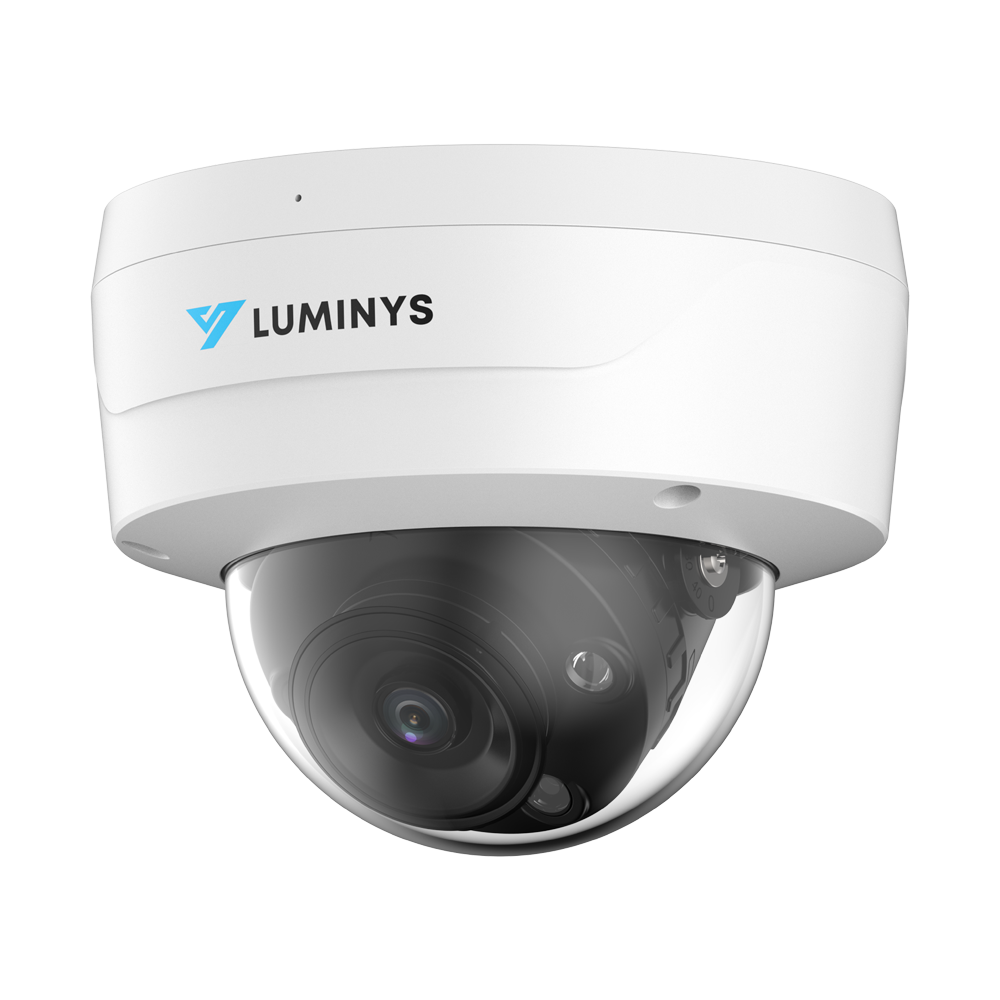
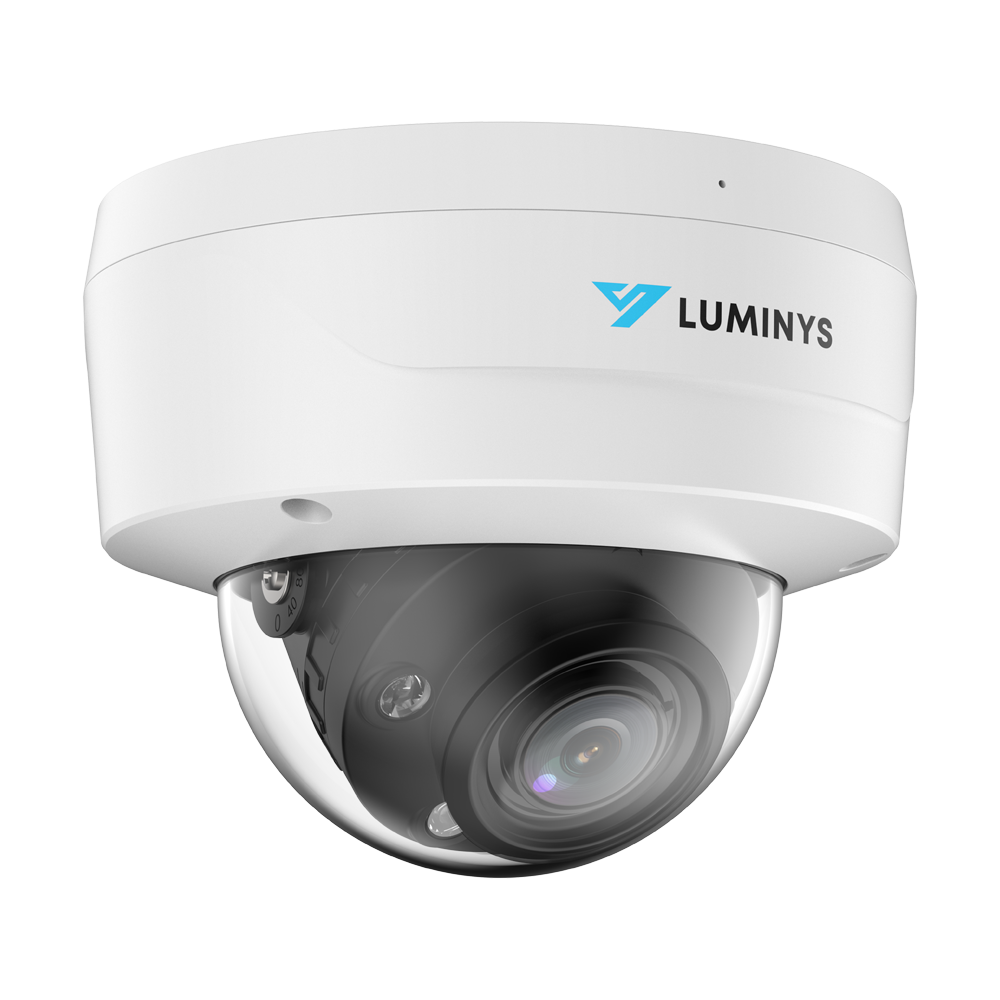
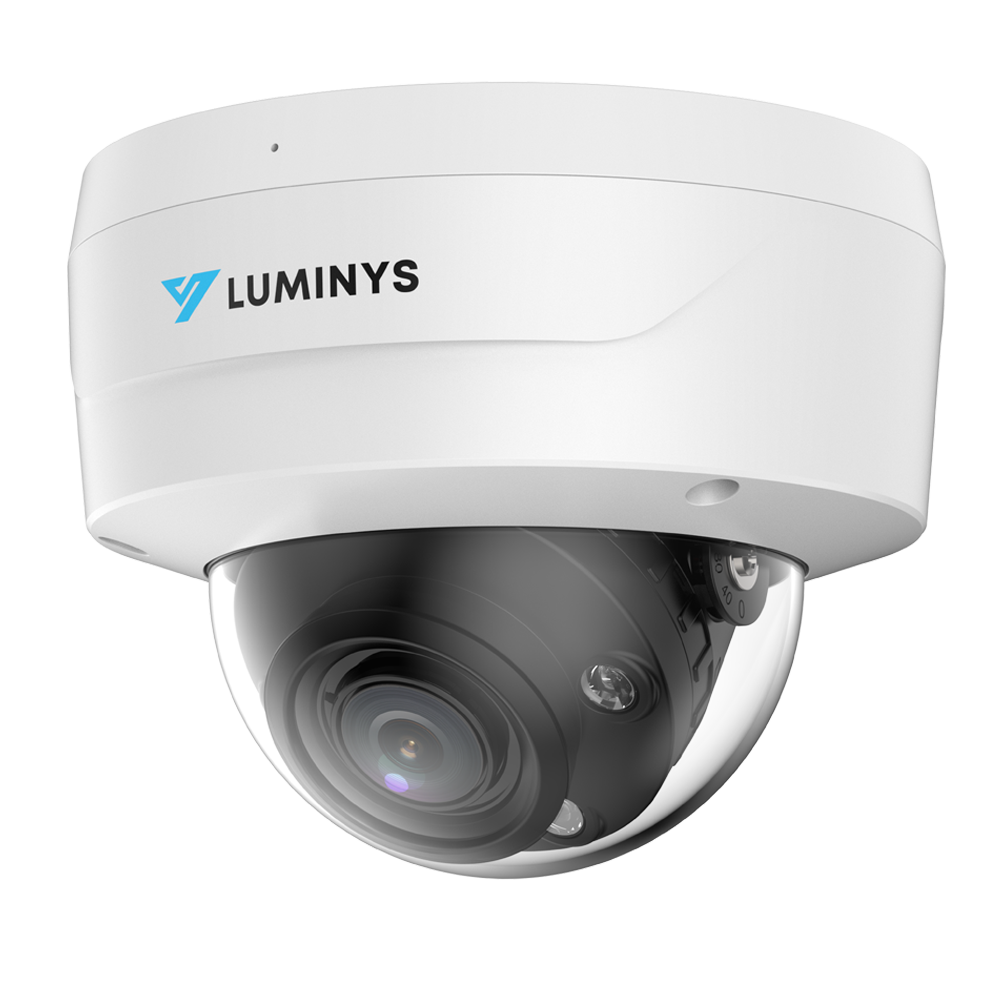
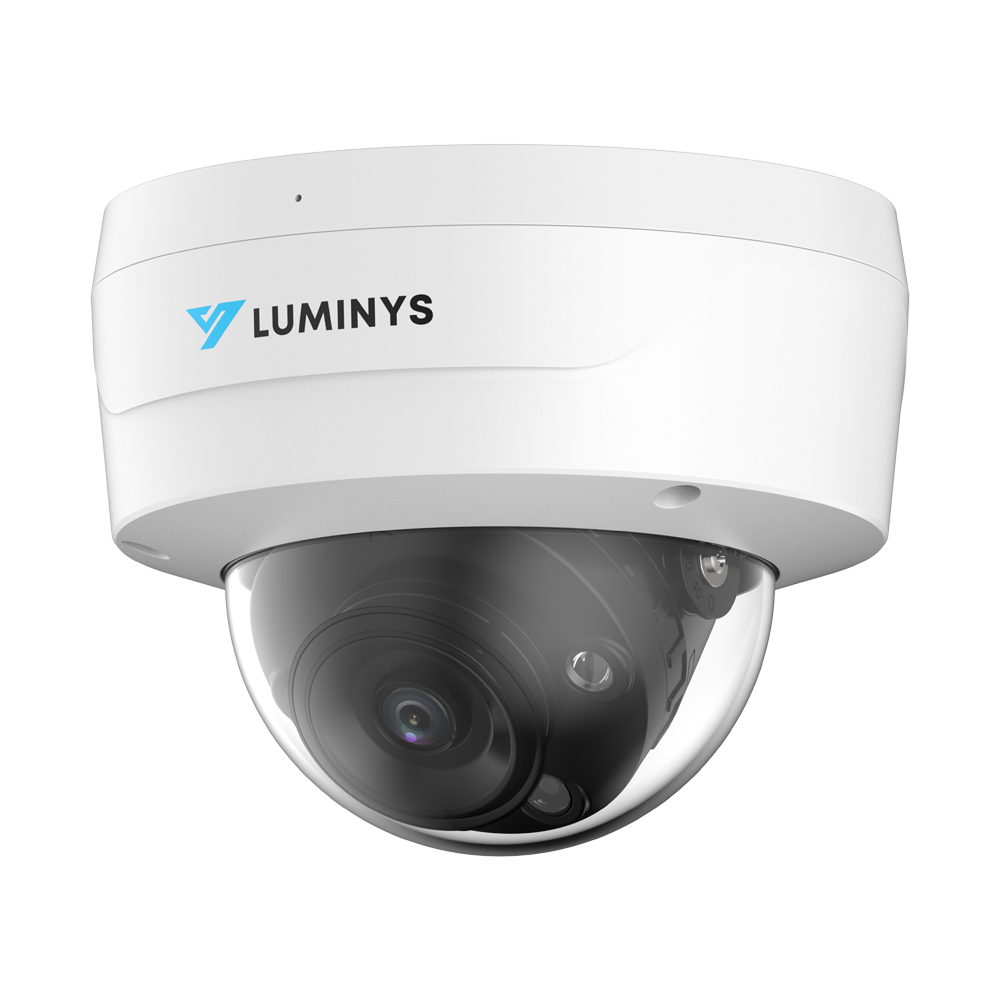
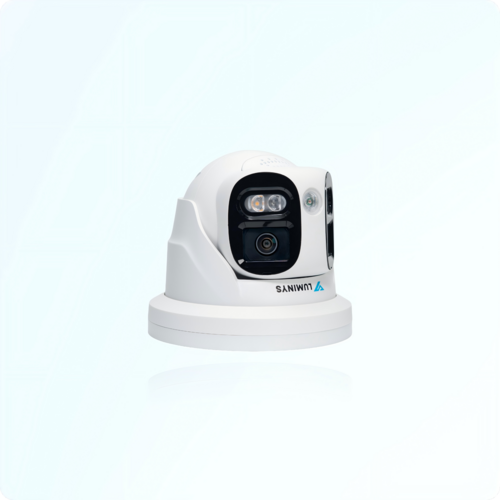
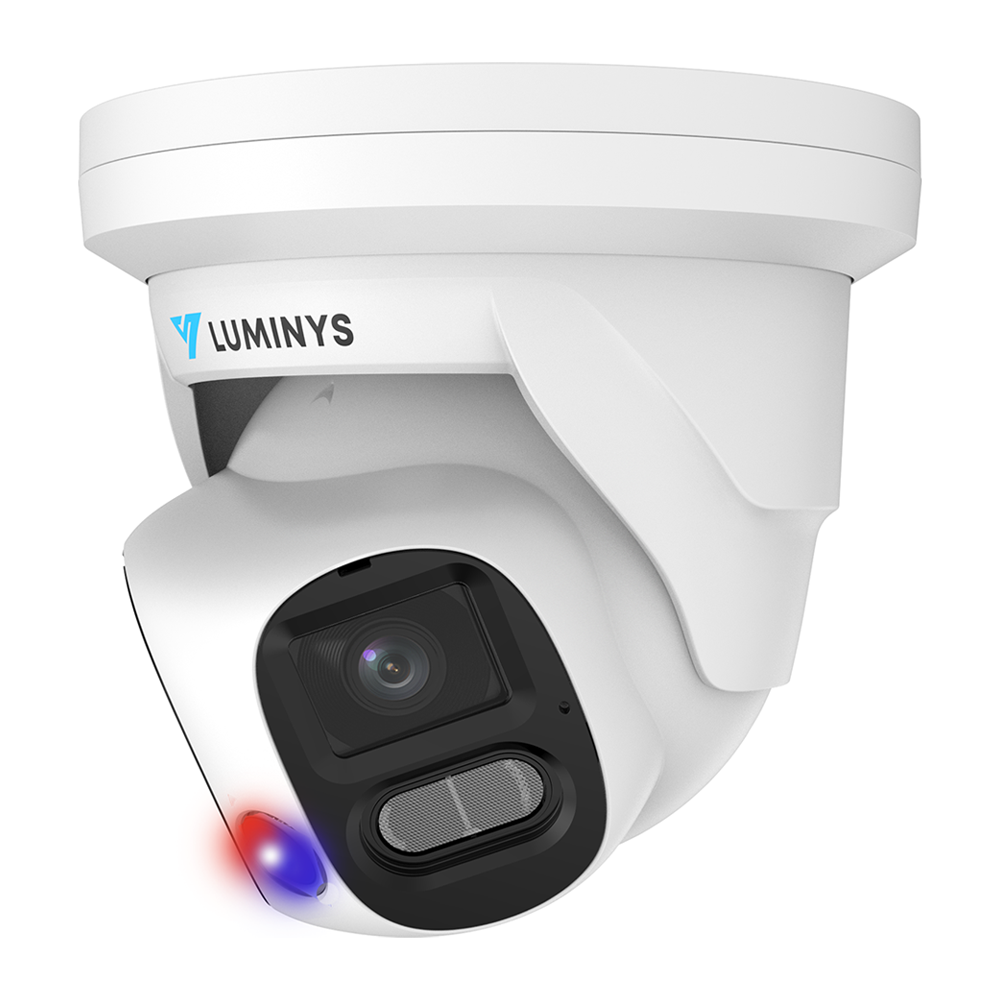
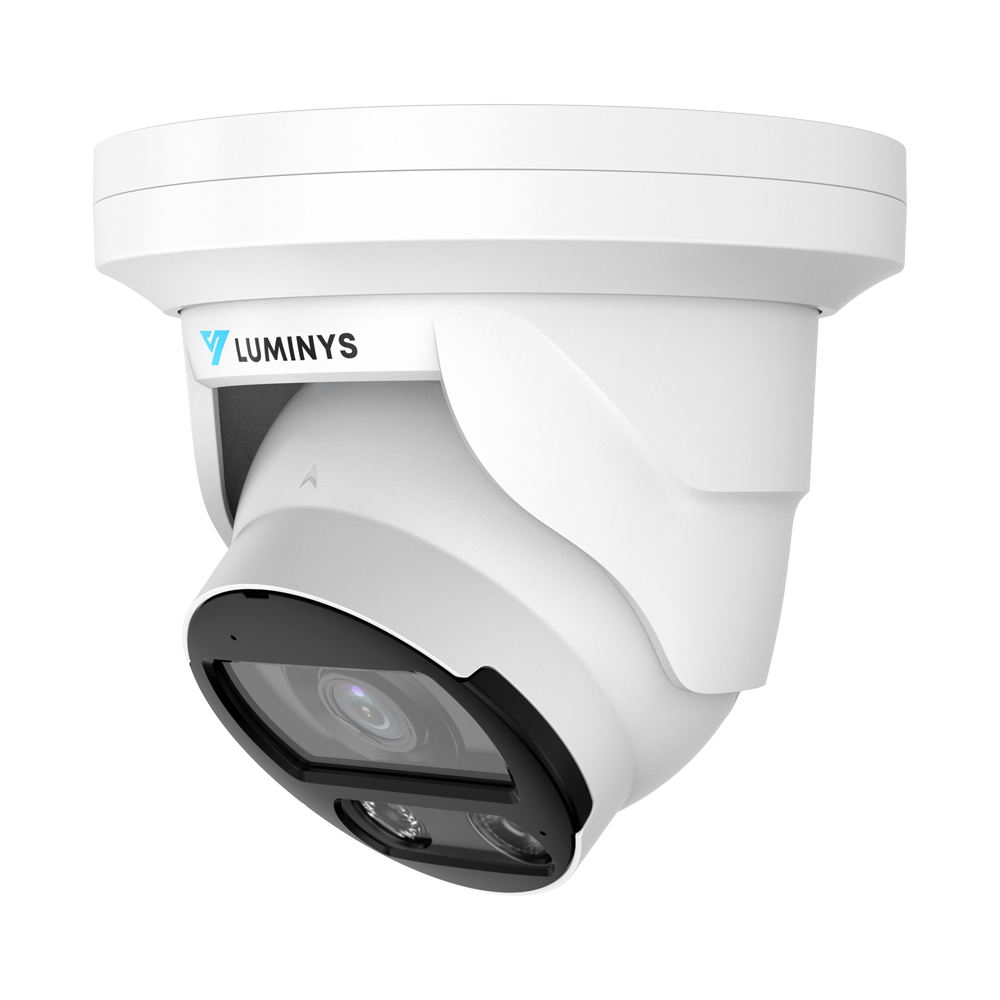
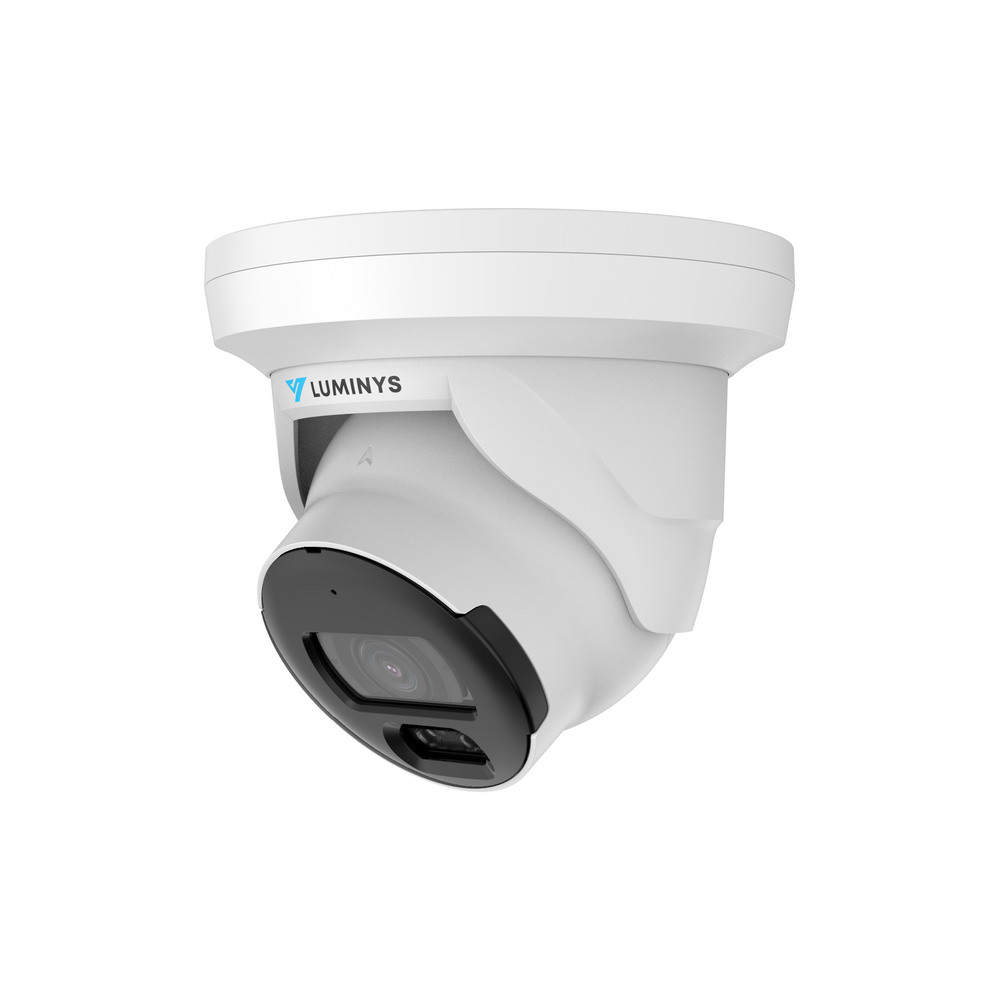
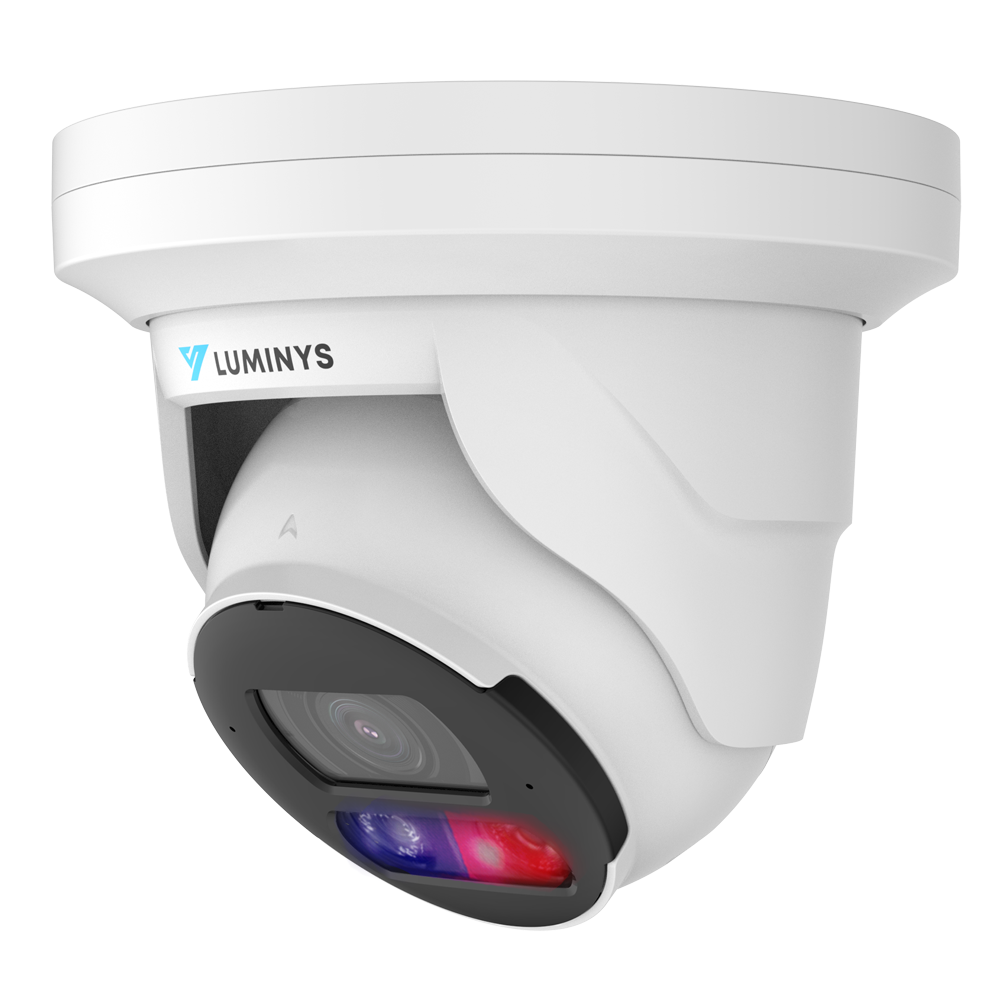
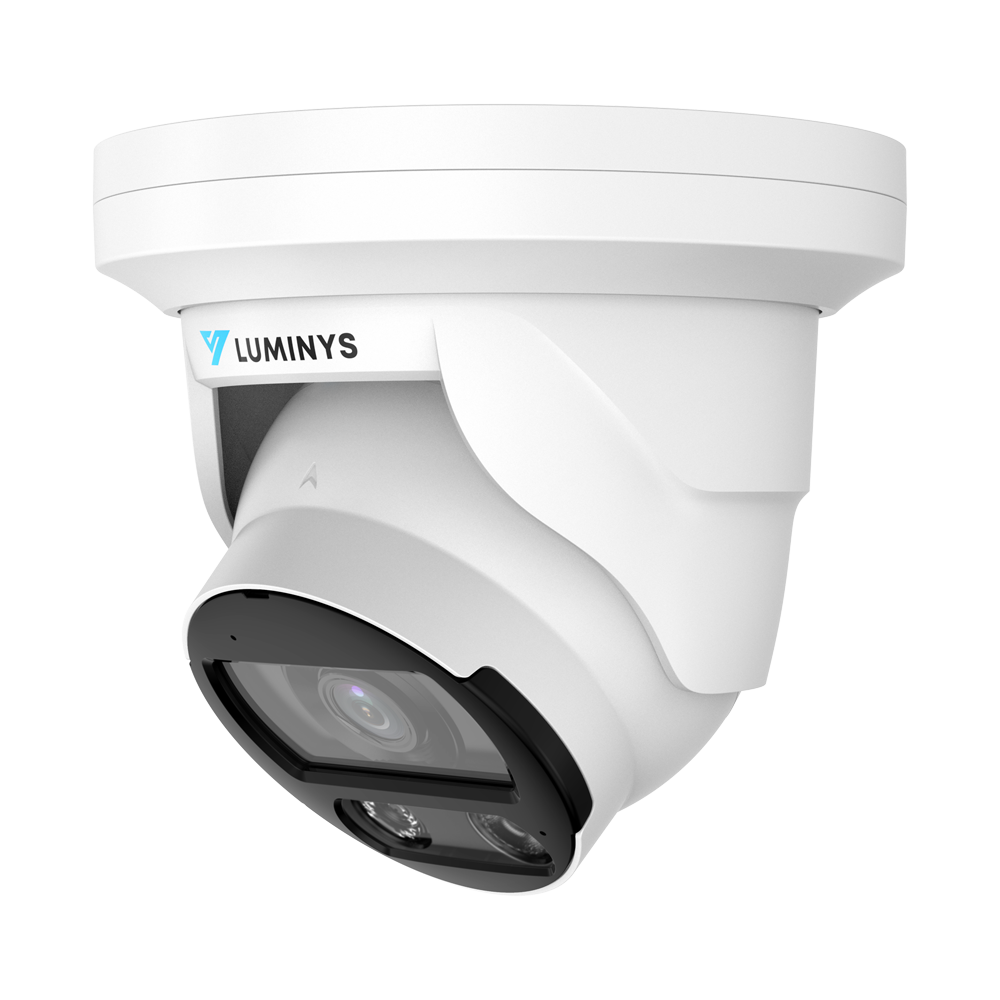
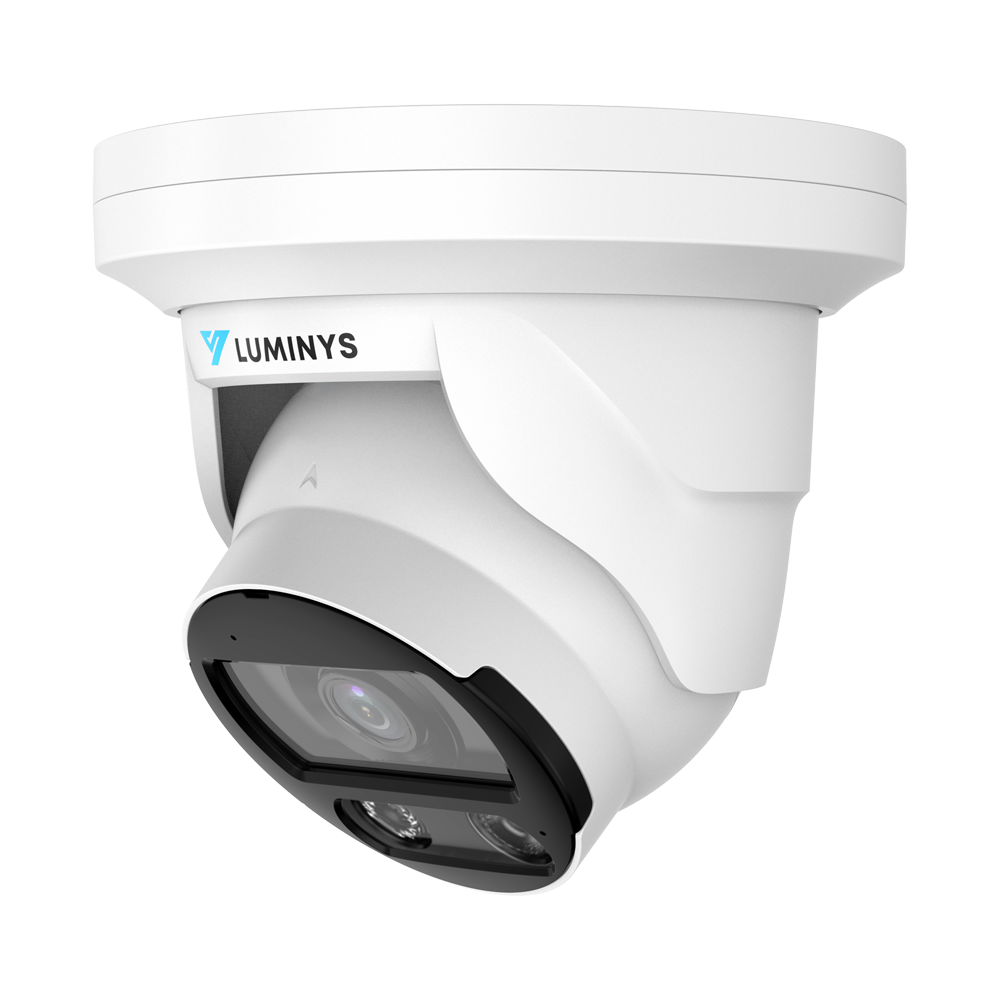
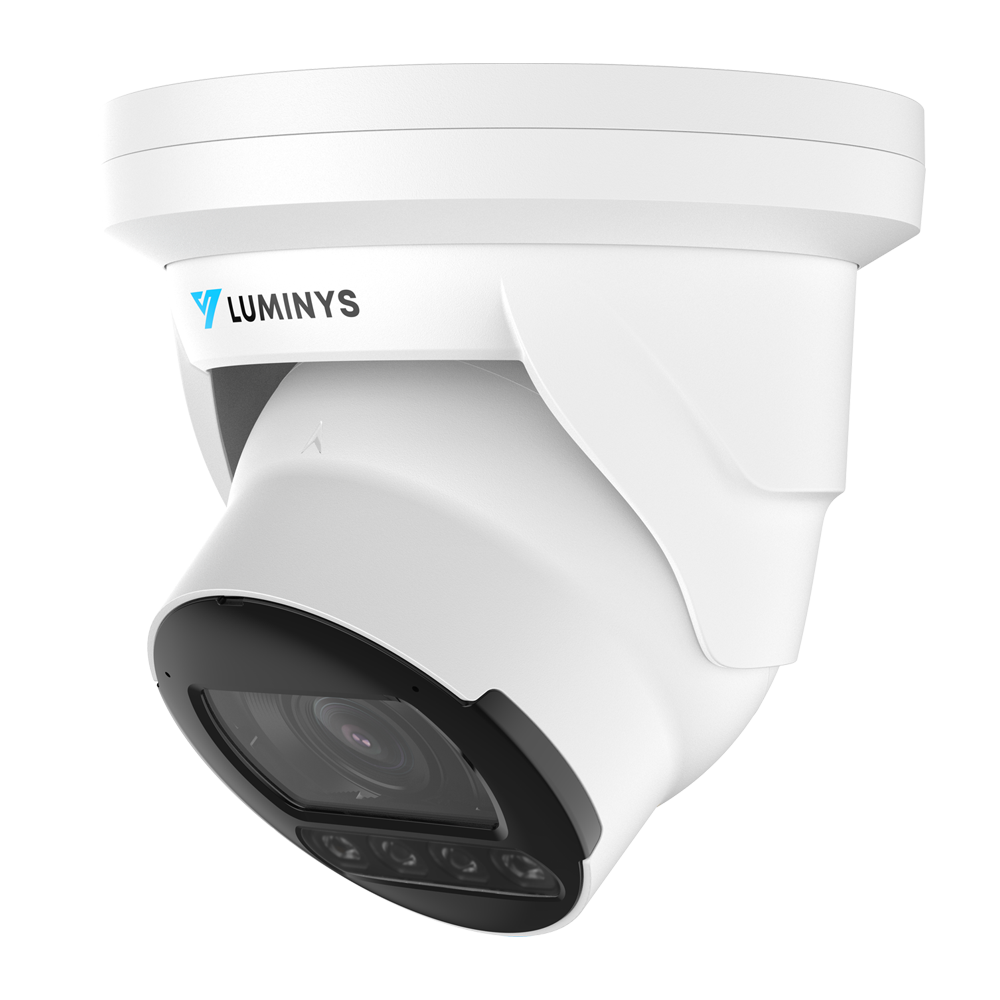
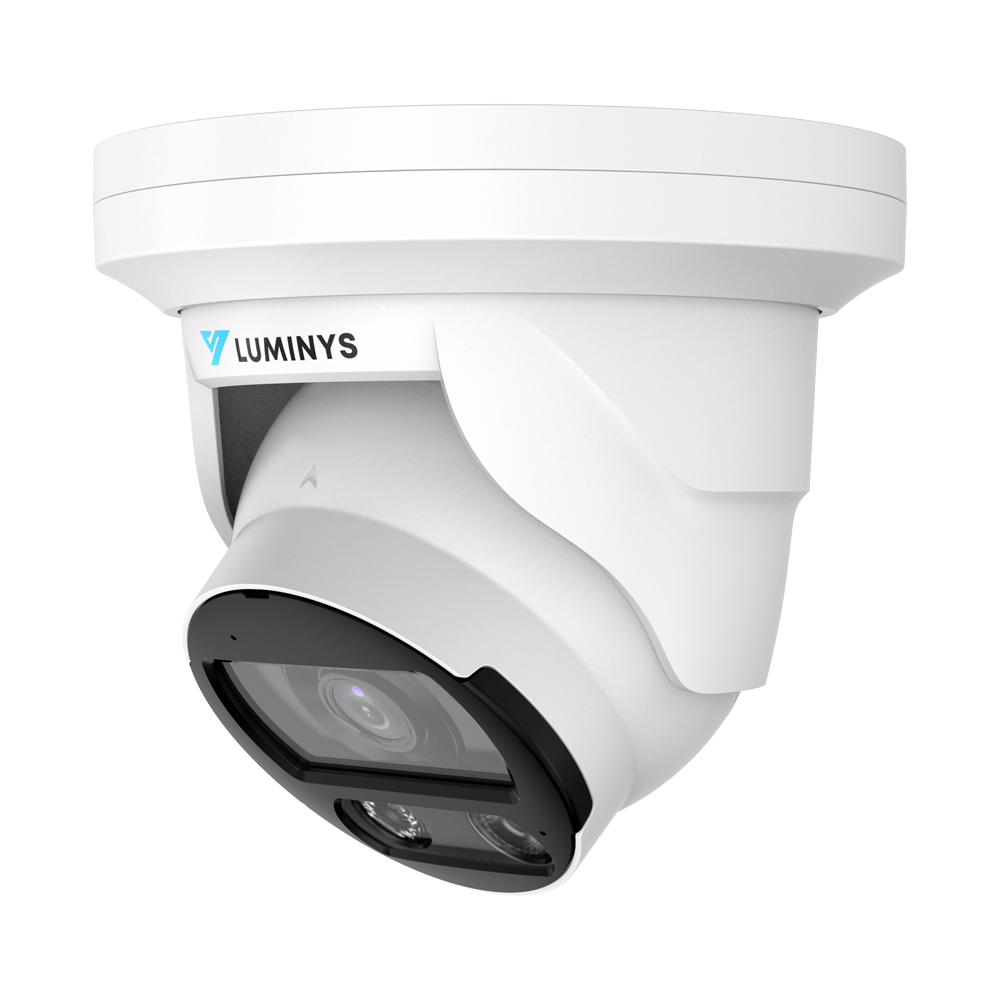
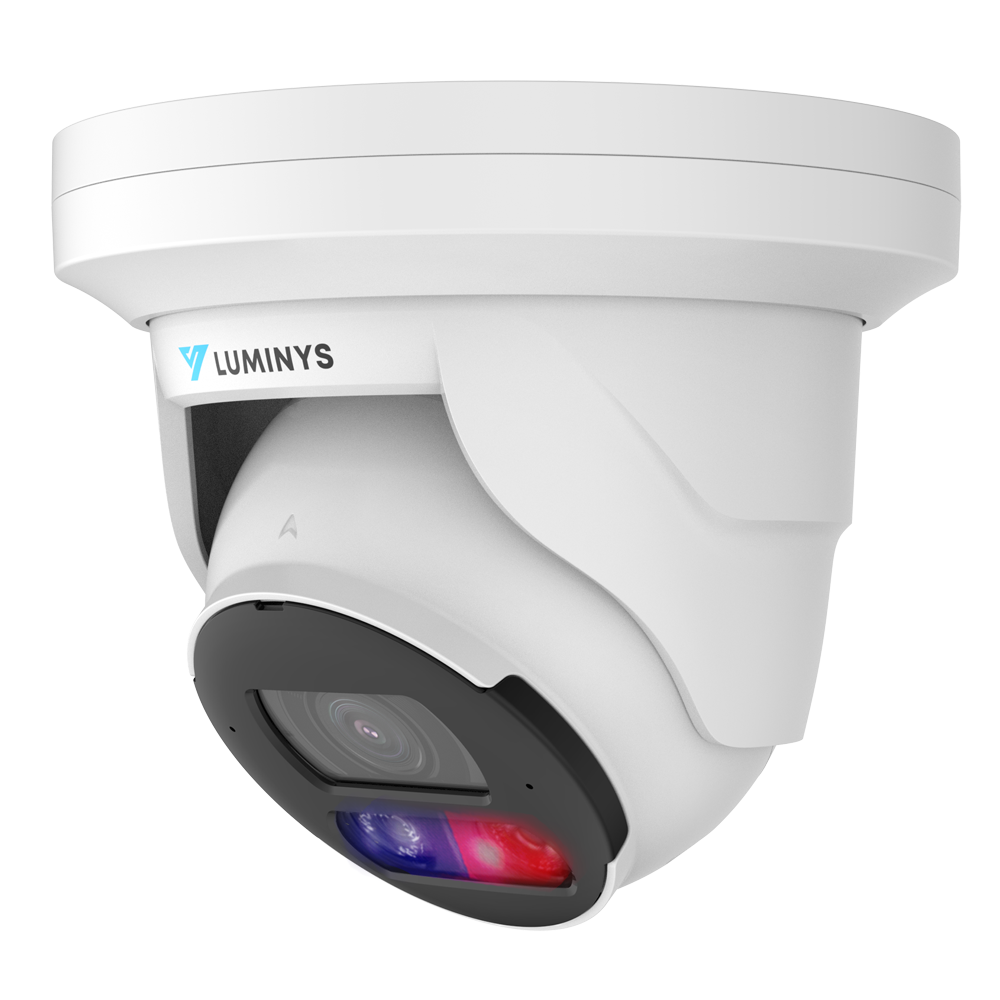
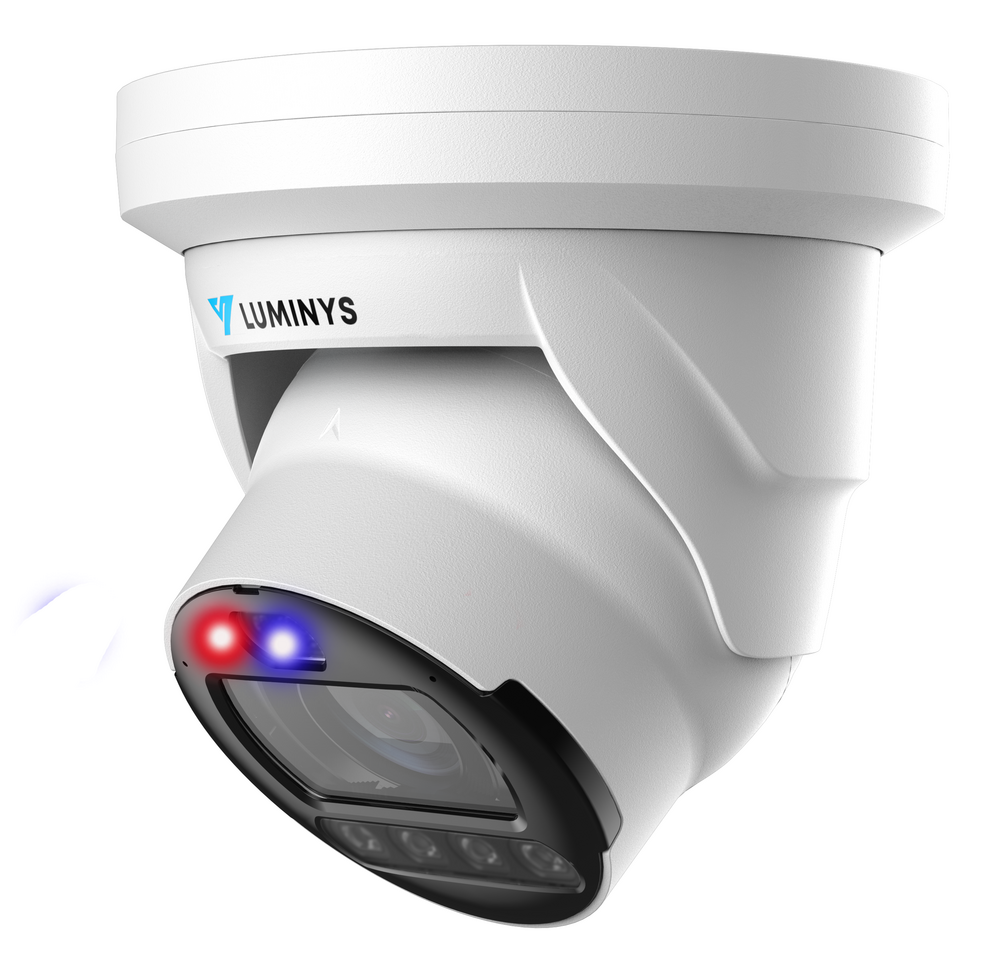
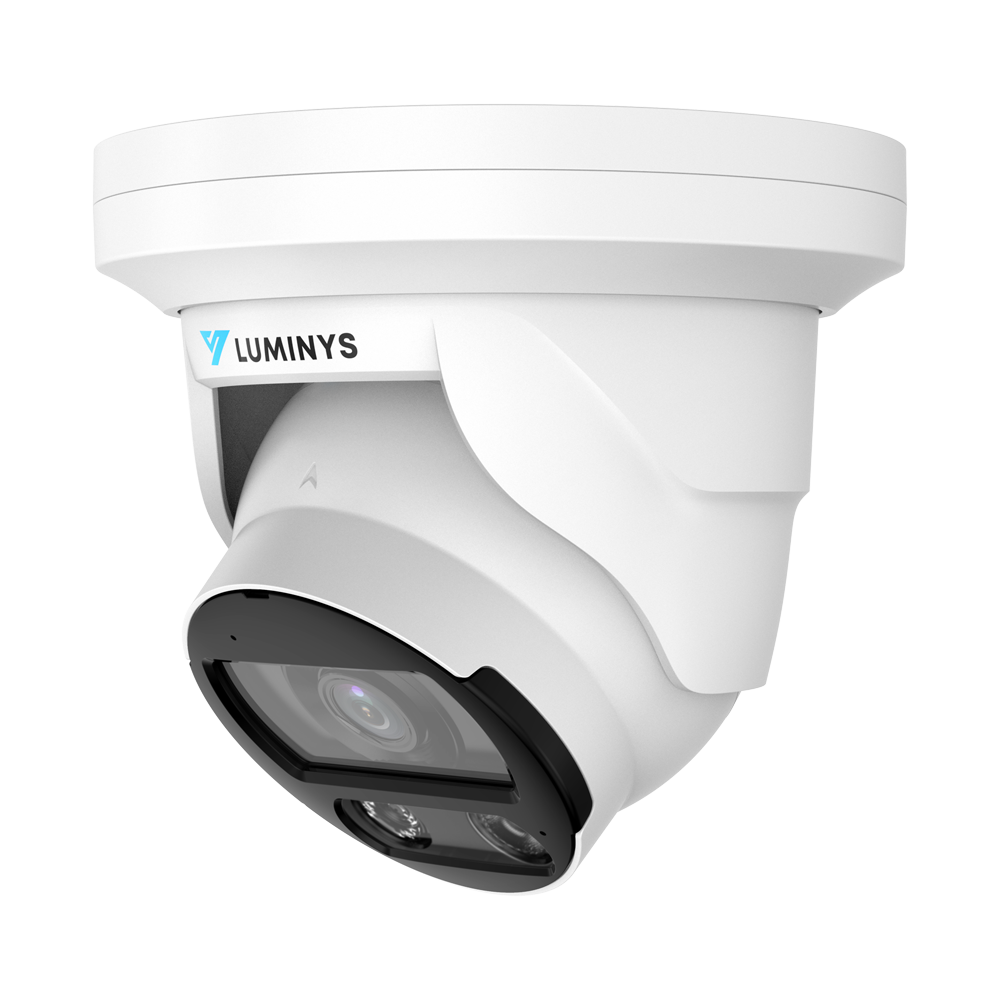
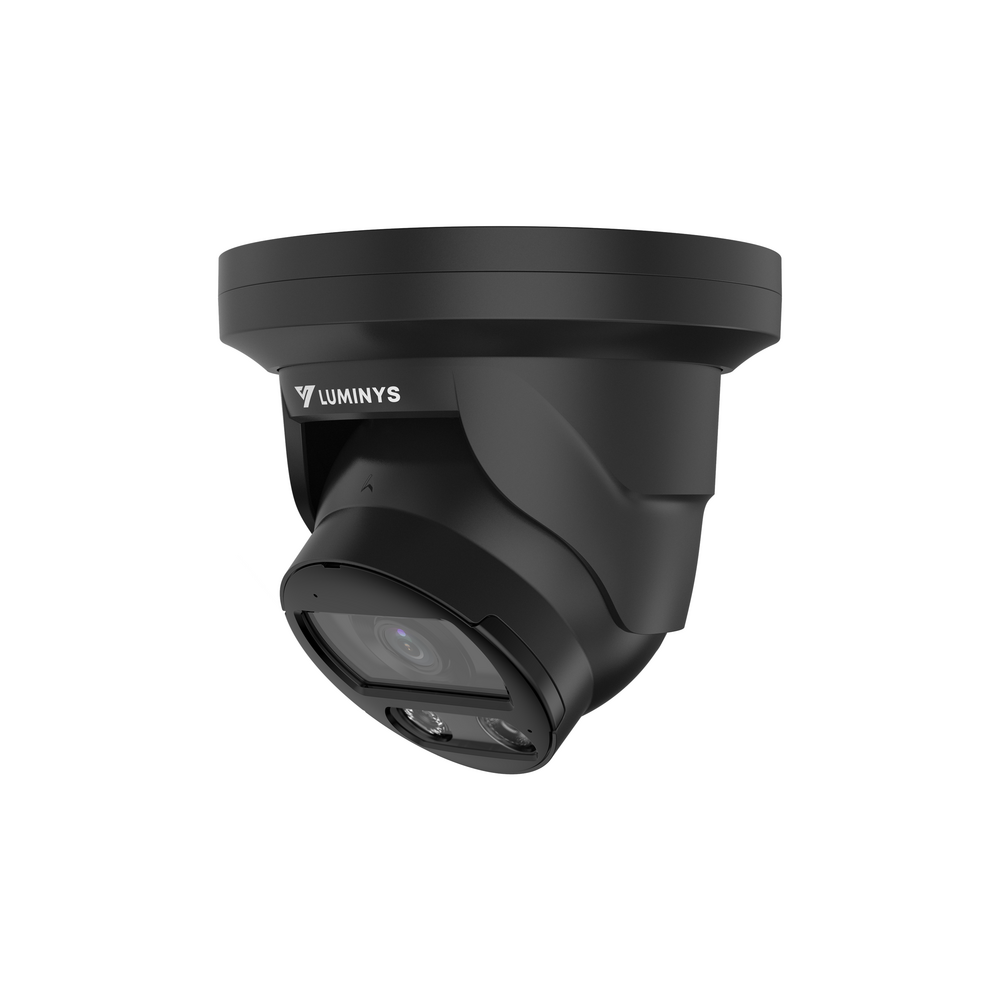
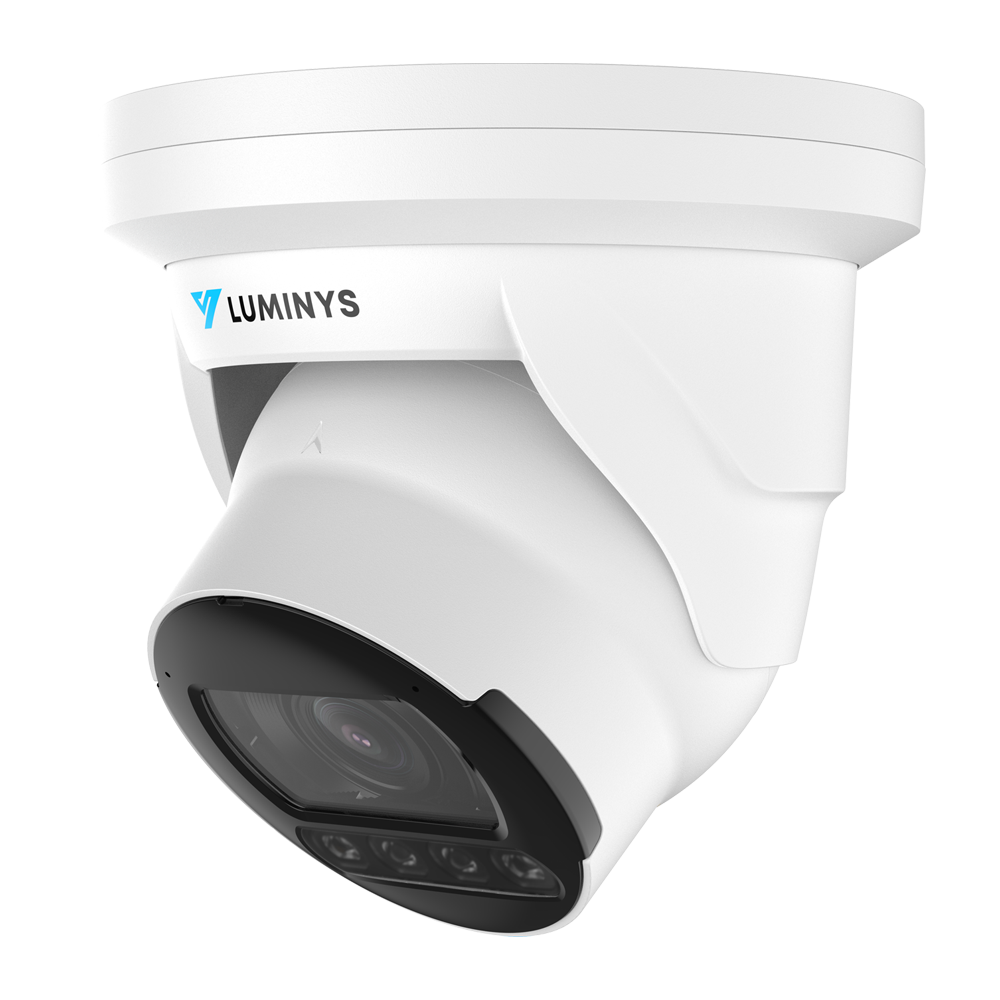
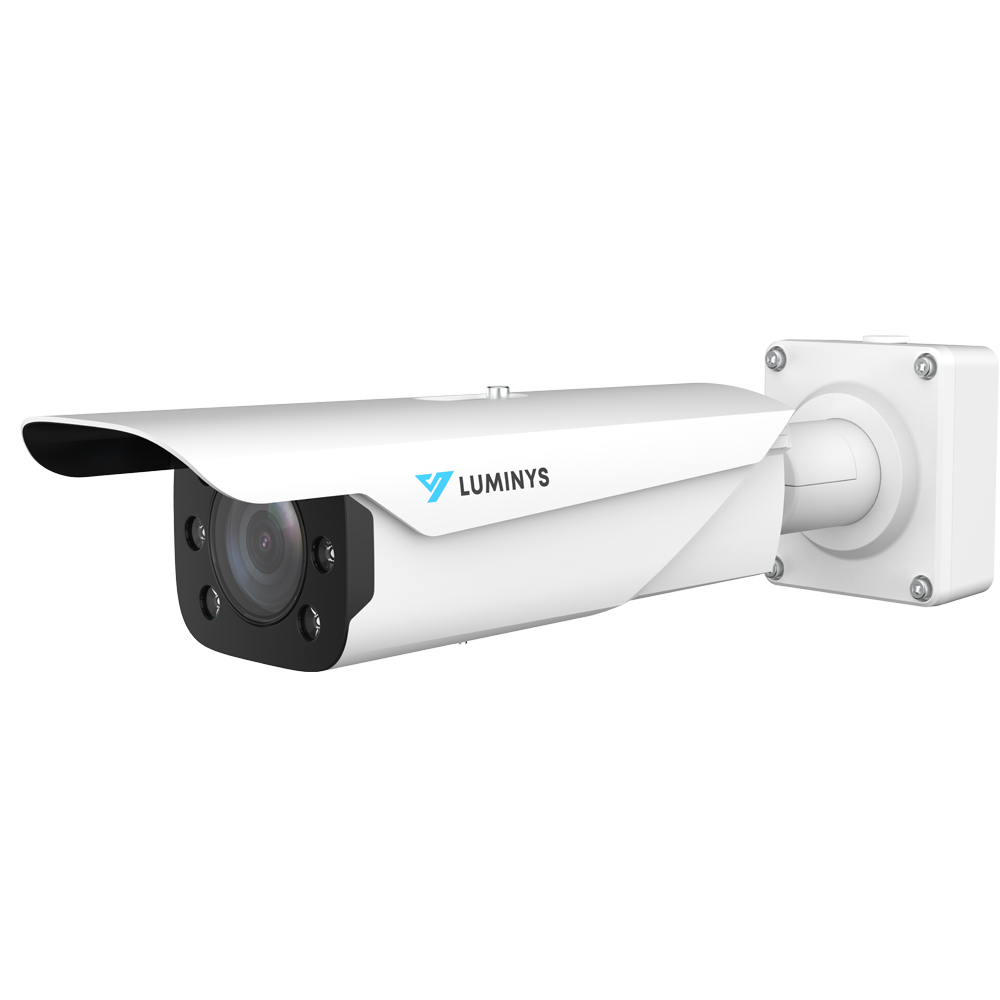
Turret cameras are a practical starting point for many homes because they are compact and straightforward to aim. Bullets make the viewing direction more obvious and may suit longer exterior views. Domes and wedges can provide a lower-profile finished appearance. Resolution, focal length, low-light behavior, weather rating, mounting height, and the target distance all matter more than a single headline specification.
- Use fixed lenses where the mounting point and scene are predictable.
- Use varifocal models where the installer needs to tighten the view during setup.
- Use visible-light or full-color modes only where added light suits the property and neighbors.
- Select the compatible junction box or mount before the cable is terminated.
Size the NVR and cable package
Choose an NVR with one channel per camera and realistic room for future views. A four-camera plan may still justify an eight-channel recorder if a garage, side yard, or detached building will be added later. Storage retention is affected by camera count, scene activity, recording mode, resolution, frame rate, and compression settings.
The Plan a System tool lets you select the exact camera model for each location and record a cable length for every camera. Elite can cut, terminate, test, label, and package professional Cat-6 lines for the project. Custom cable is made to the customer’s measurements and cannot be returned, so measure the actual route and include service allowance.
Install it yourself with professional setup available
Customers can purchase individual components or prepare a preliminary system plan for configuration and pricing confirmation. After the physical installation is complete and the recorder is online, optional remote programming is available for $100. A separate $100 live Zoom training session, typically 30 to 60 minutes, can cover live view, playback, exporting, and normal system use.
Remote service does not replace safe physical installation, code compliance, network access, or an on-site display when required. The customer remains responsible for mounting, cabling, power, internet access, and granting authorized remote access for the scheduled session.
A practical home-system starting checklist
- A camera schedule that names every view and evidence goal.
- Camera models selected by scene, distance, lighting, and mounting style.
- An NVR with enough channels for installed and reasonably expected cameras.
- Storage selected for a target retention period, then verified after installation.
- Measured, labeled cable runs and the correct mounting accessories.
- Documented user access, recording, time, alerts, and recovery information.
Frequently asked questions
Will a wired home security camera system record if the internet is down?
An on-site NVR can normally continue local recording while internet service is unavailable, provided the recorder, cameras, local network, power, and recording configuration remain operational. Remote viewing and cloud-dependent features may be unavailable until internet service returns.
Does a home NVR camera system require a monthly fee?
Local NVR recording does not inherently require a cloud-storage subscription. Optional cloud services, extended features, or third-party monitoring may have separate fees. Review the selected product and service terms before purchase.
How many cameras does a typical home need?
Many homes begin with four to eight views, but the correct count depends on entrances, driveways, garages, yards, detached structures, and the detail required at each location. Count evidence goals rather than using square footage alone.
Can I install the cameras and have Elite program the system?
Yes. Complete the physical installation and get the supported recorder online, then add the $100 remote programming service. A separate $100 live training session is also available.